
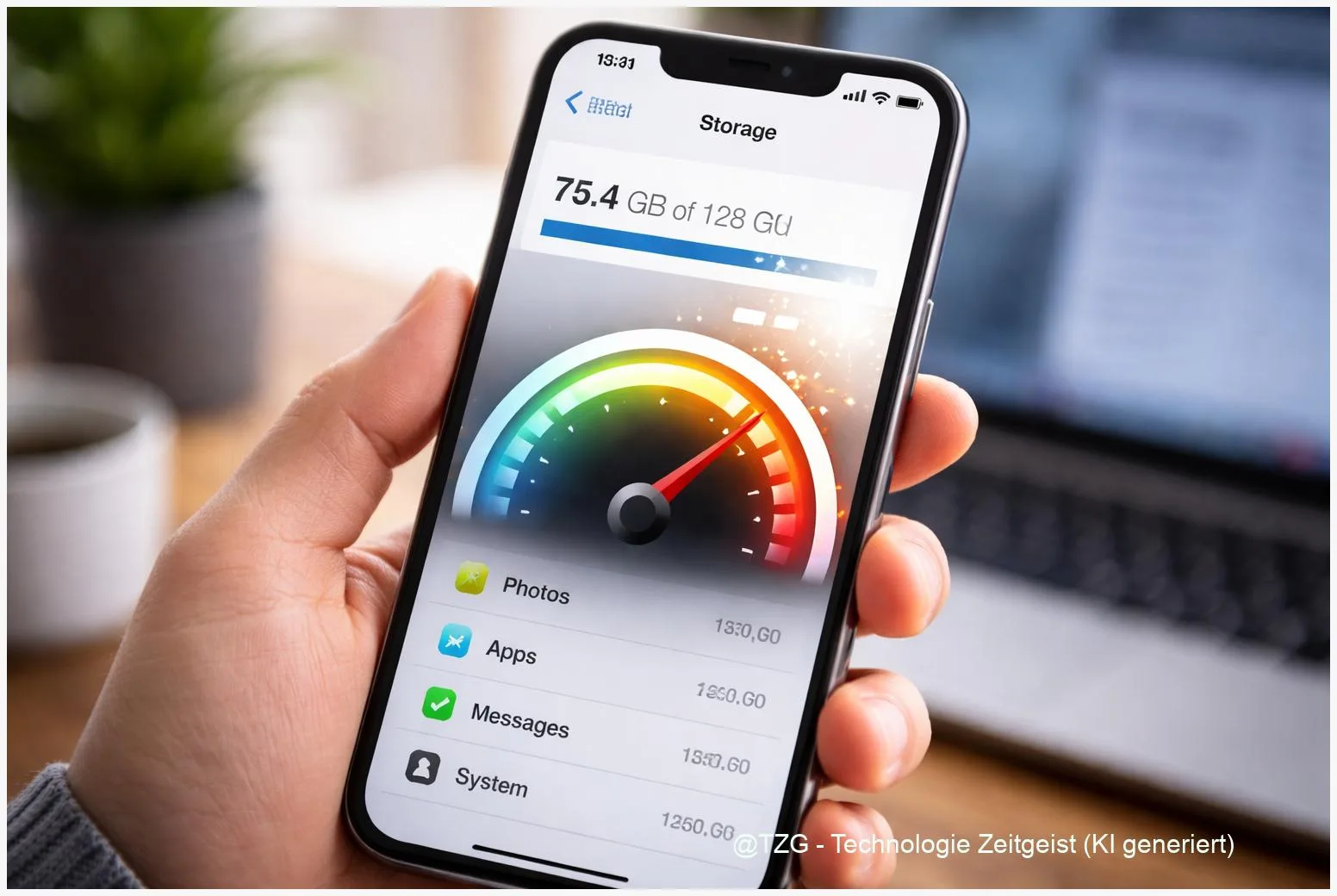
A phone that stutters, freezes, or takes forever to open apps is usually not “broken” — it is overloaded. This guide shows how to speed up iPhone and Android phones with fixes that are safe, realistic, and easy to undo. You will free space, reduce background work, adjust a few settings, and check the two most common hidden causes: problematic apps and battery health.
Introduction
A slow phone shows up in the worst moments: the camera takes too long to open, the keyboard lags, apps reload when you switch, or scrolling feels choppy. Many people notice it after an update, after months of installing apps, or when storage silently fills up with photos, chats, and downloads.
The good news: on modern iPhones and Android phones, most performance problems come from everyday causes you can fix in minutes. The goal is not “maximum speed at any cost”, but a phone that feels responsive again without losing important data.
Below you will first learn what typically slows phones down, then prepare safely (backup and storage check), and finally follow a clear checklist. If one step does not help, you can move on calmly to the next.
Basics and Overview: how to speed up iPhone and Android safely
Performance issues usually come from three areas: storage, background activity, and hardware limits. Storage matters because phones need free space for temporary files, app updates, and caching. Google explicitly warns that very low free storage can cause slowdowns on Android devices. Apple also notes that low storage can affect iPhone performance.
Background activity means apps doing work when you are not actively using them: syncing, refreshing content, or running services. On iPhone, a common lever is Background App Refresh, which lets apps update content in the background. On Android, background behavior varies by manufacturer, but the principle is the same: fewer unnecessary background tasks usually feels faster and saves battery.
Most “slow phone” problems are not one big issue. They are several small ones stacking up: low storage, too many background tasks, and one or two misbehaving apps.
Finally, hardware limits can matter. A worn battery may reduce peak performance on some devices to avoid unexpected shutdowns (Apple explains this as performance management tied to battery condition). That is not something you fix with a “cleaner app” — but you can check it and make an informed decision.
| Option or Variant | Description | Suitable for |
|---|---|---|
| Quick cleanup + restart | Free up storage, update apps, then reboot to clear temporary slowdowns. | Most phones that only feel “a bit laggy”. |
| Problem-app check | Use Safe Mode (Android) or app-by-app checks (iPhone) to find a culprit. | Phones that became slow suddenly, often after installing an app. |
Preparation and Prerequisites
Before changing settings, make two quick checks: how much storage is free, and whether you have a recent backup. These steps are fast, reduce risk, and make troubleshooting simpler.
Use this short prep list:
- Check free storage: On iPhone, open Settings > General > iPhone Storage. On Android, open Settings > Storage (the wording can vary). If you are close to full, start with cleanup first.
- Update the system: Install the latest iOS/Android update offered for your device. Updates often include bug fixes that can reduce lag.
- Update apps: On iPhone, use the App Store. On Android, use Google Play. Old app versions can misbehave after OS updates.
- Backup once: iPhone via iCloud or a computer backup; Android via Google backup (and photos via Google Photos or another service). This is essential if you later decide to reset the device.
- Know your goal: If the phone is slow mainly in one app (for example, a social app), focus on that app first. If everything is slow, follow the full checklist.
If you want more detailed storage cleanup for iPhone, TechZeitGeist has a practical guide on freeing up iPhone storage by offloading photos and cleaning apps.
Step-by-Step Instruction
Work through the steps in order. After each step, use your phone for two to three minutes (open the camera, scroll a long page, switch between two apps). That makes it easier to tell what helped.
- Restart the phone (the simplest real fix)
A reboot clears temporary glitches and restarts background services. Google recommends restarting as a first step for slow Android devices. On iPhone, restart normally (the button combo depends on the model). On Android, use Restart from the power menu or hold the power button if needed. - Free up storage space
Delete or offload what you do not need: large videos, downloads, and unused apps. On iPhone, Settings > General > iPhone Storage shows recommendations such as “Offload Unused Apps” (removes the app but keeps its data). On Android, use Settings > Storage and remove large files or unused apps; Google also provides guidance for freeing space. - Reduce background work
iPhone: Settings > General > Background App Refresh, then set it to Off (or restrict it to Wi‑Fi). Android: look for Battery settings such as “Battery optimization” or “Adaptive Battery” and limit background activity for apps you rarely use. On many Samsung devices, “Battery and device care” offers a one-tap optimization. - Update apps and remove the obvious troublemakers
If your phone became slow after installing one specific app, uninstall it and test again. Also check whether the slow app has an update available. If you need it, reinstall later. - Make the interface feel faster (optional)
If scrolling and app switching feels sluggish, reducing animations can help the phone feel more responsive. On iPhone, try Settings > Accessibility > Motion > Reduce Motion. On Android, many devices offer “Remove animations” in Accessibility; some also allow animation changes in Developer options (only adjust animation scales if you know how to revert it). - Check battery condition (important on older phones)
On iPhone, check Settings > Battery > Battery Health (Apple explains how battery aging can affect peak performance). If the battery is significantly worn, a replacement can do more than any software tweak. - If nothing helps: plan a reset as the last step
A factory reset can fix deep software issues, but only after a verified backup. Treat it as a final option, not step one.
If the steps work, you should notice faster app launches, less stutter while typing, and fewer moments where the phone freezes for a second before reacting.
Tips, Troubleshooting, and Variants
If your phone is still slow, these targeted checks often reveal the reason without guessing.
Android: Use Safe Mode to find a bad app. Google recommends Safe Mode as a way to test whether a third‑party app is the cause. In Safe Mode, downloaded apps are disabled temporarily. If performance becomes normal, uninstall recently installed apps one by one after you reboot back to normal mode.
iPhone: Stop force‑closing apps as a habit. iOS manages apps in the background. Constantly swiping apps away can make them reload more often. Close an app only if it is frozen or clearly misbehaving.
Storage still fills up immediately? Messaging apps and offline downloads are common culprits. Check each app’s internal storage settings (for example, “Download quality”, “Keep media”, or “Offline videos”). If photos are the issue, consider an “optimize storage” option in your cloud photo service so the phone keeps smaller versions locally.
Samsung and similar Android skins: Use the built-in maintenance tools. Samsung documents Device Care as a place to check storage, memory, and security in one screen, and to run an optimization.
After an OS update: It is normal for the phone to be busier for a while (re-indexing photos, optimizing apps). If it stays slow for days, focus on storage and problem apps first.
For a similar “checklist mindset” on computers, TechZeitGeist also has a step-by-step guide on speeding up a slow Windows 11 PC, which can help you recognize the same patterns (storage, background tasks, updates) across devices.
Conclusion
A slow iPhone or Android phone is usually fixable without special tools. Start with the basics that actually move the needle: restart, free up storage, and reduce unnecessary background activity. If the slowdown is sudden, suspect a problematic app and test with Safe Mode on Android or by uninstalling recent apps. If the device is older, battery health can be the deciding factor for lasting performance.
Once the phone feels responsive again, a simple routine helps: keep some storage free, update apps regularly, and avoid installing “cleaner” apps that promise miracles without clear benefits.
Try the checklist on your phone today and note which step made the biggest difference — then share your result or your best tip with others.

Leave a Reply