
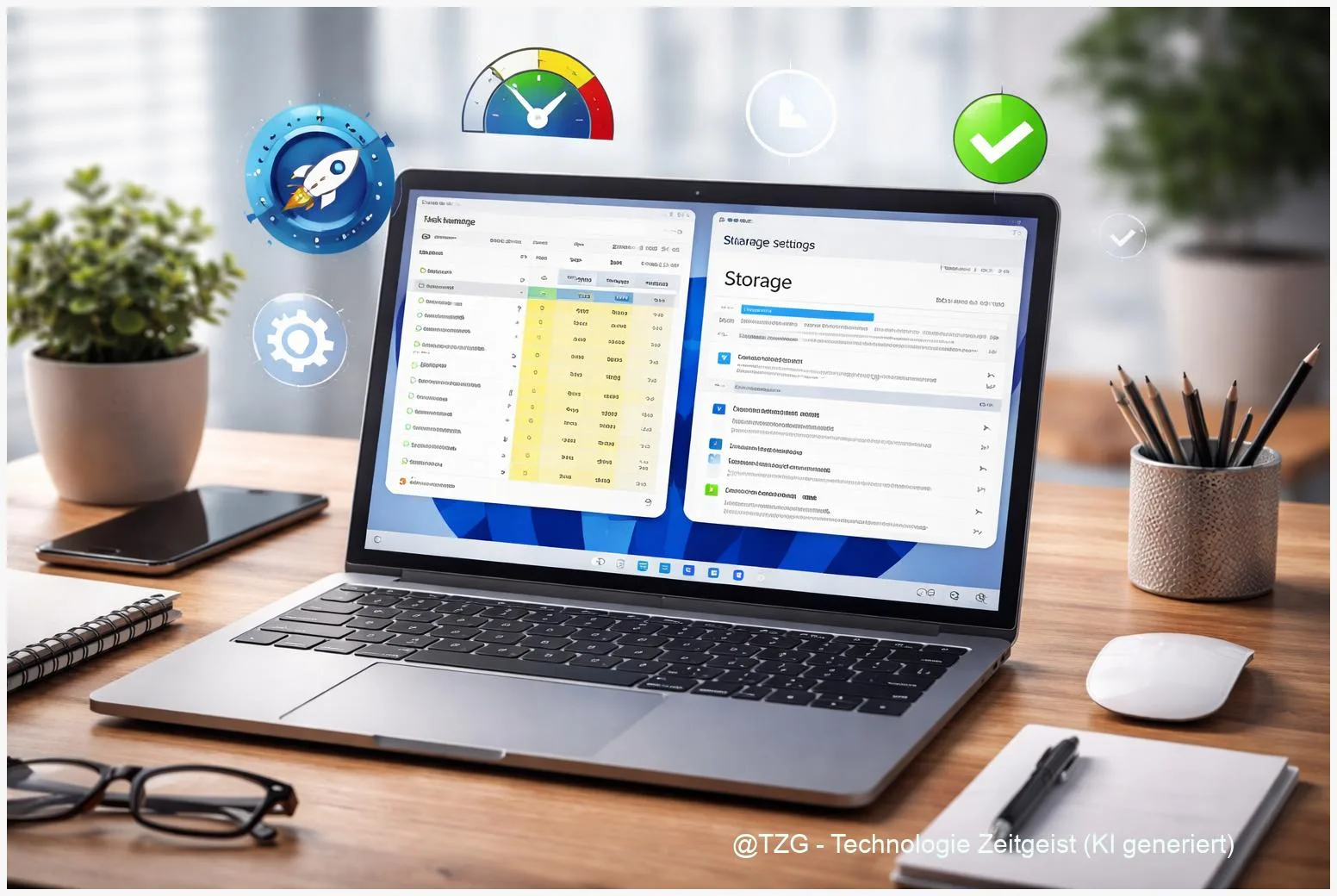
If your laptop feels laggy, apps open slowly, or Windows takes ages to boot, you can often fix it without buying new hardware. This guide shows how to speed up Windows 11 with safe, built-in tools: reduce startup load, free up disk space, limit unnecessary background activity, and keep drivers and updates in good shape. Follow the steps in order, and you should end up with a PC that starts faster and feels smoother in everyday use.
Introduction
A Windows 11 PC can slow down for reasons that feel mysterious: the fan suddenly gets loud while you only have a browser open, the Start menu hesitates, or video calls stutter even though your internet is fine. Often, it’s not one big “broken” thing. It’s a buildup of small issues: too many apps launching at startup, a system drive that’s nearly full, background tasks competing for CPU and memory, or outdated drivers causing inefficient performance.
The good news is that Windows 11 includes solid maintenance features. With a bit of housekeeping, you can improve responsiveness in a way that stays stable over time. The steps below are designed for everyday users: you won’t need third-party “cleanup” tools, and you’ll always know what a setting does before changing it.
Basics and Overview: how to speed up Windows 11 without new hardware
Most “slow PC” complaints come down to a few shared resources. Your CPU is the brain doing the work. RAM is short-term memory that keeps apps ready. Your system drive (usually an SSD) stores Windows, apps, and files. If any of these are under constant pressure, Windows feels sluggish.
Two Windows terms matter a lot for speed fixes. Startup apps are programs that launch automatically when you sign in. Some are useful (cloud sync), many are optional (updaters, chat tools). Background activity means apps that keep running even when you don’t actively use them, consuming CPU, RAM, disk, or network.
A fast PC is usually not about one “magic” tweak, but about removing constant small workloads that steal resources all day.
Also important: Windows 11 performance depends on updates and drivers. Drivers are small software components that help Windows talk to hardware like your graphics card, Wi‑Fi adapter, and storage controller. Keeping them current can fix slowdowns and weird lag spikes.
| Option or Variant | Description | Suitable for |
|---|---|---|
| Quick tune-up (15 minutes) | Disable heavy startup apps, free disk space, restart. | Most everyday “Windows feels slow” cases. |
| Deeper maintenance (30–45 minutes) | Updates, optional driver updates, Storage Sense configuration, troubleshooting. | PCs that stay slow after the quick tune-up. |
Preparation and Prerequisites
Before you change settings, take two minutes to make sure you can undo a step if needed. The goal is safe optimization, not risky experimentation.
Do this first:
- Restart once if you haven’t in a while. A proper restart clears stuck background tasks better than sleep/hibernate.
- Plug in laptops and turn off Battery saver during tuning. Windows may limit performance to save power.
- Check free space on drive C:. As a practical rule, try to keep at least 15–20 % free so Windows can update and use temporary files smoothly. (Exact needs vary by device and workload.)
- Know your admin status. Some steps (driver updates, uninstalling apps) may require an administrator account.
- Optional but sensible: create a restore point. Open Windows Search, type Create a restore point, then use Create…. This can help if a driver update causes issues.
If you suspect malware (pop-ups, unknown apps, constant CPU spikes), prioritize a Windows Security scan first. Performance tuning won’t help much if unwanted software keeps coming back.
Step-by-Step Instruction
Work through these steps in order. After each major step, use the PC for a few minutes to see if the slowdowns are gone. That way you’ll know what actually helped.
-
Find the bottleneck with Task Manager
Press Ctrl + Shift + Esc. In Processes, sort by CPU, then by Memory, then by Disk. If one app is constantly at the top while you’re doing nothing, that’s a strong clue. If you see System or Windows Modules Installer high, Windows may be updating in the background—give it time. -
Disable unnecessary startup programs (biggest win for boot speed)
In Task Manager, open Startup apps (or Startup, depending on your build). Look at the Startup impact column and disable what you don’t need immediately after sign-in (right-click > Disable). Keep security software and drivers enabled. Then restart and check whether the login-to-desktop time improves. -
Free up disk space using Windows tools
Go to Settings > System > Storage. Open Temporary files and remove items you recognize (for example, temporary files and recycle bin contents). If you’re unsure about Downloads, skip it and clean that folder manually. -
Turn on Storage Sense for automatic cleanups
Still in Settings > System > Storage, open Storage Sense and switch it on. Configure when it runs and what it can delete. This helps prevent the “drive slowly fills up again” problem. -
Reduce unnecessary background activity
Uninstall apps you no longer use: Settings > Apps > Installed apps. Fewer apps usually means fewer background updaters and helper services. Also check if a cloud sync tool is re-indexing a huge folder; that can temporarily slow the PC. -
Install Windows updates (performance and security)
Go to Settings > Windows Update and install pending updates. Restart when asked. Updates can include performance fixes and stability improvements. -
Update drivers the safe way
Start with Windows Update: in Settings > Windows Update, look for Advanced options > Optional updates > Driver updates (if available) and install relevant ones. For a specific device, you can also use Device Manager (right-click Start > Device Manager > right-click a device > Update driver > Search automatically).
If everything worked, you should notice faster booting, less random freezing, and quicker app switching. If the PC is still slow, the next section helps you pinpoint what’s left.
Tips, Troubleshooting, and Variants
Problem: “I disabled startup apps, but Windows is still slow.”
Open Task Manager again and check Performance. If Memory is constantly near full during normal use, the PC may simply be short on RAM for your workload (many browser tabs, video editing, gaming). Closing heavy apps can help; upgrading RAM is a hardware option, but it’s not required for this guide.
Problem: Disk usage is at 100 % and everything stutters.
This can happen on older PCs with a traditional HDD. Freeing space and reducing background tasks helps, but storage hardware can be the limiting factor. Also check whether Windows is doing a big update or indexing after a fresh setup. Let it finish, then re-test.
Problem: Storage Sense deleted something I wanted.
Storage Sense can clean the Recycle Bin and sometimes the Downloads folder depending on your settings. Review Settings > System > Storage > Storage Sense and choose safer timeframes (or disable Downloads cleanup). When in doubt, set Storage Sense to handle temporary files only.
Problem: A driver update caused glitches (graphics, Wi‑Fi, audio).
Roll back if needed: open Device Manager, double-click the device, go to Driver, and use Roll Back Driver (when available). If rollback isn’t available, use System Restore (restore point) or install a newer driver via Windows Update optional updates.
Practical variants that often help: keep fewer browser extensions, avoid running two antivirus tools at the same time, and schedule large cloud syncs for off-hours. If you want a focused follow-up, TechZeitGeist also covers everyday maintenance routines like Windows maintenance basics and storage hygiene on PCs at TechZeitGeist. (If those pages change, use the site search for “Windows 11 storage” or “startup apps”.)
Privacy and security note: performance “optimizer” tools from third parties can be risky because they may remove files you actually need or install unwanted extras. Windows’ built-in settings are usually enough for reliable speed improvements.
Conclusion
A slow Windows 11 PC is often the result of everyday buildup: too many things starting automatically, a system drive running low on space, and background tasks competing for resources. By disabling unnecessary startup programs, freeing space with Storage and Storage Sense, and keeping Windows and drivers updated, you can usually get back a smooth, predictable system. If issues remain, Task Manager helps you identify whether CPU, RAM, or disk is the real limit, so your next step is based on evidence instead of guesswork.
Try the steps in order and note what changed most on your PC—then share your before/after experience or questions so others can learn from it.

Leave a Reply