
Insights
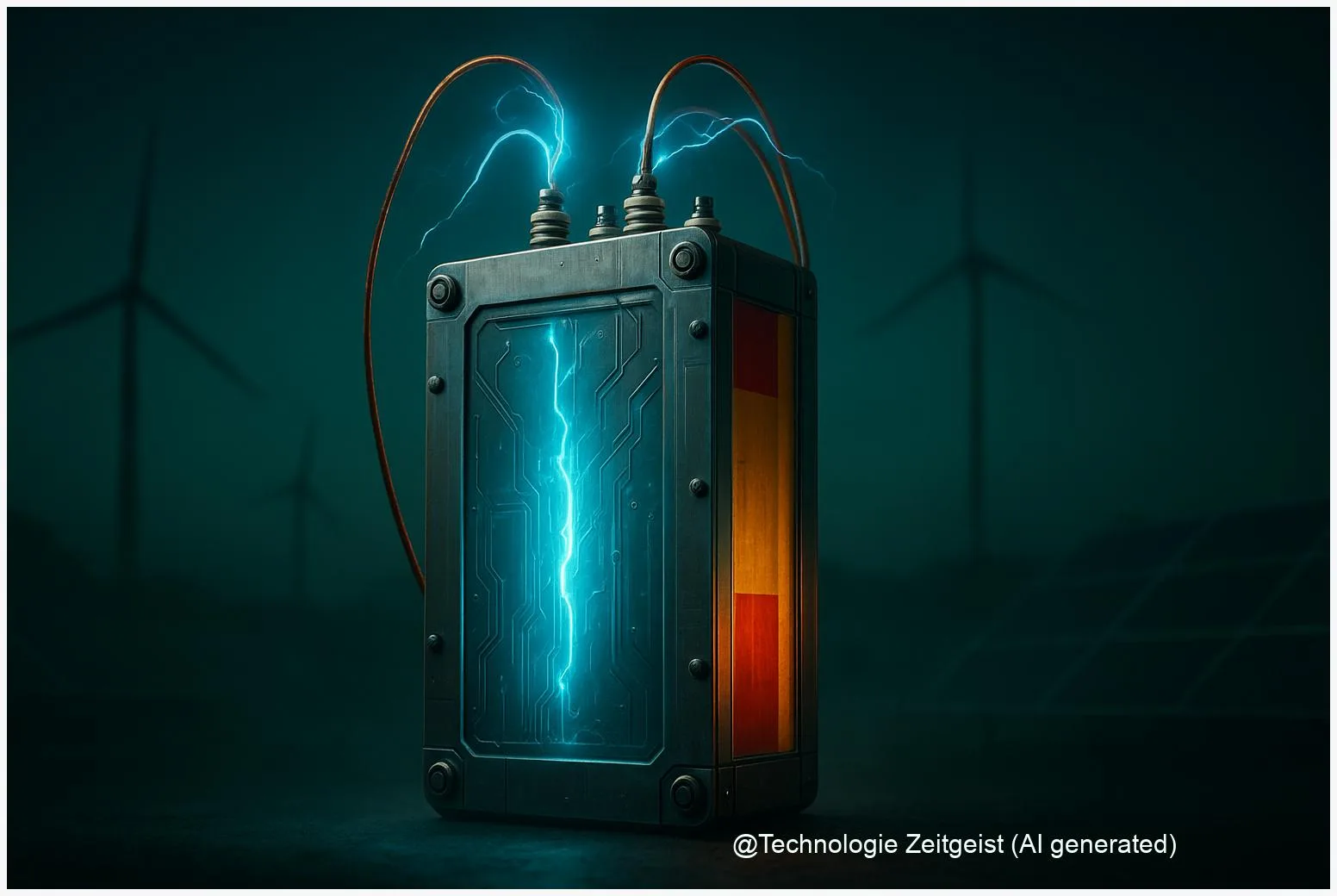
Spain has committed to adding 9.4 GWh of grid battery storage through a national funding round. The package, managed by MITECO/IDAE, assigns €818.3 million to 126 projects and aims to help integrate more renewable power into the grid.
Key Facts
- Spain allocated €818.3 million to 126 storage projects that total about 2.2 GW and 9.4 GWh of capacity.
- The funded portfolio includes 69 hybrid systems, 39 standalone batteries, 15 thermal stores and 3 pumped‑storage plants.
- The call received about 1,750 applications and project completion is expected within up to 36 months after award.
Introduction
On 30 December 2025 Spain’s ministry for ecological transition and the national energy agency approved a funding round to expand grid battery storage. This targeted funding is intended to smooth the variable output of renewables, strengthen grid flexibility and speed up local clean‑energy projects across Spain.
What is new
The government agencies MITECO and IDAE announced a package that assigns €818.3 million from the European Regional Development Fund to 126 large‑scale storage projects. Together these projects add roughly 2.2 GW of power and 9.4 GWh of energy capacity. The mix is diverse: 69 hybrid plants that pair batteries with solar or wind, 39 standalone battery systems, 15 thermal storage projects and 3 pumped‑storage schemes. The call drew about 1,750 applications and the budget was increased from an earlier €700 million because of high demand.
What it means
Grid battery storage stores electricity so it can be used when solar or wind output falls. For everyday users this can mean fewer outages and better voltage control at moments of high demand. For the wider system, the funded capacity will help integrate more renewables by shifting energy from sunny or windy hours into evening peak times. It also creates local construction and maintenance work, while exposing projects to common risks: permitting delays, grid‑connection bottlenecks and global battery supply constraints. Policymakers hope the grants lower investment risk and accelerate deployment.
What comes next
Project developers have up to 36 months from their award to complete works, with an overall deadline set no later than 31 December 2029. The next practical steps are publication and review of the detailed beneficiary list from IDAE, followed by local permitting, grid‑connection applications and equipment procurement. Observers will watch how quickly projects move from permit to operation, and whether the announced capacity translates into measurable reductions in curtailment of renewable output. Industry updates and regional rollout details should appear as projects start construction through 2026–2029.
Conclusion
Spain’s funding round is a significant step to add 9.4 GWh of grid battery storage, helping to balance a power system with growing renewable output. The real test will be timely permitting, delivery of equipment and smooth grid connections so the planned capacity comes online within the next few years.
Join the conversation: share your views on how storage can change local energy supply and what authorities should prioritise.

Leave a Reply