
Insights
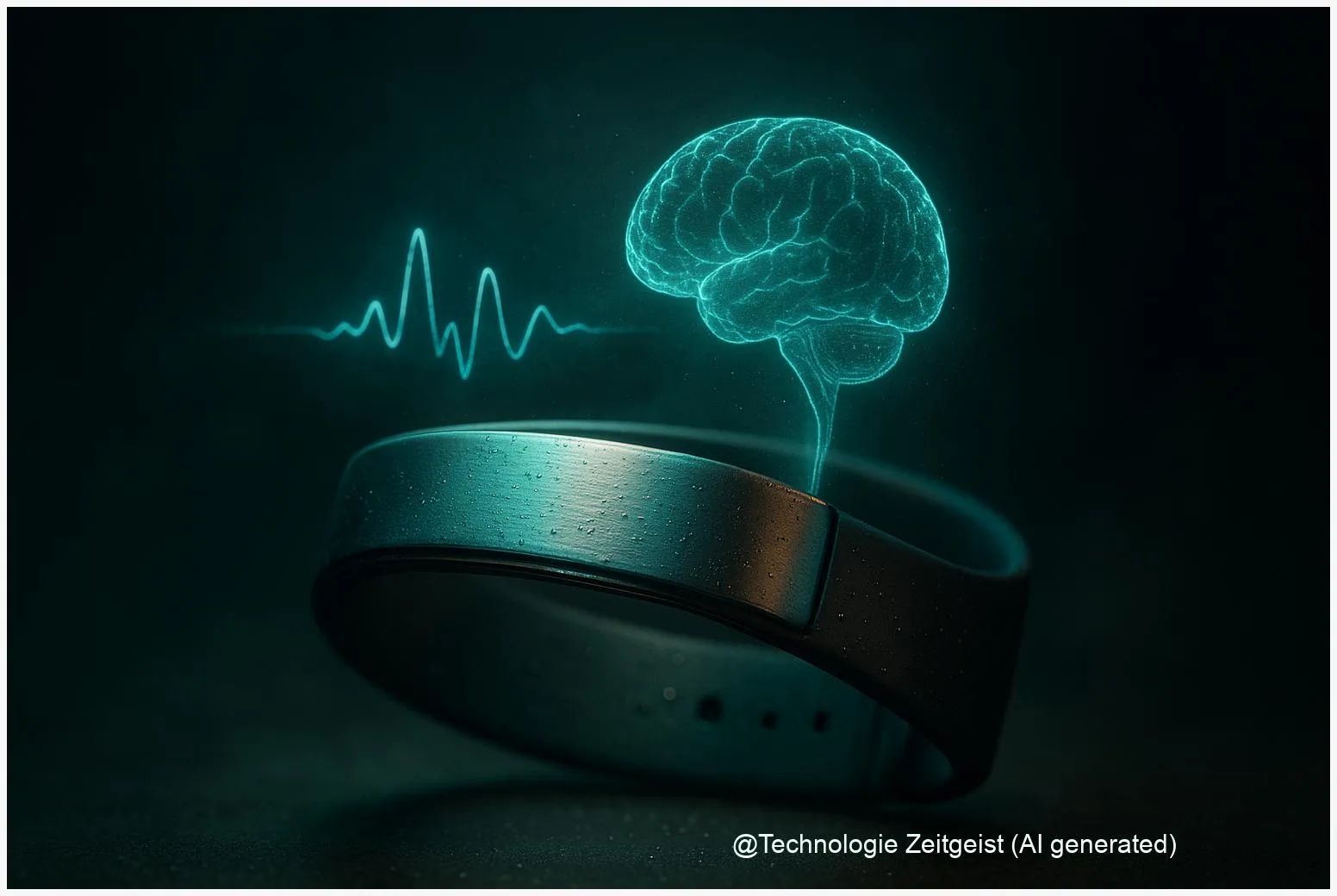
Scientists are testing wearables dementia detection by tracking walking patterns, sleep and heart signals from smartwatches and sensors. Early studies from 2023–2025 show consistent signals but stress the need for larger, standardized trials before clinical use.
Key Facts
- Wearable sensors can measure gait, sleep and heart‑rate variability that correlate with early cognitive change.
- Systematic reviews report promising accuracy for navigation and gait measures, but external validation is limited.
- Data gaps, device differences and user adherence are the main obstacles to reliable large‑scale screening.
Introduction
Researchers are exploring wearables dementia detection by using everyday devices such as smartwatches, phones and small motion sensors. These devices record walking rhythm, sleep quality and heart‑rate patterns in daily life. The idea is to spot subtle changes earlier than routine clinic visits, but the approach still needs broader testing and standard rules.
What is new
Multiple peer‑reviewed studies and a 2024 systematic review report that wearable‑derived signals can distinguish people with early cognitive changes from controls. Key signals include gait features (walking speed, step length and variability), sleep disruption and heart‑rate variability (HRV). HRV is the small beat‑to‑beat variation in heart rhythm and can reflect stress or autonomic changes; smartwatches measure it with light sensors called PPG. Lab and in‑home tests from 2023–2025 show promising classification scores, and a feasibility study in 2024 demonstrated that activity and sleep data improve prediction of poorer cognitive test results. However, most models are still validated only within single research cohorts, and measurement methods vary between studies.
What it means
If wearables can reliably flag early decline, they could help doctors decide who needs further tests, such as brain scans or memory assessments. For users, passive monitoring means fewer clinic visits and continuous signals rather than a single appointment snapshot. For health systems, the potential is earlier detection and targeted care, but risks include false alarms, unequal access to devices and privacy concerns. Technical limits matter: smartwatch HRV suffers from movement artifacts, and gait measures depend on sensor position and processing steps. In short, the technology is promising for screening and monitoring but not yet a substitute for clinical diagnosis.
What comes next
Researchers urge larger, multicentre, longitudinal studies that use the same sensor setups and open reporting standards. Next steps include defining minimum data sets for gait and sleep, testing devices across different populations, and comparing wearable measures with clinical biomarkers such as PET or CSF when possible. Regulators and clinicians will need evidence on sensitivity, specificity and fairness before roll‑out. Parallel work on privacy — for example on‑device processing and minimal location sharing — will be essential before services reach broad public or primary‑care use.
Conclusion
Wearables dementia detection is an active research area with clear early signals from gait, sleep and heart patterns. The core takeaway: these tools can support early screening but require larger, standardized studies, careful validation and strong privacy safeguards before clinical use.
Share your thoughts or experiences with health wearables and dementia screening — respectful comments welcome.




Leave a Reply