
Insights
The US pause attracted attention after reports of a federal stop-work action. This article explains the “offshore wind stop work order”, what officials have said so far, and why the pause could matter for projects, ports and supply chains today.
Key Facts
- US media reported a stop-work order for some offshore wind construction in December 2025, pending further agency review.
- BOEM (Bureau of Ocean Energy Management) is the federal agency that manages offshore energy leases and issues construction instructions.
- The pause aims to allow additional environmental, legal or safety checks and may cause short-term delays for projects and suppliers.
Introduction
Who: federal agencies and project developers. What: reported pause in on-site work. When: December 2025, as reported by several outlets. Why it matters: a stop-work instruction can delay turbine installation, cable laying and port activity, with knock-on effects for supply chains and timelines.
What is new
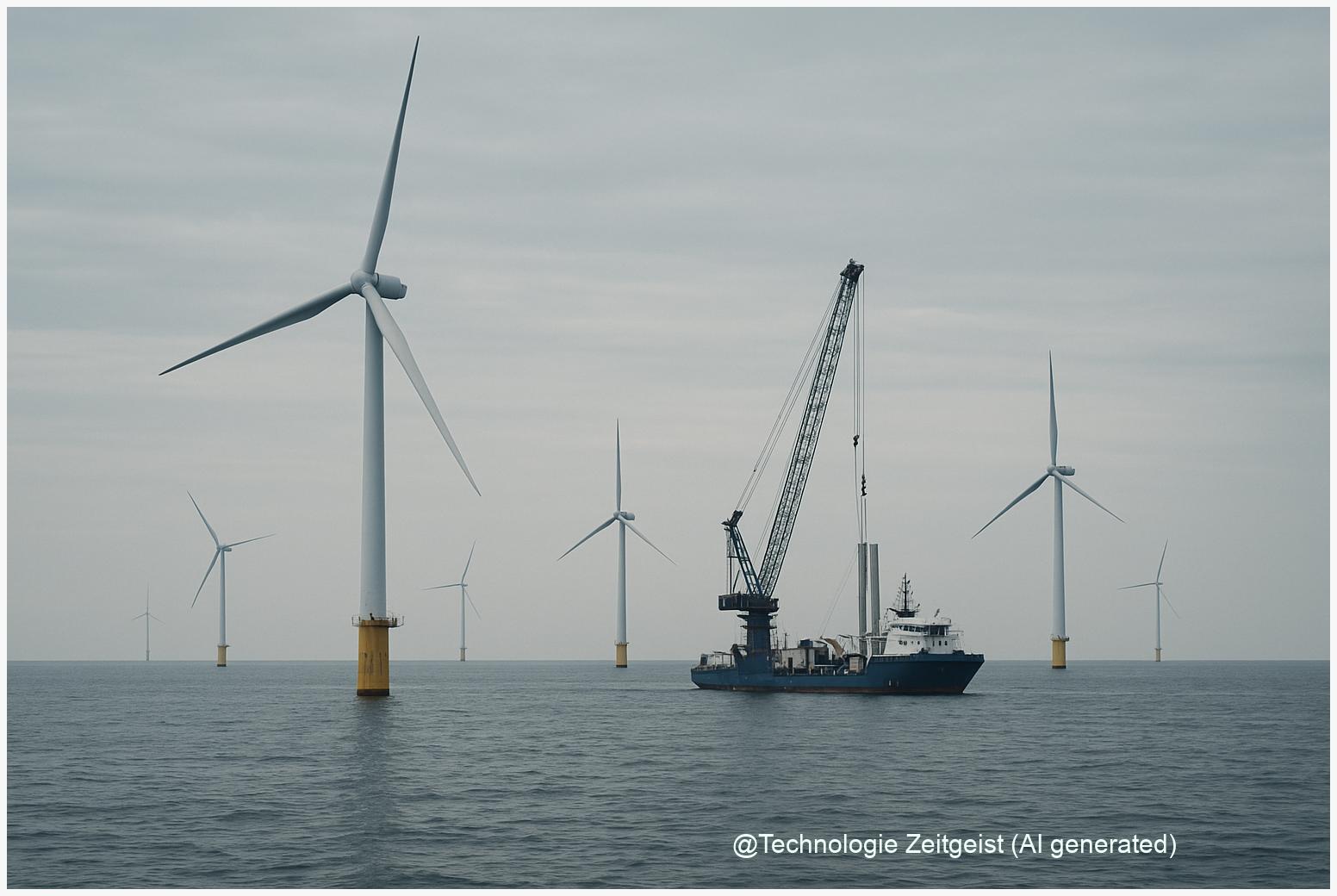
In December 2025 news outlets reported that US authorities issued a stop-work order for certain offshore wind construction activities. A stop-work order is an administrative instruction that pauses specific field operations until agencies complete additional reviews or set new conditions. The Bureau of Ocean Energy Management (BOEM) and the Department of the Interior oversee offshore leasing; the US Coast Guard may also be involved for marine safety reasons. At the time of writing, official BOEM text was not widely available online, so some details remain unconfirmed and are based on agency statements and media reporting.
What it means
A stop-work order can pause critical on-site tasks such as turbine assembly, monopile installation and cable burial. For developers and suppliers this often means schedule shifts, extra costs and renegotiated contracts. For ports and local workers, a pause can reduce immediate activity and create uncertainty about future work. Regulators use these orders to require extra environmental or navigational checks — for example, assessing impacts on marine mammals or fishing. The overall effect depends on the order’s scope and duration; industry sources say delays could range from a few weeks to several months, but these are estimates until agencies publish formal guidance.
What comes next
Next steps include publication of the full stop-work text or related BOEM/DOI notices. Developers will likely seek clarification on which activities are paused and on criteria to lift the order. Contractors and suppliers should review contracts for delay or force‑majeure clauses and prepare contingency plans. Courts or stakeholder petitions could follow if parties dispute the order. Watch for formal BOEM press releases, Department of the Interior statements and company notices over the next days and weeks to get the precise scope and timeline.
Conclusion
The reported offshore wind stop work order reflects a temporary regulatory pause to check environmental, safety or legal issues. Its practical effect will depend on the final agency text and the duration of the pause. Stakeholders should watch BOEM and company statements closely and prepare for short‑term schedule and contract impacts.
Join the conversation: share your views or questions about project timelines and local impacts.



Leave a Reply