
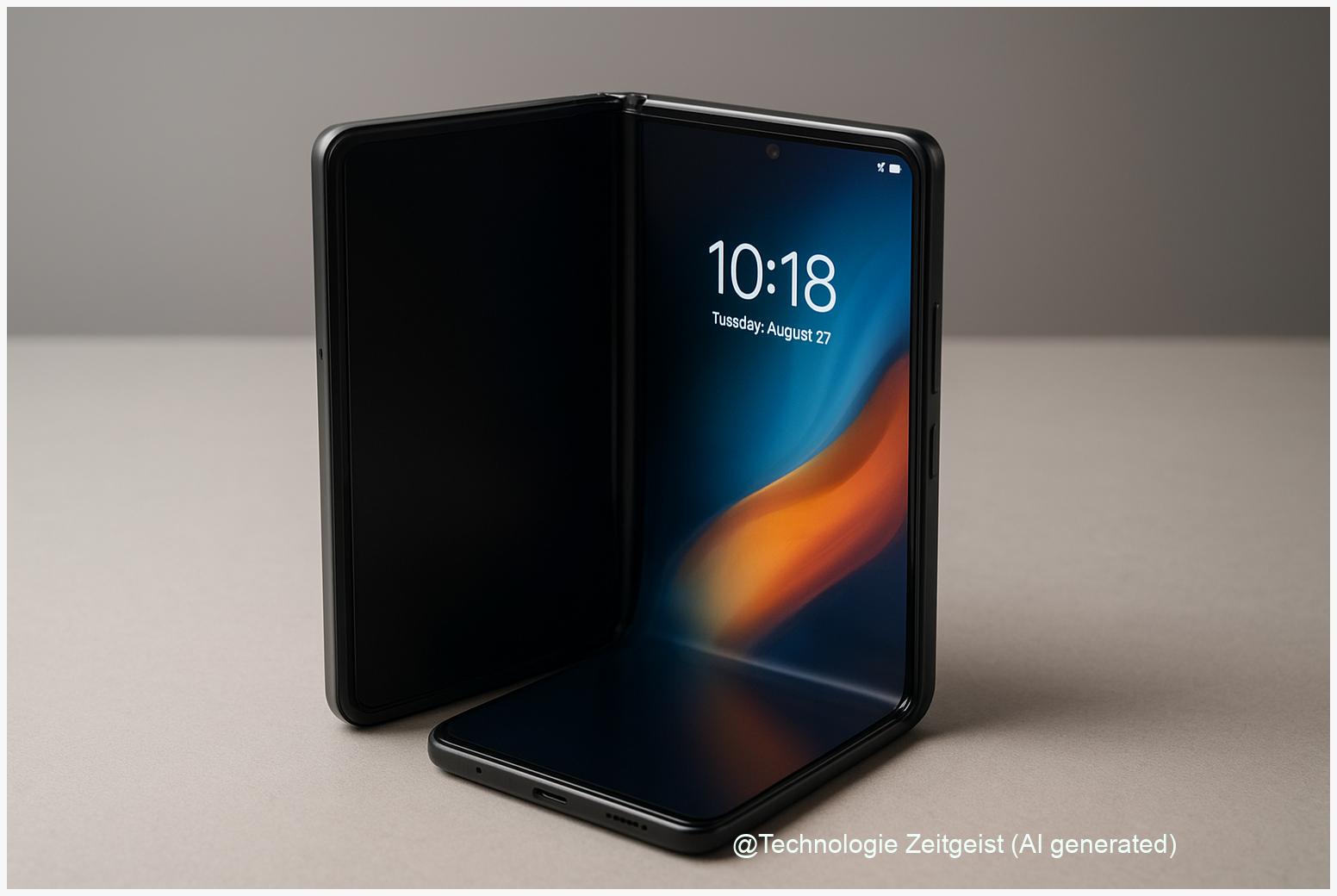
Foldable phones 2026 are reaching a turning point for practical buyers: lower prices, more durable hinges, and broader app support mean these devices may finally fit into normal daily use without constant worry about fragility. This article summarizes what has changed, where risks remain, and what to look for if you consider a foldable this year.
Introduction
If you are weighing whether to buy a foldable phone now, your main worries are likely durability, software that actually uses the bigger screen, and whether the extra cost is worth it. Those concerns are valid: early foldables felt experimental, and many buyers reported visible creases or expensive repairs after months or a year of use.
Manufacturers have responded with design changes, and some technical bottlenecks are easing. At the same time, more manufacturers are offering mid-price models, so buyers no longer need to commit to a premium flagship to try the format. This introduction frames the practical questions: what has improved, what still needs work, and how to decide if a foldable suits your daily habits in 2026.
How foldables work: the basic facts
Foldable phones use flexible display technology and a hinge mechanism so the screen can bend without breaking. The most common displays are called POLED (plastic organic light-emitting diode); compared with glass OLED they are thinner and bendable. POLED can show a faint line or “crease” where the screen folds; that crease is an optical effect from repeated bending rather than a sudden electrical failure.
There are two mainstream formats: the book-style fold (a phone that opens to a tablet-like screen) and the clamshell or flip (a compact phone that unfolds to a taller screen). Each format creates different engineering trade-offs: the book fold prioritises screen area and multitasking, while the flip focuses on pocketability and style.
Manufacturers often state a lifecycle measured in fold cycles — for example, around 200,000 folds — but those figures reflect controlled lab tests rather than real-world conditions.
Hinge design is central. A hinge must control torque (how firmly it holds each angle), resist dust, and distribute bending stress across the display. Manufacturers combine mechanical parts, seals, and special adhesives. Teardowns by independent repair sites consistently show complex hinges and glued assemblies, which makes repairs more difficult and costly than on standard glass phones.
Because the term “foldable” covers several different constructions and materials, comparing models by a single number is misleading. Look for published test protocols (fold count, dust ingress rating) and independent reviews that include long-term use or durability stress tests.
Living with a foldable: everyday examples
A foldable changes small routines more than it changes basic phone tasks. For commuting, a clamshell opens to a regular-sized screen for social media but folds to a compact shape for pockets. For reading and maps, a book-style fold gives more space for two-pane layouts: navigation on one side, messages or notes on the other. For streaming, the larger inner display is convenient for video without needing a tablet.
Battery life and weight deserve attention. Folding screens add layers and hinge assemblies, so some models are thicker or heavier than their non-folding counterparts. That trade-off matters if you carry your phone all day. Camera quality has converged: many midrange foldables now offer multi-lens setups that rival conventional flagships for everyday photos, though low-light and zoom performance still vary by model.
Software experience is a practical hurdle. Few apps are perfectly optimised for different screen states; good devices supply split-screen tools and adaptive layouts. If you often switch between one-handed and two-handed use, check how the phone handles app continuity when you open and close it. Reading PDFs, sketching with a stylus, or using two apps at once are scenarios where the larger screen is genuinely helpful rather than just novel.
Price now matters less for early adopters alone. Several manufacturers released lower-cost foldables that cut features to reduce cost, so it is possible to experience the format without buying a top-tier flagship. Still, cheaper models may use simpler hinges or thinner materials — weigh the savings against expected lifespan.
Opportunities and risks to watch
Foldables offer two clear opportunities: more usable screen area in one device, and a new interaction model for multitasking and content creation. For professionals who draft emails while referencing documents, or students who keep notes beside a reading pane, the format can reduce device switching and increase focus.
On the risk side, durability and repairability remain the core concerns. Manufacturer lab claims — often a fold-count in the hundreds of thousands — do not always predict visible wear in daily life. Independent durability tests and repair teardowns report visible creases, adhesive-bound assemblies, and hinge-related faults in some models. Repair costs can be high because the display is integrated and often glued in place.
Software fragmentation is another tension. If app developers do not prioritise adaptive layouts, the larger inner screen can become wasted space for commonly used apps. Progress is visible: major platforms now publish developer guidelines for large and folding screens, and several mainstream apps show improved multi-pane workflows. Still, the quality of that experience differs between ecosystems and apps.
Environmental and economic questions matter too. More complex devices can be harder to recycle and repair, and a shorter useful life would increase e-waste. On the other hand, a single device that replaces both phone and small tablet could reduce the total number of devices a person owns. For buyers, paying attention to warranty terms, availability of spare parts, and official repair programmes reduces long-term ownership risk.
Foldable phones 2026: possible scenarios
Several market indicators suggest 2026 could be the year foldables move beyond early adopters. Key drivers are falling component costs (especially flexible displays and hinges), a widening model range that includes mid-priced options, and growing familiarity among buyers and developers. Industry analysts reported continuing growth in foldable shipments through 2024 and 2025; public ranges supplied by market trackers suggest shipments in the low tens of millions, with forecasts for 2026 that depend strongly on price erosion and regional adoption.
Consider three simple scenarios to set expectations:
| Scenario | Trigger | Outcome (market effect) |
|---|---|---|
| Conservative | Slow price decline; durability concerns remain | Modest growth; foldables stay a premium niche |
| Base case | Midrange models arrive; OEMs improve hinges | Wider consumer uptake; shipments rise noticeably |
| Optimistic | Rapid costs fall and strong developer support | Foldables enter mainstream purchasing decisions |
Which scenario is most likely depends on how quickly prices drop and how visible durability proves in real-world use. For buyers, the practical implication is simple: if mainstream app behaviour and service options improve while the price premium narrows to a smaller amount, foldables will stop being a curiosity and become a normal alternative to large-screen phones and small tablets.
From a product perspective, improvements that accelerate this shift include better standardized durability tests, clearer repair pathways, and stronger developer tooling for adaptive interfaces. If those appear across the industry by 2026, mainstream status becomes plausible rather than speculative.
Conclusion
Foldable phones have matured technically and commercially since their first consumer launches. In 2026, a combination of lower prices, improved hinge engineering, and better software support could finally make them a realistic choice for ordinary buyers who value a larger screen without carrying a tablet. Durability and repairability remain the main caveats; independent tests and warranty conditions should influence purchase decisions more than marketing claims alone. If you want a larger screen and can accept a slightly higher risk and repair cost, there are sensible choices today; if you prioritise long-term ruggedness and easy repairs, wait for clearer evidence from third-party durability reports and broader service networks.
Share your experience or questions about foldable phones — we welcome constructive comments and tips.

Leave a Reply