
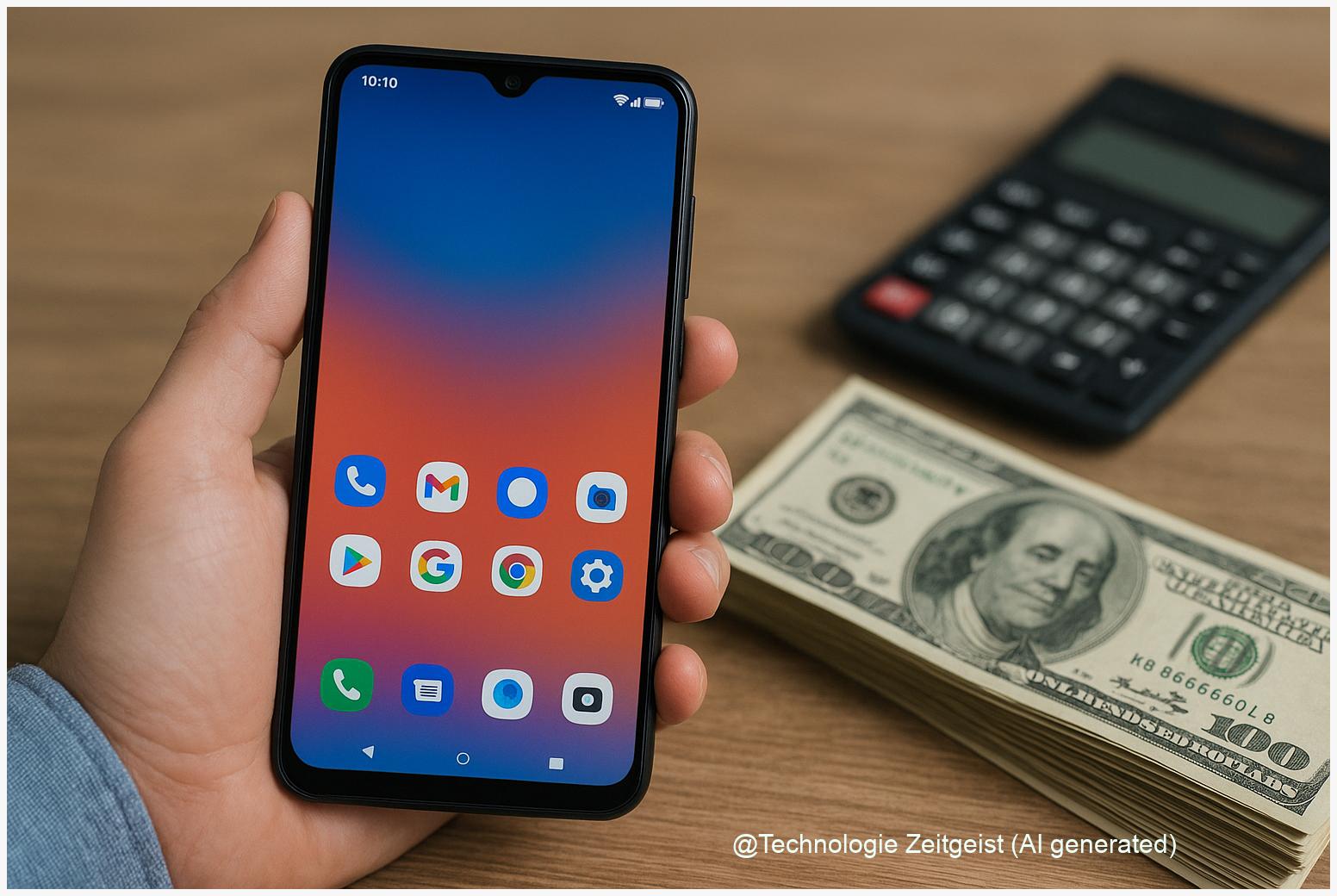
Smartphone buyers face a clear economic signal: components and model mix are pushing prices up. The question why are smartphone prices rising appears in both analyst reports and retailer listings; this article shows which forces are at work and what practical choices buyers can make today to avoid paying more than necessary. It focuses on long-term trends for 2025 and beyond and the concrete benefits of timing, specification priorities, and trade-in strategies.
Introduction
Many people notice phone prices when they try to upgrade: a new flagship often costs noticeably more than last year’s models. Behind that visible number are several quieter shifts in the supply chain, product strategy and regional markets. Some suppliers charge more because parts cost more; some manufacturers strategically sell fewer cheap models and more expensive ones to protect margins. For a buyer, these changes change the trade-offs: pay now for a longer-lasting device, wait for discounts, or choose a different brand.
This article keeps to practical facts and avoids hype. It explains the main drivers in plain language, gives everyday examples of what changes mean at the shop counter, and offers realistic options for readers who are wondering whether to buy now or hold off.
Why are smartphone prices rising?
At the simplest level, average selling prices commonly shortened as ASP — are drifting upward because three things coincide: higher component costs, a strategic shift to pricier models, and currency or regional inflation effects. ASP stands for average selling price; it is the average money a manufacturer or retailer receives for a unit and helps analysts understand whether the market is getting more expensive overall.
Analysts point to components such as OLED displays and memory chips, plus a stronger share of premium models, as main drivers of higher ASPs.
Display modules (particularly high‑refresh OLED panels) and memory chips (DRAM and NAND flash) are the most visible cost items. Suppliers for these parts have tighter capacity at times and the component market is often cyclical: when supply is tight, prices rise. That cost pressure flows into retail prices unless manufacturers absorb it to protect sales volume.
Another clear factor is product mix. Manufacturers and brands increasingly emphasise feature-rich mid‑range and premium phones that include faster chips, better cameras and on‑device AI functions. Those models sell at higher price points and therefore lift the average price even when the number of units sold does not grow.
A final layer is regional: exchange rates and local inflation can make the same model cost more in one country than another. In some markets, retailers add import surcharges or remove subsidies that used to hold prices down.
If numbers help, this simple table summarises relative influence rather than precise percentages — because published analyst figures vary by methodology.
| Factor | How it raises prices | Typical impact |
|---|---|---|
| Component costs | Higher supplier prices for displays, memory, camera modules | Moderate to strong |
| Model mix | More mid‑ and premium SKUs instead of low‑end models | Moderate |
How those changes affect everyday buyers
What matters for you at the store or online checkout are visible choices and hidden forces. Visibly, sticker prices can climb by several tens of euros for premium models when a new generation arrives. Hidden forces include carriers changing subsidies and retailers shortening discount windows.
For many buyers the clearest effect is less bargain space in the mid‑range. A mid‑range phone that used to be a good value at one price band can be replaced by a slightly more expensive model with more features. That narrows the sweet spot where price and performance meet, and makes low‑cost phones rarer in some regions.
Here are three everyday scenarios and what they mean:
- Replacement because of damage: If you need a phone immediately, waiting for a sale has uncertain payoff. Choose a reliable mid‑range model with a good warranty and consider a trade‑in to soften the immediate cost.
- Planned upgrade: If you actively follow flagship launches, plan purchases around brand cycles. New models often appear with high MSRPs; previous year’s flagships usually drop in price after one to three months.
- Budget shopping: If you are price sensitive, broaden brand search and consider models that offer last year’s chip or camera at a discount; software updates can still keep these devices useful for several years.
One practical point: carriers and retailers use bundles and financing to blur the headline price. An instalment plan might look affordable monthly but cost more overall than buying the device outright, so compare the total cost over the contract term.
Opportunities and risks when prices climb
Rising prices are not only bad news. For buyers who keep devices longer, modest price increases can mean higher resale or trade‑in values for recent models. For households with multiple devices, delaying a single upgrade may free budget for a higher quality device later.
However, risks are real. Higher entry prices can push some buyers to older or grey‑market models that lack security updates. In some regions, a persistent price rise may widen the digital divide if cheaper new devices become scarce.
Another tension: manufacturers may choose to protect profit margins by offering fewer low‑cost SKUs, which reduces competition in the low end. That helps established premium brands keep revenue but reduces consumer choice for budget buyers.
From a buyer’s perspective, consider three risk‑management tactics:
- Set a clear priority list: battery life, camera quality, and software support often matter more over the device lifespan than the latest chip benchmark.
- Use trade‑in or certified refurbished markets: these channels often offer strong value when new models push MSRPs higher.
- Avoid impulse buys on release day: early adopter premiums are real; typical discounts appear within a few months for non‑limited models.
These options reduce exposure to higher front‑end prices while keeping long‑term ownership costs reasonable.
What the near future may bring and how to respond
Looking ahead to 2026 and beyond, expect a mixed picture. Analysts project modest upward pressure on average prices, but the size and timing depend on several variables: component markets (especially DRAM/NAND and OLED capacity), macroeconomic factors such as inflation and exchange rates, and strategic choices by major brands about how many premium models to push.
For buyers this implies three practical approaches that remain useful across scenarios. First, plan purchases around the model cycle of your preferred brand; buying the previous year’s flagship often yields the best trade‑off between cost and capability. Second, prioritise software support and battery replacement policies—devices that receive four or more years of updates hold value longer and avoid security risks. Third, consider certified refurbished devices and trusted trade‑in programmes as standard options; they often deliver flagship performance at a mid‑range price.
Finally, if you are responsible for purchases at scale—family or small business—track component price indices and inflation in target markets. For single buyers, practical tools are price trackers and notification alerts which flag genuine drops rather than short‑lived promotions.
Small adjustments in timing and specification choices can reduce the financial impact of higher headline prices and keep devices useful for longer.
Conclusion
Smartphone prices are trending upward because component costs, a shift to pricier models and local economic factors are pushing average selling prices higher. For most buyers the best response is not panic but planning: decide which features you genuinely need, check trade‑in and refurbished markets, and time purchases to avoid early‑release premiums. If you need a device immediately, prioritise warranty and battery support; if you can wait, older flagships and certified refurbished models often give the most value. Over the next year these practical choices will matter more than short‑term price headlines.
Share your experience buying a phone this year and join the discussion — it helps others choose smarter.


Leave a Reply