
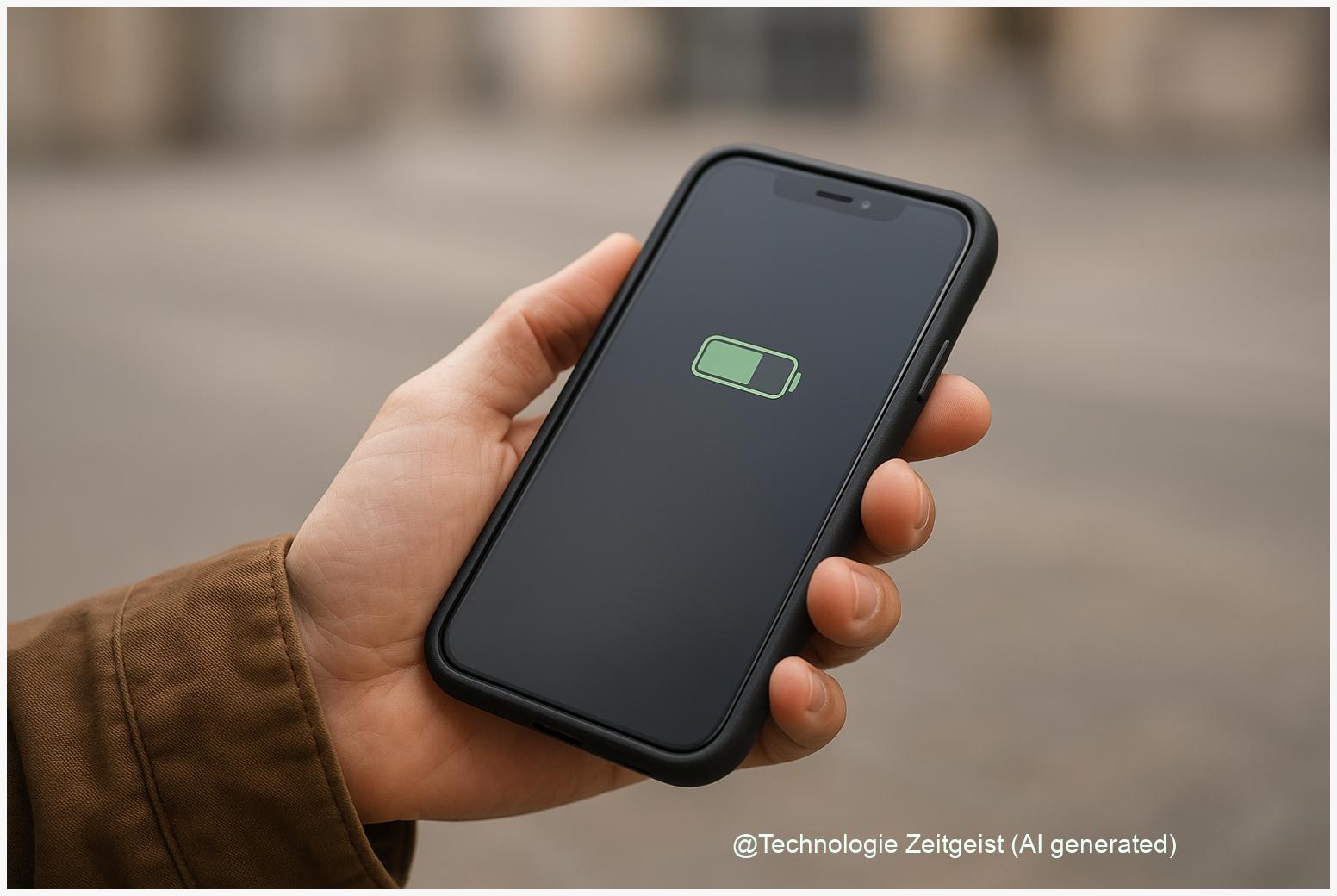
Many owners now delay replacing phones, which changes the smartphone upgrade cycle for everyone. Across markets, average replacement intervals are nearer to 2.5–3 years, driven by longer software support, better hardware and economic choices. This article shows what keeps people with older devices, how battery health and repair options matter, and how to judge whether your next upgrade is worth the cost and the environmental footprint.
Introduction
People keep phones longer for reasons that are both technical and practical. A battery that still carries you through a day, an operating system (OS) that receives security updates, and a camera that feels good enough are all common reasons to postpone a purchase. At the same time, rising prices, better trade-in and refurbishment markets, and repair-friendly rules in some places make older devices more attractive.
For readers trying to decide whether to upgrade, the choice is rarely only about raw speed. It is about safety updates, how much battery capacity has dropped, whether apps still run smoothly, and what you pay in money and CO₂ when buying new. This introduction sets the scene for four focused chapters that explain the cycle, everyday practices that extend phone life, trade-offs between money and the planet, and likely policy and product trends in the coming years.
Understanding the smartphone upgrade cycle
The phrase smartphone upgrade cycle refers to the average time a user keeps a phone before replacing it. Industry analyses in recent years place that interval roughly between 2.5 and 3 years for many developed markets. Differences in measurement exist: some studies derive the number from sales patterns, others from user surveys; both approaches have limits and yield slightly different results.
Two facts are useful to keep in mind. First, the observable cycle has lengthened compared with the early 2010s, when people replaced phones more often to chase small performance or camera gains. Second, regional patterns matter: wealthier markets tend to show longer cycles, while fast‑growing markets with lower entry prices often see quicker turnover.
High‑level trend: better software support and tougher economic choices push users to keep phones longer.
How this affects you depends on why you would buy a new phone. For many, the trigger is not raw speed but a combination of reduced battery capacity, lack of security updates, or a broken screen. Those causes are meaningful because each has different remedies: a worn battery can often be replaced cheaply; a missing OS update cannot be fixed by swapping a part.
If numbers help, think in rounds: keeping a phone an extra year reduces the number of new devices sold each year and lowers annual electronic waste. The exact figures vary across sources, but the overall message is stable—longer use is now common and measurable.
If you prefer a quick comparison, the table below shows typical drivers and their relative impact on replacement decisions.
| Feature | Description | Typical effect |
|---|---|---|
| Battery health | Measured as capacity retained vs. new; affects daily runtime | High — often decisive |
| Software updates | Security and feature updates from the OS maker | High — especially for older models |
What makes phones last longer in daily life
Small habits and a few technical facts go a long way. Lithium‑ion batteries lose capacity as they are charged and discharged; this is normal. A phone that once lasted two days may fall to a single day after a few years, and many users notice that drop before anything else. Battery replacement is often the single most effective repair for extending a device’s usable life.
Software plays a dual role. Operating system updates bring new features but also keep devices secure. When a manufacturer guarantees five years of security patches, owners feel more comfortable keeping that phone longer. Conversely, when update support ends, users may upgrade to avoid security risks.
Practical choices matter too. People who use lighter apps, reduce background syncing, and avoid extreme temperatures tend to slow degradation. Cases and screen protectors reduce the likelihood of accidental damage, which otherwise forces an upgrade. Trade‑in and refurbishment markets also change behaviour: selling a still‑working device recovers part of the cost, which can both encourage earlier upgrades and make upgrades more affordable.
Affordability strategies from vendors — monthly financing, trade‑ins, or software subscriptions — affect decisions in subtle ways. In some households, spreading the cost over time makes frequent upgrades feel manageable; in others, paying cash encourages holding on longer to amortize the expense.
Finally, repairability matters. Where parts and repair manuals are available, independent workshops can replace batteries or broken screens quickly and at low cost. Laws and labels that require parts availability and repair information are increasingly visible in Europe and elsewhere; they make extending a phone’s life easier for many users.
Economic and environmental tensions
Keeping a phone longer has clear environmental benefits: fewer new devices manufactured means less resource extraction and lower annual e‑waste. Extending average use by a year can reduce the number of phones produced each year and cut lifecycle emissions per person. The exact saving depends on model and manufacturing footprint, but the direction is clear.
On the economic side, both households and manufacturers feel pressure. Slower device turnover reduces new‑device sales growth, which pushes companies to find revenue in services, repairs and subscriptions. For consumers, rising device prices make longer ownership attractive. Yet there are trade‑offs: an older phone can carry hidden costs if it lacks security updates or consumes more energy per task.
Repair laws and right‑to‑repair measures change the balance. Rules that require manufacturers to supply spare parts, repair manuals and a minimum software support window make longer ownership easier and safer. The European Commission’s recent work on ecodesign and repairability aims to raise these standards across the EU, which may increase the share of easily repairable phones in coming years.
Risks also exist. A phone out of security support can be an entry point for fraud or privacy breaches. Older devices may not receive optimizations for new apps, causing frustration. Policymakers must balance rules that promote longer use with measures that ensure safety and fair access to repairs.
What lies ahead for devices and users
Several trends point toward continued lengthening of the typical upgrade cycle. First, many vendors now commit to longer software support, which removes a key reason for upgrades. Second, more transparent repairability scores and legal changes in some regions will improve access to parts and manuals. Third, the second‑hand and refurbishment market is growing, making it easy to buy a high‑quality used device instead of new.
At the product level, manufacturers may shift emphasis from frequent new models to modular repairs, longer warranties and services that add value without replacing hardware. For users, that means decisions will increasingly weigh total cost of ownership: purchase price, repair costs, expected software support and energy consumption over time.
For people deciding today, a practical approach is to check three things: current battery health (many phones show a percentage), whether your device still receives security updates, and whether repair options are affordable. If the battery is the only problem, a replacement can extend usable life for a modest sum. If software support has ended, the security risk may justify an upgrade.
Finally, prices and policies will shape how widely these changes matter. If regulations increase repairability and manufacturers provide longer updates, most users will find it easier to keep phones longer. That outcome lowers household costs and reduces environmental impacts without forcing anyone to accept unsafe devices.
Conclusion
Smartphone ownership patterns are shifting toward longer use because of improved software support, accessible repairs and economic factors. The smartphone upgrade cycle now commonly spans about 2.5–3 years in many developed markets, though regional differences persist. For most people, the right choice balances battery health, software security and the cost of repair versus replacement. Practical checks—battery percentage, update status, and repair options—give clear, reliable guidance when the next purchase decision arrives.
Join the conversation: share your experience keeping a phone longer and any tips you found useful.

Leave a Reply