
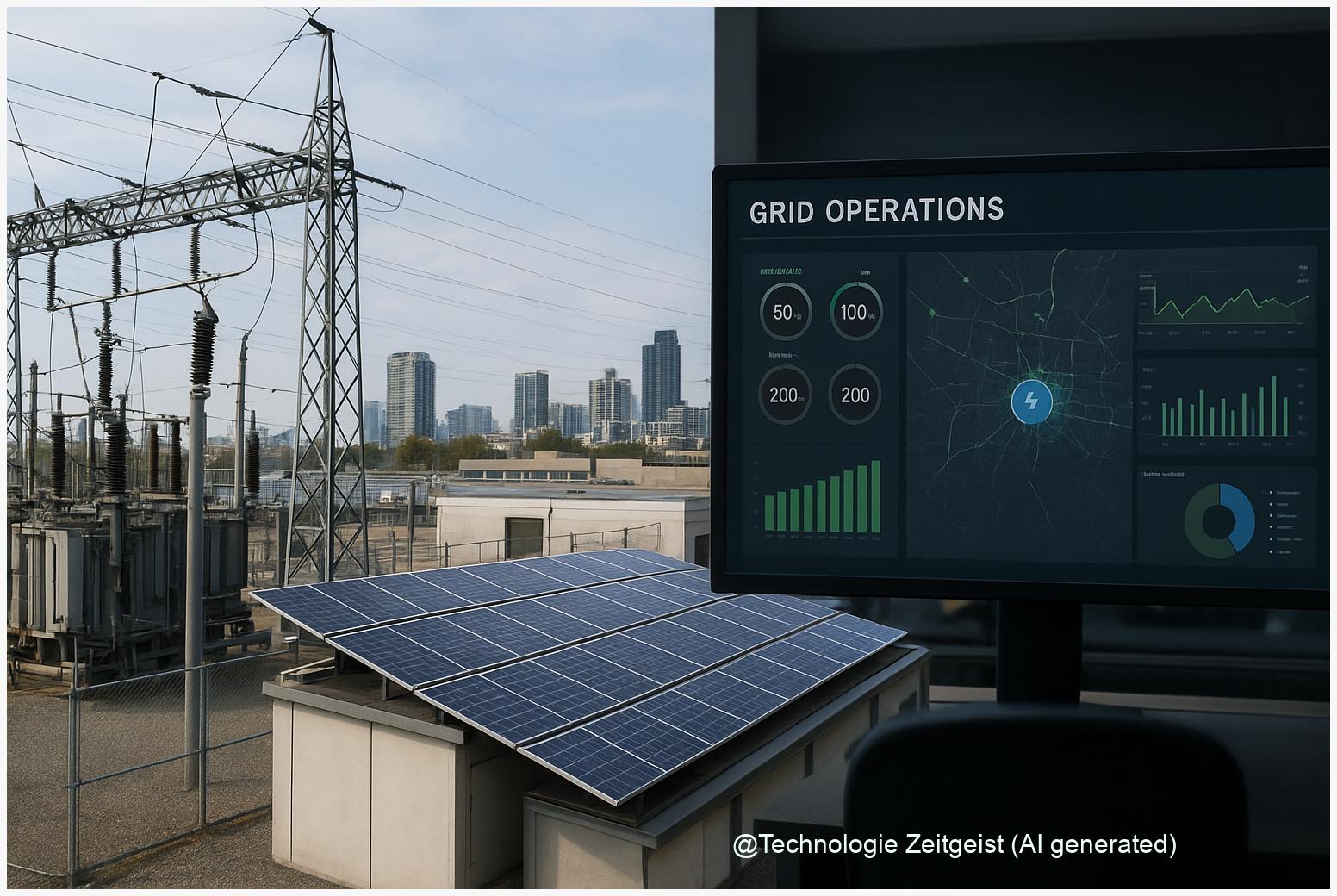
Cities fund virtual power plants because they coordinate rooftop solar, batteries and controllable loads into a single flexible resource for peak shaving, frequency support and delaying costly grid upgrades. Participation can offer residents bill savings or small payments while giving utilities a distributed tool to improve local resilience.
How a virtual power plant works
A virtual power plant (VPP) is a software-led system that aggregates distributed energy resources (DERs) such as rooftop PV, home batteries, EV chargers and controllable heating. Telemetry and forecasting allow an aggregator to issue dispatch signals or price incentives so many small assets act like a single controllable resource.
What cities and residents actually do
Cities may run pilots, subsidize storage, or contract aggregators to include municipal assets. Households opt in by installing smart meters or batteries and agreeing limits on control; in return they receive payments or lower tariffs.
Opportunities and tensions
VPPs help defer network upgrades and integrate renewables, but raise questions about fairness, data governance and cybersecurity. Network-aware dispatch and clear contracts are critical.
Where this technology may go next
Expect clearer market rules, better interoperability and tighter coordination between distribution operators and aggregators, enabling VPPs to move from pilots to operational tools for cities.
Conclusion
Virtual power plants let cities use many small devices as a single controllable resource to improve resilience and avoid some grid upgrades. Their success depends on market access, data safeguards and network-aware operation.

Leave a Reply