
Insights
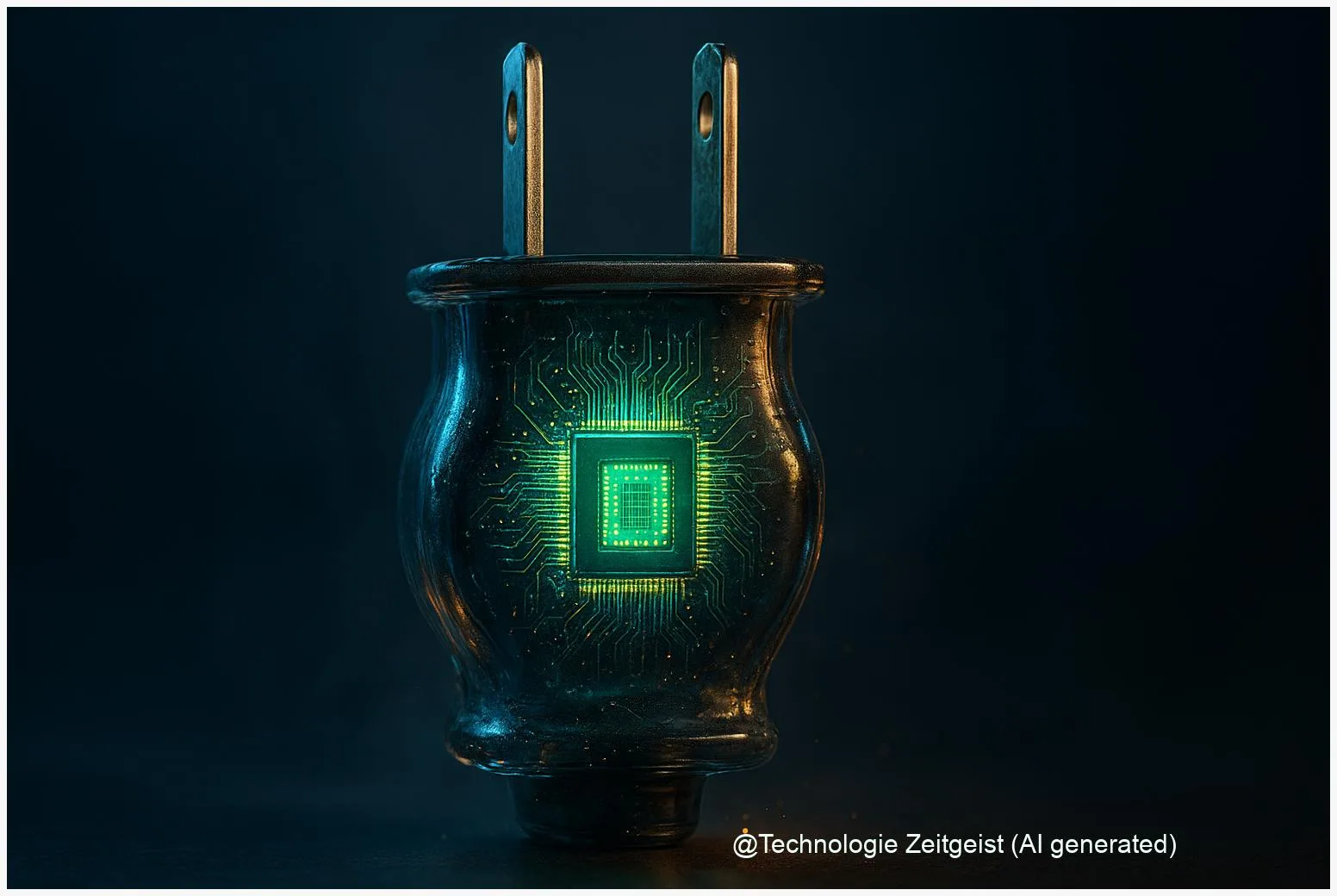
Google Intersect Power marks a strategic purchase: Alphabet agreed to buy Intersect for $4.75 billion plus assumed debt to secure several gigawatts of clean generation for AI workloads and co‑located data‑center projects. The deal aims to reduce grid delays and speed new data‑center builds.
Key Facts
- Alphabet announced a $4.75 billion cash deal to acquire Intersect Power, plus the assumption of some debts.
- The purchase includes a pipeline of “multiple gigawatts” in development to serve AI‑heavy data‑center demand.
- Certain existing operating assets in Texas and California are reported as excluded from the deal.
Introduction
Who: Alphabet (Google) and Intersect Power. What: a $4.75 billion acquisition announced in December 2025, expected to close in H1 2026. Why it matters: the deal gives Google direct control of generation and storage capacity to match fast‑growing AI electricity needs and to cut delays caused by congested local grids.
What is new
On 22 December 2025 Alphabet announced an agreement to acquire Intersect Power for $4.75 billion in cash and the assumption of unspecified debt, with a closing anticipated in the first half of 2026. The companies say the package includes Intersect’s development team and a pipeline described as “multiple gigawatts” of generation and storage aimed at co‑located energy parks next to data centers. Intersect has stated larger asset figures for projects in operation or under construction, while press summaries report around 10–11 GW in planned projects through 2028. The statement also notes that some existing operating assets in Texas and California are excluded from the sale.
What it means
The purchase signals a shift from buying power through contracts to owning generation that can be timed with data‑center demand. Tech firms often use PPAs — power purchase agreements — which are long contracts to buy electricity; here, Alphabet moves toward owning the plants themselves to reduce delivery risk. Co‑located energy parks (generation and storage built close to data centers) help avoid long grid interconnection queues and local bottlenecks, so new AI capacity can come online faster. Risks remain: regulators may review the deal, permitting and transmission work can slow projects, and assumed debts may affect financial outcomes.
What comes next
Next steps include regulatory and funding checks ahead of the expected H1 2026 close. Watch for an Alphabet SEC filing (Form 8‑K) and more detailed schedules listing which projects and liabilities transfer. If the deal advances, the practical phase will be permitting, grid interconnection work and building firming capacity such as batteries or backup generation so AI data centers get reliable 24/7 power. Competitors and utilities may respond with their own supply strategies, and local communities will see permitting and grid planning as key milestones.
Conclusion
The Google Intersect Power deal is a clear sign that AI growth is reshaping how big tech secures electricity: ownership and co‑location are being used to manage speed, reliability and emissions. For users and markets, the practical effect will be faster data‑center rollouts but also closer scrutiny of permitting, grid impacts and financial risk.
Please share your thoughts or questions below and share this piece with colleagues interested in AI infrastructure.

Leave a Reply