
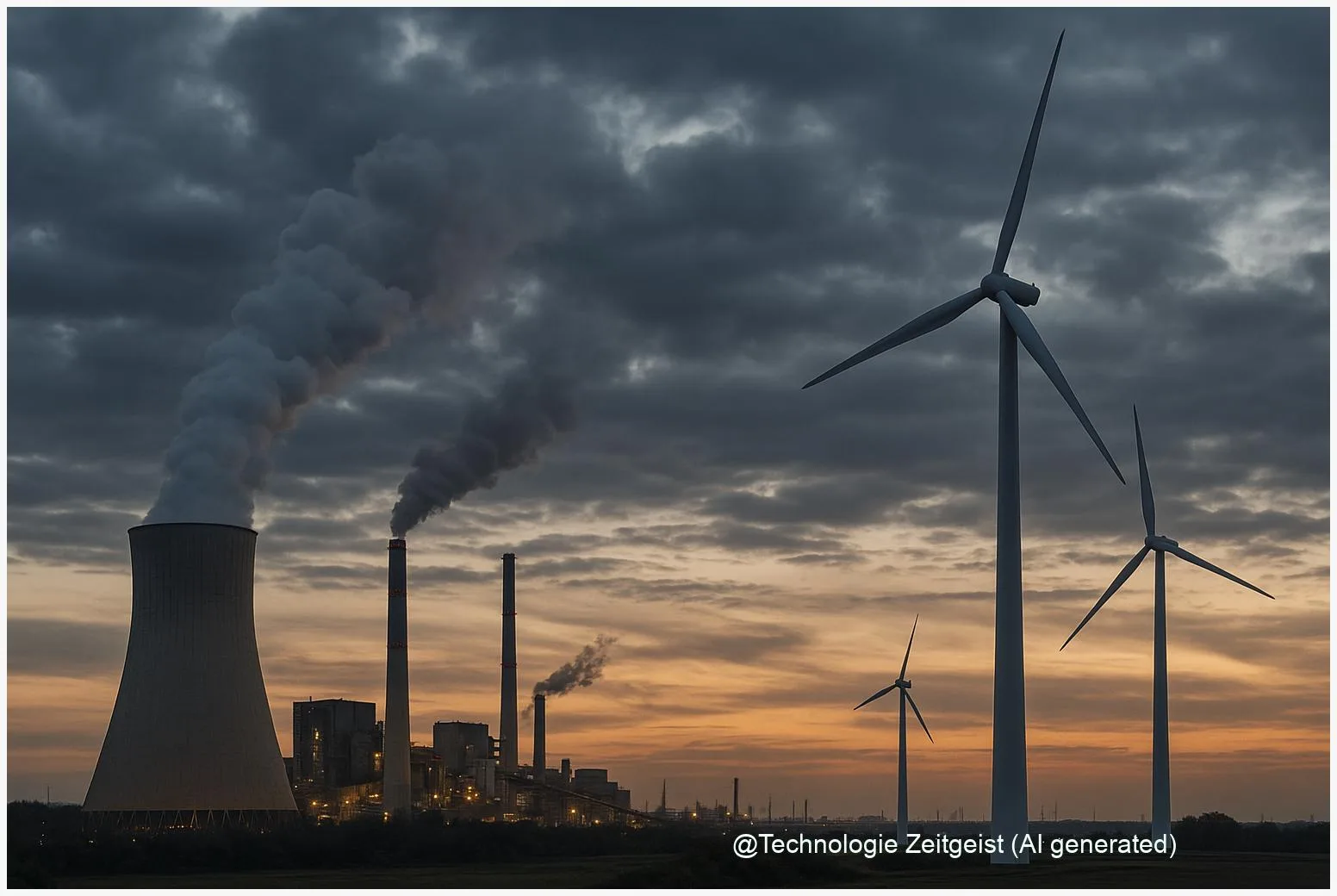
Global CO2 emissions reached a new high in 2025, driven largely by higher fossil-fuel use in power generation and stronger industrial output. The question “Why did global emissions rise in 2025?” sits at the centre of this article: the answer combines sector shifts (power, steel, cement), uneven renewable rollouts, and preliminary data limitations. The short-term rise underlines how current policies and investments still fall short of the rapid decarbonisation needed to meet stringent climate goals.
Introduction
Reports published in 2025 show that global CO2 emissions rose again and reached a record level. For readers wondering whether this matters for daily life: it does, because emissions determine how fast the planet warms and how often extreme weather hurts communities and the economy.
Numbers cited by major data groups are preliminary and differ slightly; typical estimates put total fossil-fuel and industrial CO2 emissions for 2025 in the range of about 36–38 GtCO2. Short-term changes of a single percentage point are small relative to the total, but they matter because each year’s excess emissions add to the long-term carbon budget that limits warming. This article lays out the main drivers, explains where the figures come from, and clarifies what follows for policy and everyday choices.
Why did global emissions rise in 2025?
Short answer: more fossil fuels in power and higher industrial production. Official and independent trackers reported that 2025 saw a modest rise in CO2 compared with 2024. Much of that increase is tied to electricity generation where coal and gas use rose in some regions, and to industry—particularly steel and cement—where demand climbed.
Analysts note differences between datasets (top-down atmospheric methods versus bottom-up energy accounting) can create year-to-year spreads roughly equivalent to about 0.5–2 GtCO2, which helps explain why reports sometimes phrase the result as a provisional “record.”
| Feature | Description | Typical contribution |
|---|---|---|
| Power generation | Higher coal/gas use in some regions | Major |
| Industry | Steel, cement: increased production and limited fuel switching | Major |
| Transport | Continued growth in road and aviation demand | Moderate |
How the rise showed up in everyday systems
The 2025 increase showed up in three familiar ways: higher electricity generation from fossil plants, busy factories, and more fuel burned for transport. In countries where grids still rely on coal, more electricity demand tends to translate quickly into higher CO2.
Many industrial processes still require high-temperature heat that today comes from fossil fuels. Replacing those heat sources involves expensive equipment changes—electric furnaces, hydrogen, or carbon capture—so factories often delay upgrades until the business case becomes compelling.
What this increase means for risks and choices
A single year’s rise does not decide the climate outcome alone, but it changes where we sit relative to the carbon budget that limits warming. Persistently higher annual emissions make the required cuts in the next years steeper.
From a planning perspective, 2025’s record highlights two practical points: short-term signals can overwhelm gradual improvements from policies, and measurement and transparency matter so decisions can target the right sectors.
What could happen next and practical levers
Immediate, high-impact levers include speeding up permitting and grid upgrades for renewables, incentivising early retirement of inefficient fossil plants, improving industrial energy efficiency, expanding recycling, and deploying methane-reduction measures. These actions can reduce emissions within a few years.
For households and businesses: energy efficiency, using low-carbon electricity where available, and favouring circular materials help lower demand and ease the transition.
Conclusion
The 2025 record is a reminder that commitments without timely implementation leave a gap that shows up quickly. The core reasons for the rise are higher fossil-fuel use in power generation, stronger industrial output where low-carbon options lag, and year-to-year variability in land-use sinks. Faster deployment of renewables, efficiency, industrial decarbonisation and transparent monitoring together make the difference.
We welcome civil, informed discussion — share this article and let us know your perspective.




Leave a Reply