
Insights
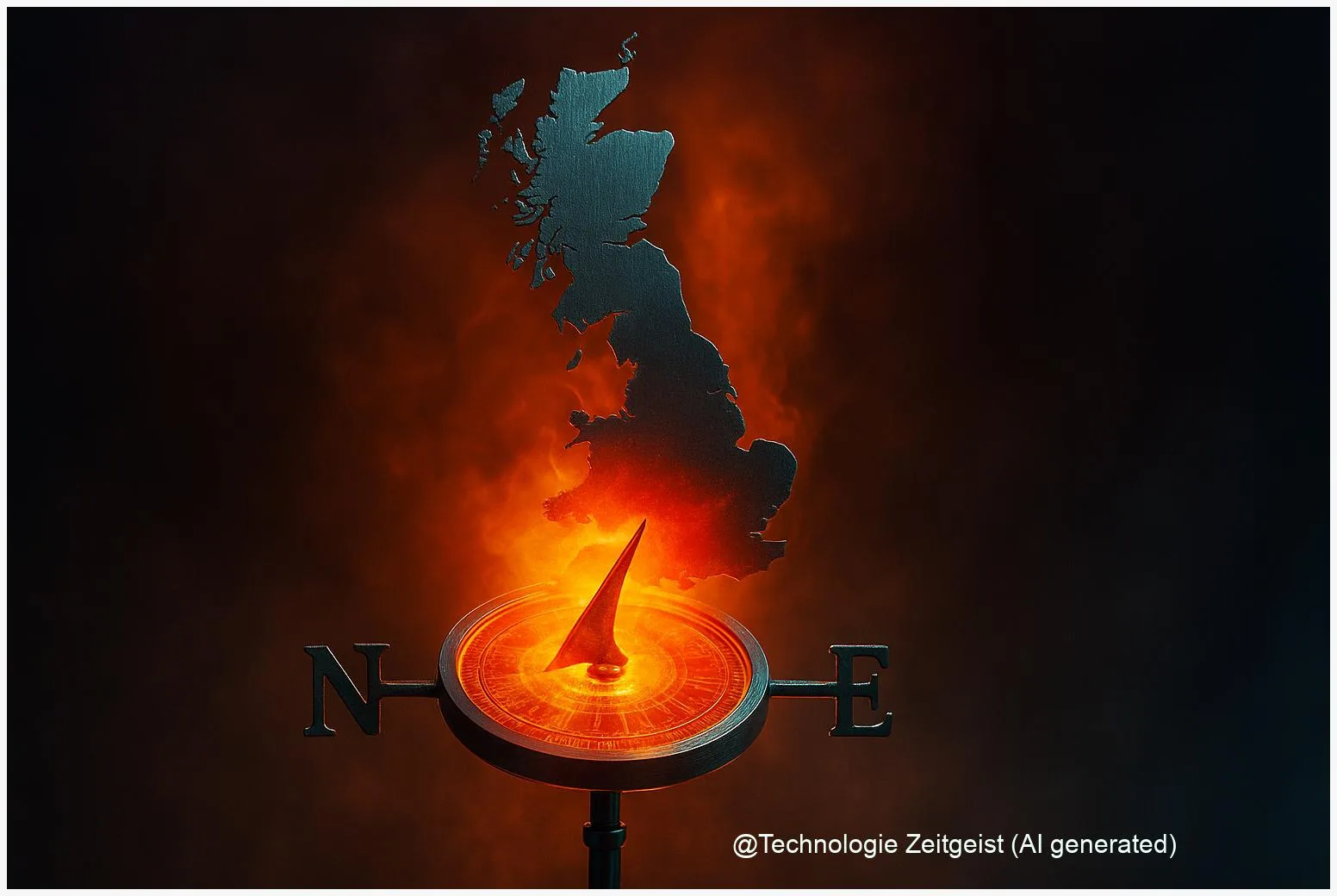
Provisional figures show the UK climate record 2025 set two national marks: a mean temperature of 10.09 °C and 1,648.5 hours of sunshine. These numbers matter because they affect water, crops and energy — and scientists link the odds of such a year to human-driven warming.
Key Facts
- Met Office provisional: UK annual mean temperature 2025 = 10.09 °C, the highest in records back to 1884.
- UK total sunshine in 2025 = 1,648.5 hours, about 61.4 hours more than the previous record from 2003.
- Met Office rapid attribution estimates human influence made this warm year roughly 260 times more likely.
Introduction
Who: the Met Office released provisional national data. What: 2025 registered new UK records for temperature and sunshine. When: the figures cover the full year 2025 and were published in early January 2026. Why it matters: the UK climate record 2025 highlights growing risks for water supply, farming and summer energy demand.
What is new
The Met Office’s provisional annual statement shows two national records for 2025. The UK’s average temperature for the year was 10.09 °C, the highest in the long series. Total recorded sunshine reached 1,648.5 hours for the year; “sunshine hours” count how many hours bright sunlight was measured by weather stations. Rainfall across the UK was close to normal overall, but seasonal details varied a lot between regions. The release also included a rapid attribution study that links the unusual warmth strongly to human-caused climate change.
What it means
Practically, hotter and sunnier years change how people plan for water, food and power. More sunshine can boost solar power but also raises evaporation, which stresses reservoirs and soils. Farmers may face altered planting windows and higher irrigation needs. Public health services must prepare for more heat-related illness in warm spells. Scientifically, the Met Office’s rapid attribution—an approach that estimates how much human-caused warming changed the odds of an event—says this kind of year is now far more likely than in a pre‑industrial climate.
What comes next
The Met Office labels the figures as provisional, so small revisions are possible when final datasets are checked. Scientists and planners will next compare these numbers with other records from Copernicus and the World Meteorological Organization to confirm the national picture. Researchers will also publish fuller attribution details and peer‑reviewed studies that explain how ocean temperatures and persistent high‑pressure systems combined with long‑term warming to produce the 2025 outcome. Meanwhile, local authorities will review drought plans and energy forecasts ahead of the coming seasons.
Conclusion
The UK climate record 2025 shows how national weather patterns are shifting toward warmer, sunnier years. That shift matters for water management, agriculture and energy planning, and the Met Office’s rapid attribution points to a strong human influence. Expect follow‑up analyses and regional checks in the coming months.
_Join the conversation: share this article and tell us how local weather changes affect your community._




Leave a Reply