
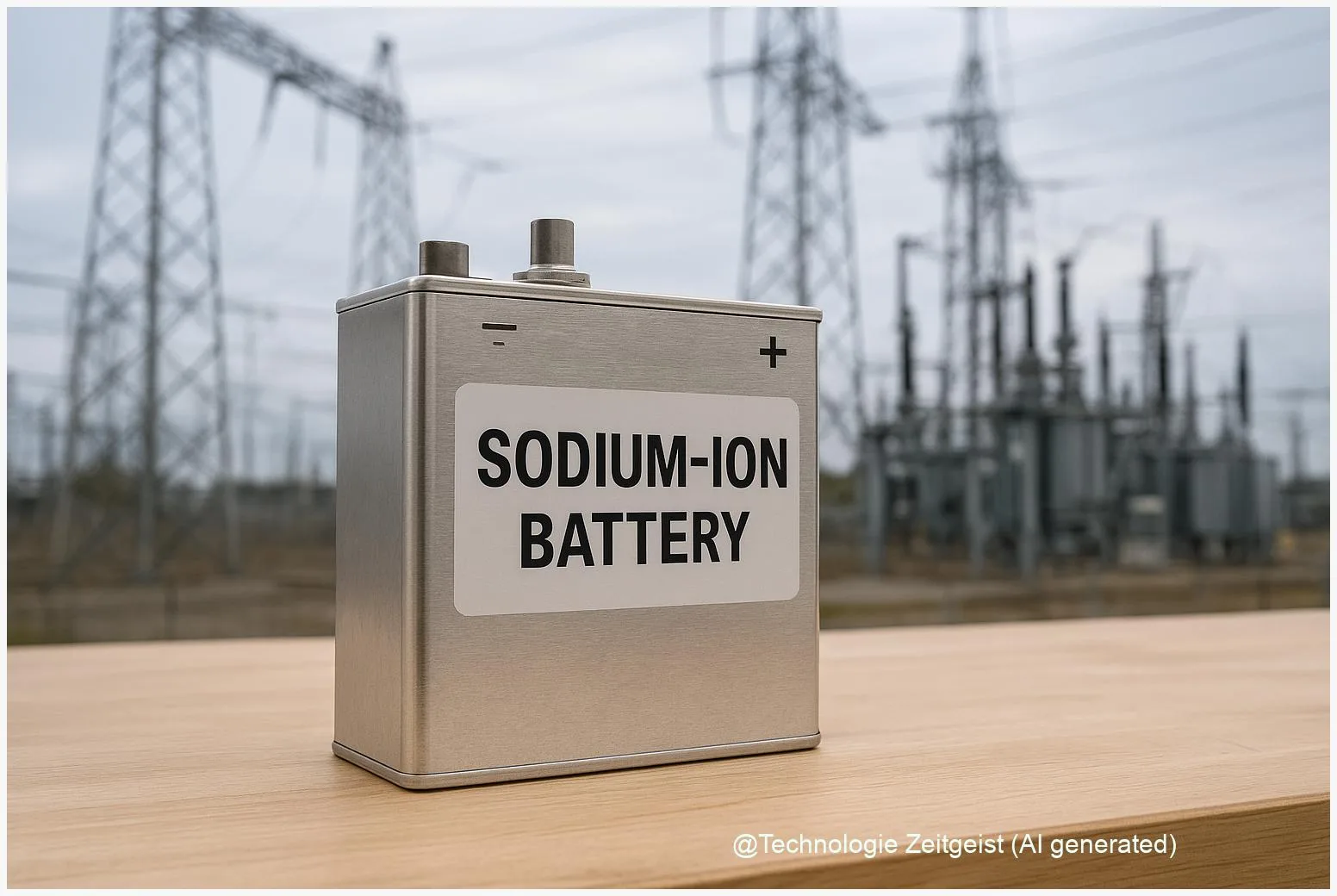
Sodium‑Ion Battery technology is gaining attention as a lower‑cost alternative to lithium systems because it replaces scarce materials with abundant sodium. For utilities and budget‑minded electric vehicles, the main advantages are cheaper raw materials and simpler chemistry, while trade‑offs remain in energy density and proven lifetime. This article looks at how a Sodium‑Ion Battery works, where it already fits economically, and what to watch for as manufacturers scale production.
Introduction
When operators add more wind and solar to a power system, they need affordable, reliable ways to store electricity for hours or days. Likewise, carmakers seek lower‑cost batteries for entry‑level electric cars and commercial fleets. Sodium‑Ion Battery designs substitute sodium for lithium in the active chemistry. Sodium is common, cheap, and widely available, which reduces a major raw‑material pressure.
That advantage sounds straightforward, but battery performance depends on many factors: energy stored per kilogram, how fast the cell can charge and discharge, how many cycles it survives, and how cells are assembled into packs with cooling and control systems. The result is that sodium‑based cells may already be cost‑attractive in some cases while remaining behind lithium systems in range or compactness. The next sections explain the basics, give everyday examples, weigh the trade‑offs, and describe plausible near‑term developments.
How a Sodium‑Ion Battery works
A Sodium‑Ion Battery operates on the same basic idea as many lithium rechargeable cells: ions move between two electrodes through an electrolyte during charge and discharge. A technical term: an ion is an atom with an electric charge; in this case sodium ions (Na+) carry charge instead of lithium ions (Li+). The electrodes store ions in their structure — common combinations use a sodium‑containing layered oxide at the positive side and hard‑carbon or other sodium‑friendly materials at the negative side.
Key physical differences explain performance gaps. Sodium ions are heavier and larger than lithium ions, so they typically carry less charge per weight and may sit in electrode materials less densely. That reduces energy density: a given cell with sodium chemistry usually stores fewer watt‑hours per kilogram than an equivalent lithium cell. On the other hand, sodium can be sourced from sea water or abundant minerals, lowering material cost and supply risk.
Chemistry swaps matter, but system design decides value: the same cell chemistry can behave very differently when packed into an automotive battery or a grid locker with simpler thermal controls.
Manufacturers tune additives, binders and electrode structures to improve cycle life and charging speed. Some designs use a NASICON‑type ceramic scaffold in the cathode to help sodium move more freely; others rely on optimized hard‑carbon anodes for stable insertion and extraction. These technical choices change how a Sodium‑Ion Battery performs at low temperatures, under fast charging, and over thousands of cycles.
If numbers help, typical published ranges from 2024–2025 show energy density for sodium cells around 100–150 Wh/kg in many laboratory and early‑production reports, while some manufacturers claim higher values under specific test conditions. Cycle life varies by chemistry and test method; documented figures can range from a few hundred full cycles to several thousand under gentle operating windows. These numbers require careful comparison because test definitions differ across studies and announcements.
If a short table clarifies, the most useful comparison is how sodium stacks up versus common lithium formats in plain terms.
| Feature | Description | Value (typical) |
|---|---|---|
| Energy density | Stored energy per kilogram | Sodium‑Ion: 100–150 Wh/kg; Li‑NMC: ~200–260 Wh/kg; LFP: 140–180 Wh/kg |
| Cycle life | How many charge/discharge cycles before capacity falls significantly | Sodium: hundreds–several thousand (depends on test); LFP often 2k–5k cycles |
| Best fit | Applications where cost or supply matters more than compactness | Grid, stationary storage, budget EVs, cold‑climate start batteries |
Everyday uses: grids, stationary storage and cars
For power grids, cost per stored kilowatt‑hour often matters more than weight or size. A Sodium‑Ion Battery can cut raw‑material costs because sodium and iron (or other abundant elements) replace nickel or cobalt. That makes sodium attractive for utility‑scale installations intended to shift solar output by a few hours, smooth short‑term fluctuations, or provide frequency services where cycles are frequent but compact energy density is not crucial.
In residential storage, homeowners choose systems for price, warranty and usable capacity. Sodium‑based packs could lower purchase prices and simplify supply chains, which matters where installers need predictable margins. For commercial fleets and buses, robustness and lifetime are key; some sodium chemistries promise improved calendar life at moderate temperatures, which can reduce total cost of ownership over years.
Electric cars are more demanding. Range, weight and charging speed remain central selling points. Sodium‑Ion Battery packs currently tend to offer shorter range for the same mass compared with flagship lithium cells. That said, in 2025 some manufacturers introduced compact EV models with sodium chemistry aimed at urban drivers where lower cost and acceptable range are more important than long highway trips. In those niche vehicles, reduced material cost can translate into lower purchase price or higher margins for automakers.
Beyond transport and grids, sodium‑based batteries can serve as auxiliary systems such as start‑stop units, backup power in telecom stations, or battery systems in off‑grid solar installations. These uses share a common requirement: cost reliability over peak energy density.
Opportunities, limits and real costs
The principal opportunity is supply resilience. Lithium and several battery metals have concentrated production and volatile prices. Sodium is widely available, which reduces geopolitical and supply risks. For policy makers and utilities planning large deployments, this is a relevant factor when deciding between technologies.
However, headline cost advantages can shrink once full system costs are included. A battery pack contains cells, housing, thermal management, sensors and a battery‑management system (BMS). If a sodium pack needs more material to reach a target range or requires more cooling, the advantages from cheaper active materials diminish. Manufacturers also price for production scale: until factories reach high throughput, unit costs remain higher than theoretical raw‑material savings suggest.
Another tension concerns claims versus independent data. Some manufacturers published ambitious figures for cycle life and energy density in 2025. These announcements are important signals, but independent laboratory or third‑party pack tests often reveal more conservative real‑world figures because they apply standard test protocols that make comparisons fair. Readers should check whether a figure is a manufacturer specification, a lab result, or an independent field test.
Environmental and recycling considerations are mixed. Sodium‑based chemistries avoid some of the most problematic elements used in certain lithium cells, but recycling processes still need development and logistics. For long‑term sustainability, battery design that eases disassembly and material recovery matters just as much as raw‑material abundance.
Where the technology could go next
Near‑term progress depends on three linked developments: scaled manufacturing, independent validation, and supply‑chain maturity. If factories reach higher volumes, price per kilowatt‑hour should fall; if independent labs confirm long cycle life and reasonable energy density, buyer confidence will grow. Agencies such as IRENA and academic reviews track these metrics and provide cautious roadmaps for adoption.
Technical refinements are likely to focus on improving electrode materials that accept sodium more densely or on hybrid approaches where sodium is combined with other elements to balance energy and durability. Improvements in binders and electrolytes also raise charging speed and low‑temperature performance, which helps EV use cases in cold climates.
For readers deciding what to watch: follow independent test reports, pilot projects by utilities, and early production metrics (capacity built per year). A credible sign of maturity will be repeated, third‑party cycle tests at cell and pack level, clear warranty terms from producers, and operational data from grid and fleet pilot deployments.
In short, Sodium‑Ion Battery technology is moving from lab to market in stages. Where cost and availability are decisive, sodium systems may already make sense; where compact energy and established long‑range performance matter most, lithium systems still lead. Over the next few years, keep assessing technology claims against neutral test results and real deployment numbers.
Conclusion
Sodium‑Ion Battery chemistry offers a promising path to lower raw‑material exposure and potentially lower upfront costs for energy storage. It tends to trade energy density and, in some cases, fast‑charging capability for cheaper inputs and a simpler supply chain. That makes sodium especially relevant for stationary storage, budget EV models and auxiliary battery roles. Still, many performance claims in 2025 need independent verification, and full system costs matter as much as cell chemistry. The sensible view is to treat sodium as a complementary option to lithium: better in some contexts, less suited in others, and likely to be one part of a diversified battery landscape.
Share your thoughts or experiences with battery choices and local storage projects — a practical exchange helps others decide.

Leave a Reply