
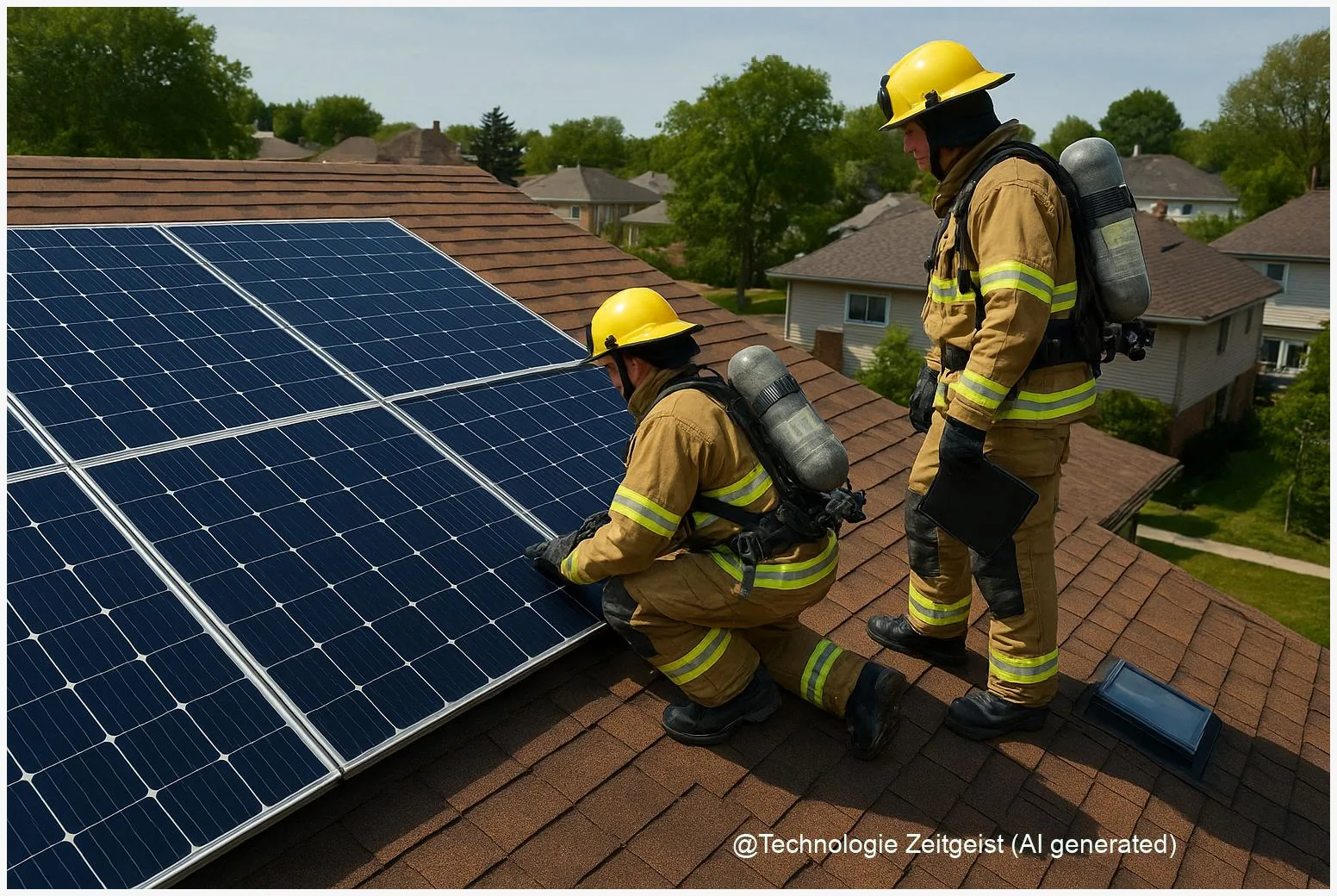
Photovoltaik Brandschutz is increasingly relevant as more roofs get solar panels. This article shows how rooftop PV fires typically begin, which components and situations raise the risk, and which planning and technical measures reduce danger. Readers will learn which installation choices, inspection routines and device types matter most for a safe system that fits everyday use.
Introduction
Rooftop solar panels are now common on homes and businesses, yet their electrical design differs from household wiring in one important way: panels produce direct current (DC), which behaves differently in faults than the alternating current (AC) in sockets. That difference matters because some of the most serious PV-related incidents start on the DC side—at connectors, in junction boxes or where cables are damaged.
For residents and building managers this creates a practical problem: how to enjoy clean energy without raising the risk of fire. Firefighters and insurers also face special challenges when attending PV-equipped roofs, because panels can keep producing voltage as long as sunlight falls on them. The following chapters explain the technical basics in plain language, describe the most useful safety measures for design and maintenance, and point to realistic future improvements.
Photovoltaik Brandschutz: how PV fires start
At the component level, most PV-related fires begin where electricity meets physical wear, poor contact or mechanical damage. A key mechanism is an electric arc: when a conductor is broken or has a loose connection, the current can jump a gap and create a high-temperature plasma. In DC systems such an arc can be sustained more easily than in AC circuits, because the current does not cross zero every half-cycle. The practical consequence: small faults can heat and ignite nearby material.
Common specific causes are loose or corroded connectors, damaged cable insulation, failing junction-box adhesives and defects in module backsheets. Module hot-spots—areas where a cell is shaded or damaged—can overheat and weaken encapsulant materials. Separately, battery storage units introduce other risks such as thermal runaway; storage fires behave differently from module fires and need separate attention.
Most PV incidents are local faults at electrical connections or at the module-box interface, not spontaneous module combustion.
Three simple categories help to keep track:
| Cause | Description | Typical risk |
|---|---|---|
| DC arcing | Loose connector or damaged cable creating a sustained arc | High local heat; ignition of wiring or mounting materials |
| Junction box / connector faults | Water ingress, poor sealing or bad crimping at module terminals | Delayed degradation; intermittent heating events |
| Storage system failures | Battery cell damage, improper ventilation or aging | Thermal runaway; prolonged, hard-to-extinguish fires |
Investigations by research institutions and fire authorities repeatedly show the DC side and connection points as frequent origins. While overall incidence rates vary between countries and reporting systems, recognising these mechanical and electrical weak points is the first step in practical prevention.
Installation practices that reduce fire risk
Good planning starts before the first panel goes on the roof. Proper cable routing, protected entry points, and clear labelling reduce accidental damage during later work. Installers should use certified connectors and torque-specified clamps; a correctly tightened connection stays cooler and is much less likely to start an arc.
Two technical measures often mentioned in reports are rapid shutdown devices and arc-fault detection. A rapid shutdown (sometimes called a firefighter switch) reduces DC voltage in the array to safer levels during an emergency, so crews can work around the system more safely. Arc-fault circuit interrupters (AFCI) are detectors that identify the electrical patterns of dangerous arcs and disconnect the circuit. Note: the NFPA research foundation report is from 2021 and is therefore more than two years old; it nonetheless provides useful engineering guidance on these devices.
Placement matters too. Inverters and combiner boxes should be accessible for inspection and located where leaks or heat do not affect combustible materials. Where roofs are shared by multiple users or the design is complex, a documented single-line diagram and clear rooftop labelling are practical aids for emergency services. For new installations, manufacturers’ compatibility lists, accredited installers and a commissioning protocol with test records help ensure the system behaves as intended once sunlight hits the modules.
Maintenance, inspections and real-life prevention
Routine maintenance is where planning becomes action. Inspections should include visual checks of connectors, signs of discoloration, and secure cable clamps. Thermal imaging cameras—handheld devices used by many installers—reveal hot spots that the eye cannot see and help locate failing connections before they cause damage.
Tightening connector torque and replacing damaged parts are low-cost measures with high impact. Roof access procedures reduce the chance of accidental damage during cleaning or repair. It helps if system owners keep a clear log of maintenance, manufacturer serial numbers and installation dates; that record shortens forensic work after an incident and speeds up warranty claims when components fail early.
Firefighters often request an accessible rapid shutdown point and a clear roof plan showing PV locations and cable routes. Training exercises between installers and local fire services pay off: crews learn how to isolate systems safely and operators learn which labels and devices are clearest in an emergency. For storage-equipped systems, ask whether the battery enclosure has a proven venting strategy and how the manufacturer recommends firefighting personnel proceed.
Risks, trade-offs and what comes next
Deploying safety measures is not free of trade-offs. Arc-detection systems can produce nuisance trips if not well tuned, and some rapid shutdown solutions add complexity at the module level. Retrofitting older systems with the latest devices can be costly; prioritising systems by exposure, age and accessibility is therefore practical.
At the industry level, research and testing are refining how to detect dangerous arcs reliably and how to make shutdowns faster and more intuitive for emergency services. Manufacturers are improving connector designs and module backsheets to reduce the chance of ignition. Standards bodies and research institutes are gradually updating guidelines to reflect those improvements; that process can take years, which is why good installation practice and regular inspections remain essential now.
For building owners the sensible balance is clear: professional design and commissioning combined with an inspection routine tailored to the roof type and local climate. Insurers and local authorities often offer additional guidance; involving them early in larger projects reduces surprises later. As PV systems and storage become more widespread, the most effective path to safer roofs will be better components, clearer operational procedures and routine dialogue between installers and emergency services.
Conclusion
Rooftop PV brings clear benefits, but it changes the way electrical faults behave. Most PV-related fires start at connection points, damaged cables or in storage equipment; addressing those weak points through careful design, certified components, and routine inspection reduces the risk substantially. Rapid shutdown and arc-detection devices add layers of protection, while accessible documentation and cooperation with firefighters make operations safer in an emergency. For owners and planners the practical aim is not zero risk—no electrical system can promise that—but a well-documented, professionally installed and regularly checked system that keeps a roof as safe as possible while delivering clean energy.
Join the conversation: if you have experience with rooftop PV safety, share practical tips or questions below and pass this article on to someone planning panels.

Leave a Reply