
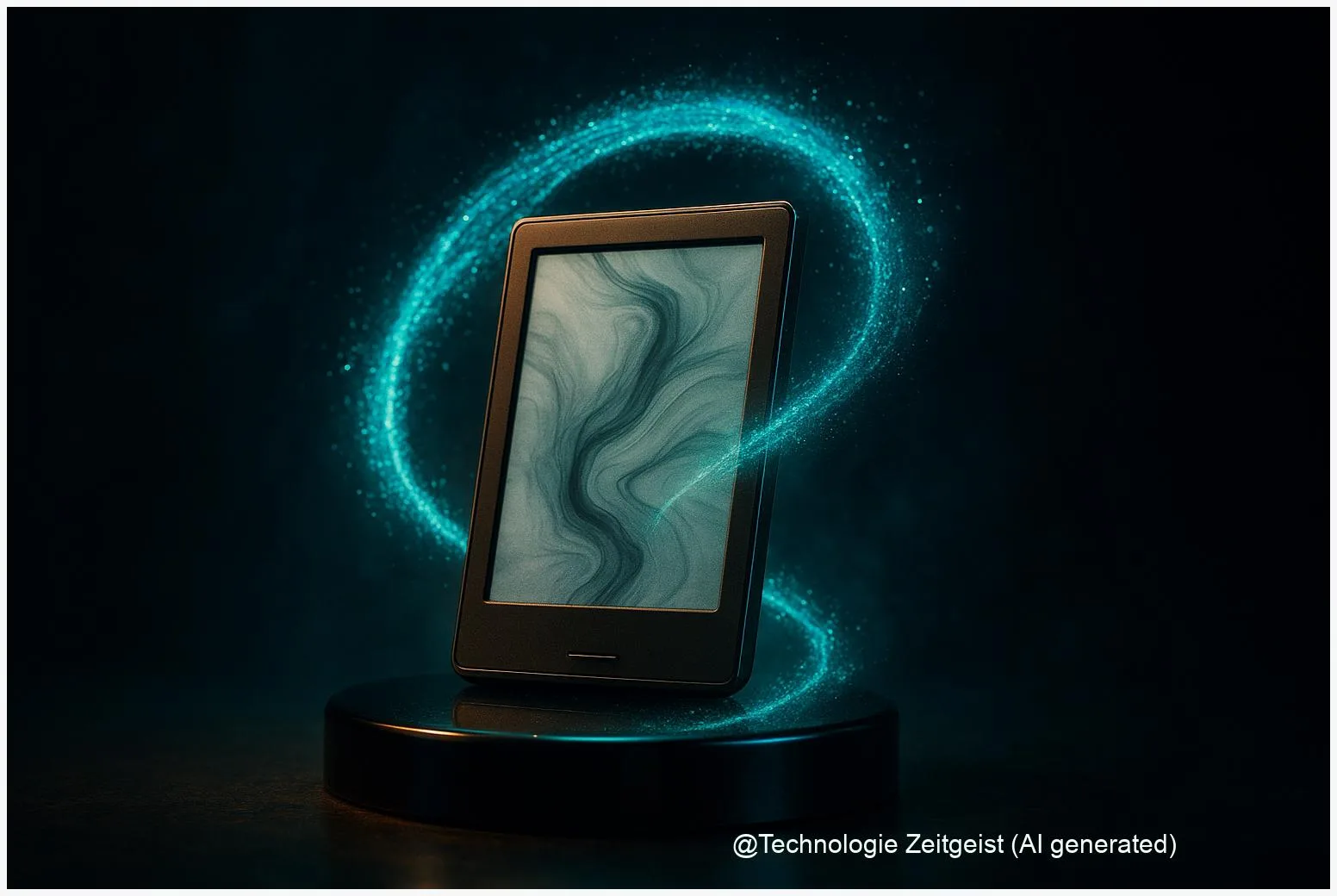
Small, lightweight readers that use e‑ink screens are finding new fans. The pocket e‑reader fits in a coat or jeans pocket, lasts for weeks on a charge and reads like paper in sunlight — qualities that make it useful alongside, not instead of, a smartphone. This article outlines what pocket e‑readers are used for, why the e‑ink technology matters, and how recent hardware and service changes have renewed demand.
Introduction
One frequent annoyance of reading on a phone is glare, short battery life and constant notifications. A pocket e‑reader removes those frictions by focusing on the single task of reading with an electronic paper screen. That brings a different trade‑off: less colour and slower page updates, but longer battery life and far better daylight legibility.
Manufacturers and readers began to re‑explore smaller e‑ink devices around 2024 and 2025. Advances in panel materials and a wider range of services — library lending, subscription bundles and simpler file management — made compact models more attractive. The following sections explain the technology basis, real‑world uses, trade‑offs, and plausible next steps for readers and buyers.
Why pocket e‑readers exist
At its simplest, a pocket e‑reader is a small device built around an e‑ink display. E‑ink (electronic ink) is a display technology that reflects light the way paper does and needs power mainly when the screen changes. Those two properties — reflection like paper and extremely low standby power — explain why dedicated e‑readers have persisted even as phones improve.
Historically, e‑readers focused on larger screens (6–8 inches) to match paperback sizes, because many readers prefer bigger text and fewer page turns. A pocket form‑factor pushes the balance the other way: 5–7‑inch screens sacrifice visible area for mobility. The goal is convenience: a device light enough to slip into a jacket pocket, strong enough to be read outdoors, and robust enough for travel.
The design question for pocket models is a practical one: how small can a readable, durable e‑ink device be before it loses the value that dedicated readers provide?
Technological progress made pocket e‑readers more practical in the mid‑2020s. Better monochrome e‑ink panels improved contrast and refresh rates, while color e‑ink panels (still pricier) began to serve niche uses such as comics and children’s books. Manufacturers also improved waterproofing, front lights and wireless borrowing from libraries — features that matter more than raw speed for a reading device.
From a market perspective, the pocket category appeals to three groups: people who read short texts on the go, commuters who prefer a dedicated reader for long‑form articles and students who need a distraction‑free device for textbooks and notes. That explains why several vendors started offering compact e‑ink models alongside classic sizes.
How people use pocket e‑readers every day
Use cases for a pocket e‑reader are straightforward and practical. Many owners keep one for commuting: the device slips into a coat or bag and does not demand the same charging routine as a phone. For long train rides or waiting periods, its readable screen and long battery life replace the temptation to switch to social feeds.
For students, a compact e‑reader is a lightweight alternative to textbooks. Monochrome e‑ink is fine for text‑heavy materials and some PDF study guides, and some pocket models now support simple note taking with a stylus. Professionals who travel also use these readers to carry meeting papers or reference manuals without risking distraction from calls or notifications.
There are leisure uses too. Short stories, serialized fiction and magazine articles fit neatly on smaller screens; readers report that a pocket device makes sampling new authors less of a commitment. Color e‑ink models—still a minority—enable comic and illustrated book reading, though at a higher price.
Two platform features raised the practical value of pocket e‑readers: library lending and subscription ecosystems. Library integration lets users borrow books without transferring files manually; subscription bundles give casual readers access to more titles for a fixed monthly fee. These services reduce friction, particularly for younger readers who may prefer an inexpensive, distraction‑free device to a bulk ebook purchase.
For hands‑on guides and hardware context, TechZeitGeist’s coverage of compact consumer devices provides useful orientation. See the piece on presence sensors for an example of how small, focused hardware can change daily interactions and the overview of CES 2026 for trends that affected compact device design in the same period.
Presence Sensors: Smart Homes That Know You Without Cameras
CES 2026: 5 tech trends that will matter all year
Benefits, limits and tensions
A pocket e‑reader’s main benefits are easy to state: longer battery life measured in days or weeks, excellent readability in sunlight, and a focused, notification‑free experience. Those features create a clearer reading context than most phones can provide. For many people, the pocket device is less about replacing a phone and more about reclaiming attention for reading.
At the same time, the category faces three clear limits. First, color and multimedia perform poorly compared with tablets and phones; e‑ink remains best for static images and text. Second, the smaller screen forces more page turns and sometimes makes complex layouts or large PDFs harder to navigate. Third, price sensitivity matters: compact devices compete directly with inexpensive smartphones and refurbished phones, so manufacturers must balance materials, battery size and software features to hit competitive price points.
These tensions also create market trade‑offs. A manufacturer can add a color e‑ink panel and stylus support, but those raise costs and reduce battery advantage. Services that make devices convenient — library loans, cloud sync — depend on partnerships and software maintenance, which are recurring costs. For independent device makers, that recurring software work is often the harder part, not the hardware.
There are also user tensions worth noting. Some readers value a single device that does everything; others prefer dedicated tools for single tasks. The pocket e‑reader bets that a dedicated tool with fewer distractions will keep and grow a specific user base: readers who prioritise long stretches of uninterrupted text and outdoor legibility.
What to expect next
Over the next two years, expect incremental improvements rather than a sudden shift. Panel makers continue to tweak contrast, refresh rates and color filters; these hardware gains let pocket e‑readers become more comfortable for comics and illustrated books, though still at a higher price than monochrome devices. Software improvements — simpler library integration, better PDF handling and smarter font rendering — will often have a larger impact on daily usability than raw hardware changes.
Manufacturers are likely to explore two directions simultaneously. One is refinement: thinner bezels, lighter frames, improved front lights and longer‑lasting batteries aimed at commuters and travellers. The other is niche expansion: small color devices for comics and children’s books, and hybrid models with basic note‑taking for students. Which approach wins depends on price sensitivity and on whether subscription and library services scale across regions.
From a buyer’s point of view, the sensible approach is pragmatic: decide which compromises you can live with. If you want the lightest, most pocketable device for text, a small monochrome e‑ink reader will usually deliver the best battery life and value. If you want colour and drawing, expect to pay more and to accept reduced battery benefits.
For readers who are curious but cautious, borrowing a title from a library app or testing a subscription on a phone before buying a device is a low‑cost way to evaluate whether a pocket e‑reader will change reading habits.
Conclusion
Pocket e‑readers combine a simple idea with carefully chosen trade‑offs: they trade colour and instant interactivity for durability, battery life and readable screens. That combination fits specific reading habits — commuting, long‑form text and distraction‑free study — and has made compact e‑ink devices more relevant again in 2024–2026. Whether the category grows further will depend on modest hardware improvements, deeper service integrations (libraries and subscriptions) and clear price positioning. For many readers, the pocket e‑reader is a small, practical way to keep reading without the noise of everyday devices.
Join the discussion: share your experiences with compact e‑readers and which features mattered most to you.

Leave a Reply