
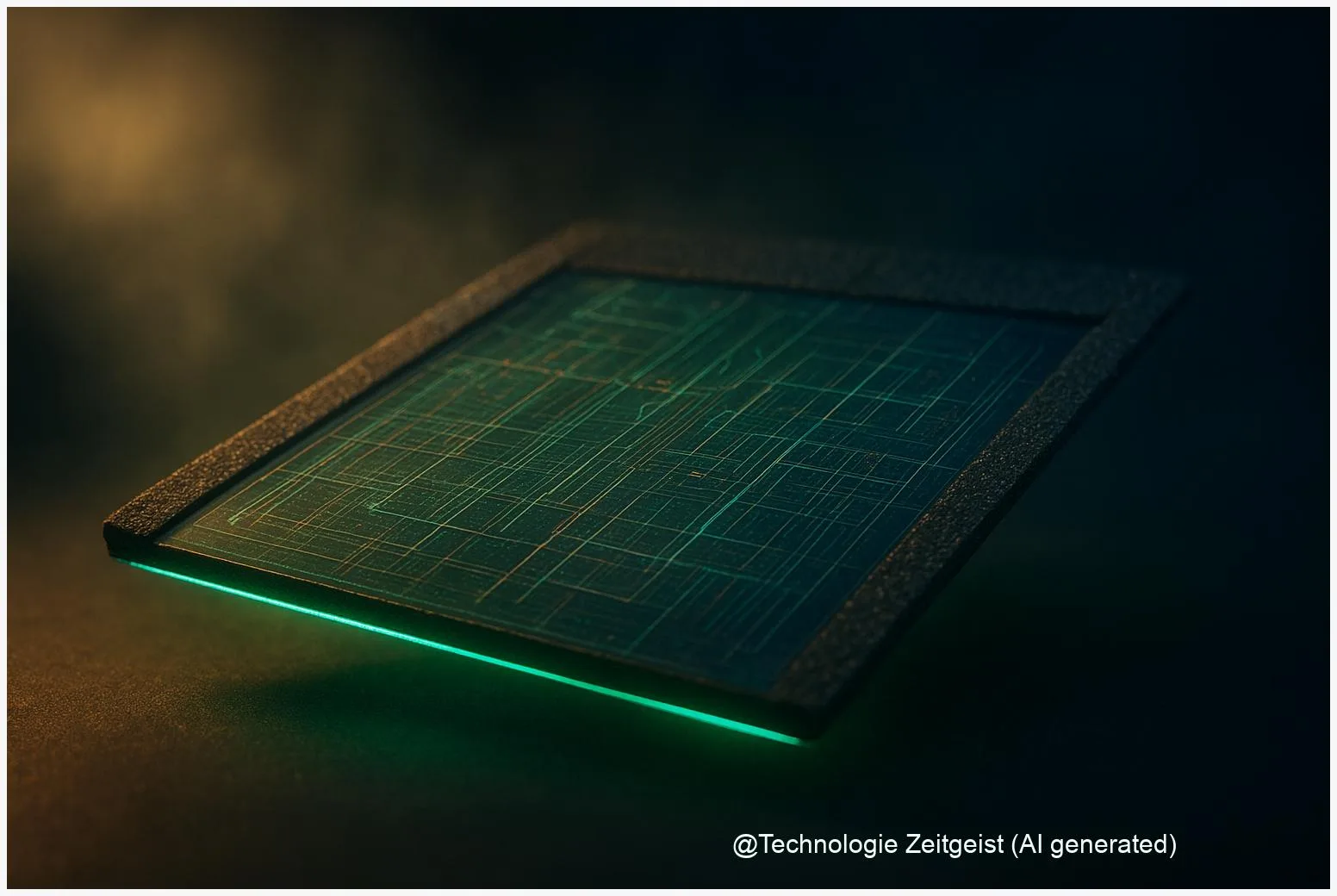
Solar Roofs: How Invisible Panels Could Change Homes
Solar roofs integrate photovoltaic cells into roofing materials so the roof both sheds water and generates electricity. They can reduce visual bulk compared with rack-mounted arrays and may simplify installation during new construction, but they require coordinated waterproofing, fire-rating, and electrical integration.
How they work
Photovoltaic cells are embedded in tiles, glass panels, or prefabricated cassettes. DC power from the cells is sent to inverters (central or module-level) and then used in the home or exported to the grid. Key trade-offs include cell efficiency, mechanical integration (sealing and load-bearing), and electrical architecture (shading tolerance and wiring).
Everyday experience
Replacing a roof with integrated PV resembles a typical reroof project but needs tighter coordination between roofing and electrical trades. Owners may appreciate improved aesthetics and reduced racking but should expect careful maintenance and realistic yield estimates because orientation and shading often reduce per-area energy compared with optimally tilted panels.
Opportunities and risks
BIPV (building-integrated photovoltaics) can lower labor on new builds and expand usable surface area for solar. Risks include regulatory and insurance uncertainty, harmonized testing needs (fire, wind uplift, durability), and end-of-life recycling challenges for multi-material products.
Outlook
Progress in standardization, monitoring datasets, prefabricated cassettes, and improved cell materials (including tandem cells and semi-transparent options) will make solar roofs easier to specify and compare. Wider adoption depends on credible long-term data, clear standards, and financing that recognizes combined roofing-and-energy value.



Leave a Reply