
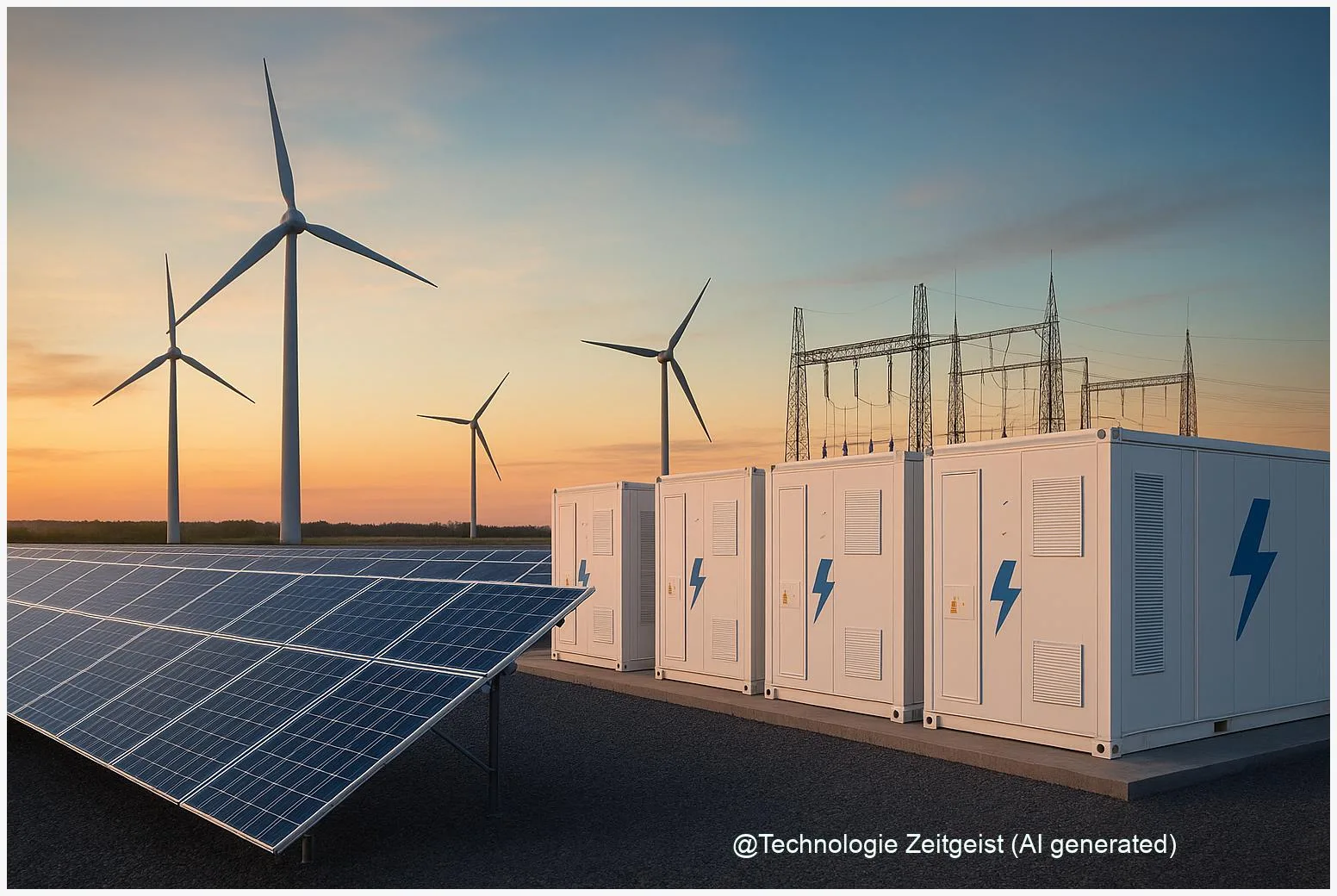
In 2026 the balance of power in electricity systems could shift more clearly toward renewables. Renewable energy 2026 will be shaped by faster battery deployment, new electricity market rules, and simpler permitting that together reduce wasted generation and make green power easier to use. This article shows which concrete changes are likely to matter for households, grids and companies, and why those changes could allow renewables to supply a clear majority of daily electricity in many regions.
Introduction
Are your energy bills unpredictable or have you wondered whether the power in your region will still be reliable as more solar and wind come online? Those concerns are common: households and businesses notice price spikes and sometimes see times when sun or wind generate more electricity than the grid can accept. That friction — lost generation and local congestion — is the practical problem behind the question whether renewables can become dominant in 2026.
Two linked changes reduce that friction. First, storage and smarter market rules let surplus generation be used later instead of being curtailed. Second, streamlined permitting and targeted auctions speed up where and how new projects connect. Together, these moves change how electricity is scheduled and paid for so that adding more solar and wind no longer raises the same integration costs as before. The rest of the article breaks these mechanisms down, uses everyday examples, and outlines the main benefits and remaining risks.
Fundamentals: renewable energy 2026 — what has to change
Three technical and policy shifts are the foundation for renewables to move from a large share toward possible dominance in daily electricity supply by 2026: cheaper variable generation (solar and wind), rapid growth of battery storage, and electricity market reforms that reward flexibility.
Variable renewables are solar and wind plants whose output depends on weather. Their costs have stayed on a downward trend: utility solar and onshore wind have become among the cheapest sources of new electricity in many markets. Cheaper generation increases deployment, but alone it does not guarantee high usable output — that requires matching supply and demand across hours and seasons.
Flexibility — the ability to shift when power is used or stored — is the practical key to higher usable shares of renewables.
Battery energy storage systems (BESS) are the fastest to install and the most visible flexibility tool. Short‑duration batteries smooth daily mismatches: they store midday solar and dispatch it in the evening. Longer duration options (pumped hydro, hydrogen for fuels, or emerging long‑duration batteries) address seasonal gaps but are slower to scale.
Market design also matters. Traditional wholesale markets that settle hourly and reward instantaneous generation penalize assets that provide time-shifting. Reforms introduced in 2024–2025 aim to create clearer price signals for flexibility: smaller settlement intervals, clearer ancillary service markets, and procurement of storage or demand response in planning processes. When prices reflect the value of shifting energy, developers can stack revenues from energy, capacity and services — improving the business case for hybrid projects (renewable plus storage).
If a short table helps: the following shows typical strengths and limits of the main technologies.
| Feature | Description | Typical value |
|---|---|---|
| Solar PV | Low cost, daytime generation, quick build | High daytime output |
| Onshore wind | Lower cost per MWh, variable by season | Good complement to solar at night/seasonal |
| Battery storage | Shifts energy intra‑day, fast response | Reduces evening peaks and curtailment |
All three elements must advance together: more solar or wind without storage and market incentives will increase hours of very low prices and curtailment; storage without scaled renewables has limited markets; market reform without physical flexibility limits the measurable gains. When they align, however, the system can absorb more renewable energy securely and cheaply.
How it appears in daily life: homes, cars and factories
Some changes are easy to spot at the household level. A rooftop solar installation combined with a small battery will increasingly let families use the sun’s energy after dusk, reducing peak‑time consumption from the grid. Smart chargers for electric vehicles (EVs) shift charging to midday when solar is abundant, lowering costs and avoiding local congestion.
On a neighbourhood scale, community solar projects paired with shared storage can stabilise local voltage and keep solar output in use rather than curtailed. For factories and large consumers, the most relevant tools are corporate power purchase agreements (PPAs) and demand response contracts. PPAs lock in green power at predictable prices, while demand response pays customers to reduce consumption at peak times — both increase the value of variable generation.
Examples are already practical. In countries with high solar shares, evening price peaks have become smaller where battery uptake and smart charging are widespread. In industry, some manufacturers now coordinate heat pump operation with cheap midday solar, shifting energy-intensive processes into low‑cost windows. These are not universal yet, but policy incentives and simpler market access are making such arrangements routine in more regions.
For individual choices, the practical signals are clearer tariffs and product offers: green tariffs that include time‑of‑use pricing, bundled offers for rooftop solar plus battery, and subscription services that manage home charging. For a typical household considering an EV, a small home battery plus a tariff that rewards midday charging can cut both bills and carbon without complex technical knowledge.
Where people notice the system-level benefits most is reliability. Storage plus distributed generation can reduce the economic impact of short outages and reduce stress on transmission during peak events. That makes a higher share of renewables not just less variable on paper, but less disruptive in everyday life.
Opportunities and tensions to watch
The path toward a dominant share of renewables brings clear opportunities: lower long‑run electricity costs, new local jobs in installation and maintenance, and fewer emissions from power production. But several tensions require attention to avoid unintended outcomes.
First, grid bottlenecks and permitting delays are a recurring barrier. Even when projects are economically viable, slow connection processes and limited transmission capacity create local curtailment. Faster permitting and targeted transmission investments reduce this friction, but they require political will and funding prioritisation.
Second, market rules can create winners and losers. If flexibility markets favour large incumbents with deep pockets, smaller community projects may struggle. Designing auctions and market products that allow aggregation of small assets — such as pooled batteries or demand‑response providers — helps distribute benefits. Equity and access are policy choices, not just technical outcomes.
Third, supply‑chain risks remain. Batteries require minerals and components whose prices and availability can vary. Diversifying suppliers and recycling initiatives will reduce exposure, but transitions in manufacturing take time. That means 2026 could see rapid deployment in some regions and slower uptake elsewhere.
Finally, the human factor matters. Consumer adoption depends on clear offers, visible benefits, and trust in new services. Misleading marketing or poorly explained tariffs slow uptake. Regulators and companies must make contract terms and expected savings transparent so people can make informed choices.
Where this could lead in 2026 and beyond
Scenarios for 2026 differ by region and policy choice, but several plausible outcomes stand out. In markets that combine auctions for renewables with explicit procurement for storage and clearer market access for distributed assets, renewables could supply a majority of daytime and many evening hours. That is what is meant by renewables becoming “dominant” in routine electricity supply: not that the grid never needs other sources, but that most daily demand can be met by green generation plus flexibilities.
Electricity market reforms under discussion in several jurisdictions aim to shorten settlement intervals, create new ancillary service products, and recognise the value of fast frequency response from batteries. Where these reforms are implemented, project economics improve quickly and hybrid projects (PV+BESS, wind+BESS) proliferate. Cross‑border trading and better interconnections also smooth local weather variability and raise the effective yield of renewables at regional scale.
For policymakers the implication is clear: to get to higher usable shares by 2026, coordination is essential. TSOs and regulators need explicit storage targets in their plans, streamlined grid connection processes, and market products that allow small assets to aggregate and compete. For companies and households, the reward is more reliable, lower‑cost green electricity and more control over energy costs.
Even with optimistic policy and technology trends, some fossil‑based backup and seasonal balancing will remain valuable. That argues for pragmatic planning: invest in flexibility and interconnection now, and keep options for longer‑duration solutions under development where seasonal gaps persist.
Conclusion
Renewable energy 2026 is not a single event but the moment when several incremental changes could combine to let wind, solar and storage meet most daily electricity needs in many regions. Cheaper generation, faster storage deployment and smarter market rules are the three levers that make that possible. Households will see clearer tariff choices and more reliable local supplies; businesses benefit from predictable contracts and lower operating costs; grids become less prone to wasted generation when flexibility is properly valued. Risks remain — permitting, market design fairness and supply chains — but these are solvable with targeted policy choices and clear procurement plans. If those pieces fall into place during 2025 and early 2026, then the share of usable renewable electricity will look and feel decisively different to consumers and system operators alike.
Join the conversation: share your experience with solar, batteries or smart tariffs and tell us what worked where you live.

Leave a Reply