
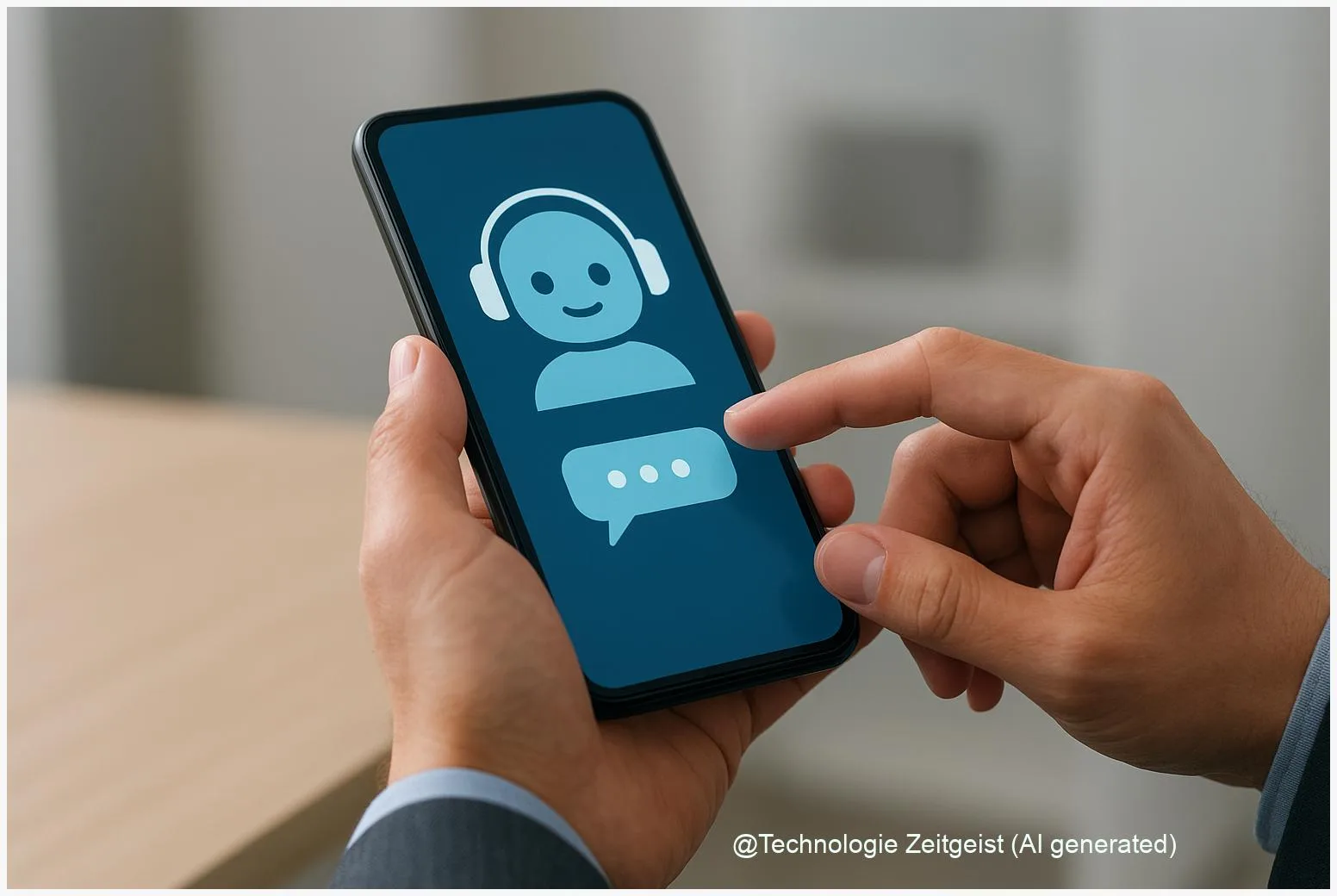
AI personality simulators are software that mimic a humanlike character in conversation. They range from simple chat companions to systems that present a consistent personality over many interactions. Regulators are now treating these products as a distinct category because they combine automated decision‑making, personal data processing and emotional interaction. Understanding how AI companions are likely to be regulated helps users, parents and developers weigh safety, transparency and freedom to experiment.
Introduction
People increasingly talk to systems that present as friends, mentors or role players. These AI companions can cheer someone up, help practice a language or act as a conversational partner late at night. The difficulty is that a friendly voice does not remove the fact that the responses come from an algorithm trained on large amounts of text and user interactions. Regulators now face a basic question: when does a chatbot become a product that needs stronger rules because it acts like a “personality” and may influence emotions, decisions or vulnerable people?
On the legal side, the EU introduced a new, risk‑based AI framework and national data authorities have begun enforcing existing privacy rules against companion apps. Practical policy choices include how to verify user age, how to disclose that a system is automated, and how to demonstrate that training data were collected lawfully. For users and creators the key trade‑off is clear: more safeguards reduce some risks but also add costs and limit novel services. The rest of this article explains the technology, shows common uses, points to concrete tensions and outlines plausible regulatory outcomes that matter for everyday users.
How AI personality simulators work
At its core, a personality simulator is a conversational AI system that is tuned to behave with a consistent tone, preferences and memory of past interactions. The technical backbone is usually a large language model: a statistical system that predicts the next word given prior text. Developers tune such models so the output fits a character profile — for example, polite and upbeat, or blunt and professional.
Two parts matter for regulators. First, the data used to train and fine‑tune the model: scraping public web text, using licensed sources, or reusing anonymized conversations. Second, the operational layer that stores user chats, remembers details across sessions, and applies filters or rules. These choices determine whether the system processes personal data or creates lasting records that can affect privacy and safety.
A system that “remembers” you is more powerful — and more legally sensitive — than one that treats each chat as isolated.
Regulatory frameworks tend to focus on observable functions rather than marketing labels. If a product targets children, or if it profiles people or exerts emotional influence, different legal duties apply. The EU artificial intelligence framework adopts a risk‑based approach: systems that create significant risks to health, safety or fundamental rights meet stronger requirements. In parallel, data protection laws still apply to how conversation logs and training data are handled.
If a compact comparison helps, the following table lists common technical features and the regulatory concern they raise.
| Feature | Description | Regulatory concern |
|---|---|---|
| Persistent memory | System stores past chats to personalise replies | Privacy, consent, deletion rights |
| Personality tuning | Model adjusted to behave with a defined character | Transparency and manipulation risk |
Where AI companions appear in daily life
AI companions are not a single product category. They appear in hobby apps, virtual pet games, mental‑health support tools, customer‑service avatars and language tutors. Some are explicitly framed as helpers; others present as fictional friends or role‑play partners. Users may interact with a companion for minutes or several times a day, and that frequency changes both user expectations and the scope of regulatory interest.
Consider three simple scenarios that highlight different concerns. A teenager uses a free chat companion to practice social skills; a patient uses a therapy‑style app between clinic visits; a customer uses an avatar that remembers past purchases. The teenager case raises age verification and content moderation issues. The therapy adjunct requires strict disclosure that the app is not a licensed clinician and careful handling of sensitive health data. The commerce use triggers profiling and advertising rules.
These everyday examples show why a one‑size‑fits‑all approach is impractical. The same underlying model can power harmless novelty and potentially harmful influence depending on how it is configured and who it targets. Regulators therefore ask not just what a system can do, but how it is used and who will rely on it.
Practically, this leads to layered obligations: clear automation disclosure for all systems; enhanced safeguards when the system targets children or processes sensitive data; mandatory risk assessments for high‑impact uses. These are not hypothetical: recent enforcement actions have applied existing privacy and consumer rules to companion apps that failed to meet these expectations.
Risks, rights and regulation tensions
Regulating AI companions requires balancing user protection with innovation. Several concrete tensions recur in policy debates.
First, transparency versus usability. Users should know they are talking to an AI and whether their chats may be used to improve the product. Clear disclosure supports informed consent but may reduce engagement for apps that rely on perceived authenticity. Second, data provenance versus model capability. Demanding verifiable documentation for every data source strengthens rights but raises costs and may slow research that relies on broad corpora.
Third, protection of vulnerable users versus accessibility. Strong age‑gates or verification can keep children safer, yet they may also introduce barriers for legitimate users who lack identity documents. Finally, enforcement complexity: the EU AI framework sets principles and duties, but national regulators apply them in practice. The recent administrative decision against a popular companion app illustrates how data protection law and the new AI rules interact: authorities scrutinised inadequate age checks, unclear processing grounds and insufficient user information, leading to a significant sanction.
These tensions are partly technical and partly ethical. For example, defining when a system exerts “manipulative” influence requires both behavioural evidence and legal interpretation. Moreover, cross‑border services complicate enforcement: a provider outside the EU can still be reached if its services target EU users. For creators, the safest path is structured documentation, robust opt‑outs for users and early consultation with regulators or trusted third parties.
How regulation might shape future companions
Policy choices now will shape product design. Three likely developments are already visible and matter for everyday use.
One: stronger disclosure norms. Services will likely be required to label interactions clearly as automated and to state whether conversations are retained or used for training. This means companion apps will need concise in‑app notices and simple controls to opt out of data reuse.
Two: minimum safeguards for vulnerable groups. Expect mandatory age checks for services that can influence emotions, together with content moderation tailored to children and people seeking mental‑health support. Developers may be required to build escalation paths that route high‑risk situations to human professionals or emergency contacts.
Three: documentation and auditability. Providers will need to keep technical documentation about model design, training datasets and risk assessments. This increases the cost of small prototypes but improves accountability and enables faster remediation when things go wrong.
For users this means clearer rights: easier deletion of stored conversations, straightforward explanations of how the system decides, and stronger remedies if harms occur. For creators it implies a trade‑off between quick experimentation and the administrative work to stay compliant. Practical measures that reduce friction include using standardized risk‑assessment templates, participating in regulatory sandboxes, and joining sector codes of conduct that define best practices.
Conclusion
AI personality simulators bring new value but also new responsibilities. They mix automated language models, persistent memories and personal interaction in ways that affect privacy, safety and trust. The EU’s risk‑based approach and recent enforcement actions demonstrate that regulators will not treat companion apps as outside the law: transparency, data‑handling and extra safeguards for young or vulnerable users are likely to become standard expectations. For everyday users, the immediate benefit will be clearer notices and stronger control over stored conversations. For developers and product teams, compliance will mean building documentation, implementing age and consent mechanisms, and preparing to explain how their systems work.
If you found this useful, share your experience with AI companions or ask a question — discussion helps clarify what sensible rules should look like.


Leave a Reply