

If you want to replace your current Gmail address but keep every email, contact and file, the Gmail address change is the relevant option to watch. Recent updates mean Google now allows some users to replace an @gmail.com address while preserving the account’s data; availability and limits vary. This article explains what the change actually does, what usually stays linked to your account, and the practical precautions (backups, checking third‑party logins, recovery contact) that avoid surprises.
Introduction
Many people still use the first Gmail address they created — sometimes years ago — and later want something cleaner or more professional. Until recently, Google’s official guidance said a primary @gmail.com username could not be changed: the suggested route was creating a new account and moving data manually. That leaves a lot of work and the risk of losing sign‑ins or purchases linked to the old address.
In late 2025 Google began rolling out a feature that, for a growing number of consumer accounts, lets a user replace an @gmail.com address while keeping the underlying Google Account and its data. Reports and Google support pages indicate the old address usually remains an alias, so messages still arrive. However, the rollout is gradual and reported limits exist, so understanding the details — what moves with the account, what does not, and what to do before you click “confirm” — saves time and prevents locked‑out services later.
Gmail address change: what it actually means
The key idea behind this new option is simple: change the address you type on emails and logins, but keep the same Google Account and everything stored in it — mail, Drive files, Photos, YouTube subscriptions and settings. According to Google support pages and contemporaneous reporting, the account’s data stays intact when the replacement is available for your account. That is why many users call the feature a way to change identity without migrating data.
Google’s official documentation still distinguishes accounts created with a non‑Gmail address from those created with @gmail.com addresses, but recent product rollouts have started to blur that difference for some consumer accounts.
There are, however, important nuances:
- Alias behavior: early reports and support notes say the old @gmail.com typically becomes an alias. That means messages sent to the old address still land in the same inbox; both old and new addresses can often be used to sign in.
- Rollout and availability: the feature is rolling out in phases. Not every account sees the option immediately — Google calls this a “gradual rollout” — and region or language variants sometimes appear first in testing.
- Reported limits: media coverage has cited a temporary lock after change (about 12 months in some reports) and a cap on how many times you can replace an address (reports mention up to three times). Treat these as reported constraints until your account’s own support text confirms them.
If you rely on specific services or purchases tied to your Google Account, the safest stance is to check the official settings path: Google Account → Personal info → Email. Any option to change your Google Account email should appear there if it is available for your account.
If you need a compact comparison, the table below summarizes what typically moves with the account and what may need special attention.
| Item | Typical result when replacing @gmail.com | Practical note |
|---|---|---|
| Gmail messages | Remain in the same inbox | Old address usually acts as alias — emails still arrive |
| Drive, Photos, YouTube | Data stays with the account | Files and subscriptions remain accessible after sign‑in |
How to prepare and perform a safe address swap
When the option appears in your account, it will generally be under Personal info → Email in your Google Account settings. But seeing the control is not the same as being ready to change: a short checklist keeps risk low.
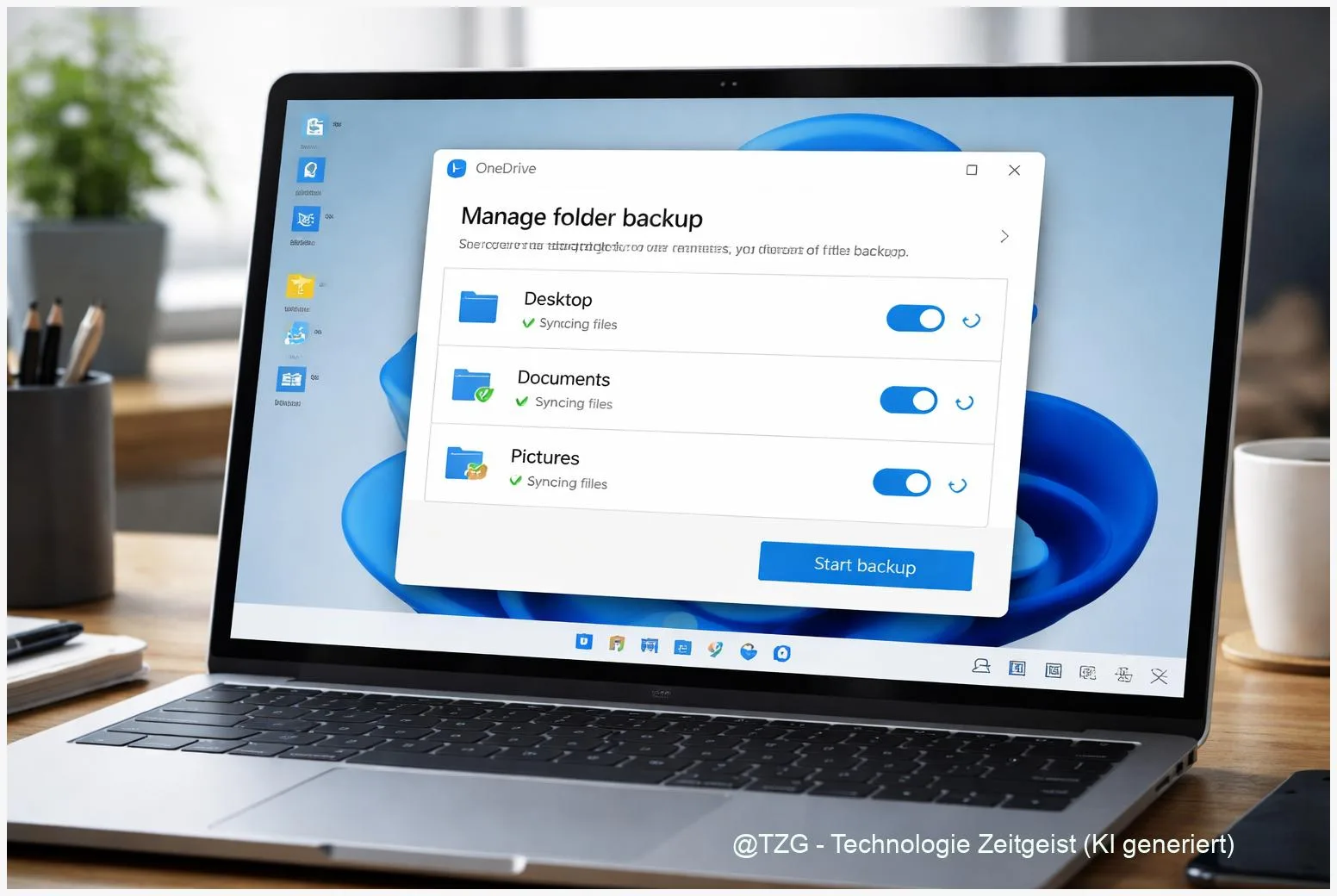
1) Back up before you change. Use Google Takeout to export mail, contacts and Drive files you consider critical. Takeout produces downloadable archives that you can store locally or on another cloud account. Exporting contacts separately is quick and valuable because many services read the contacts list directly.
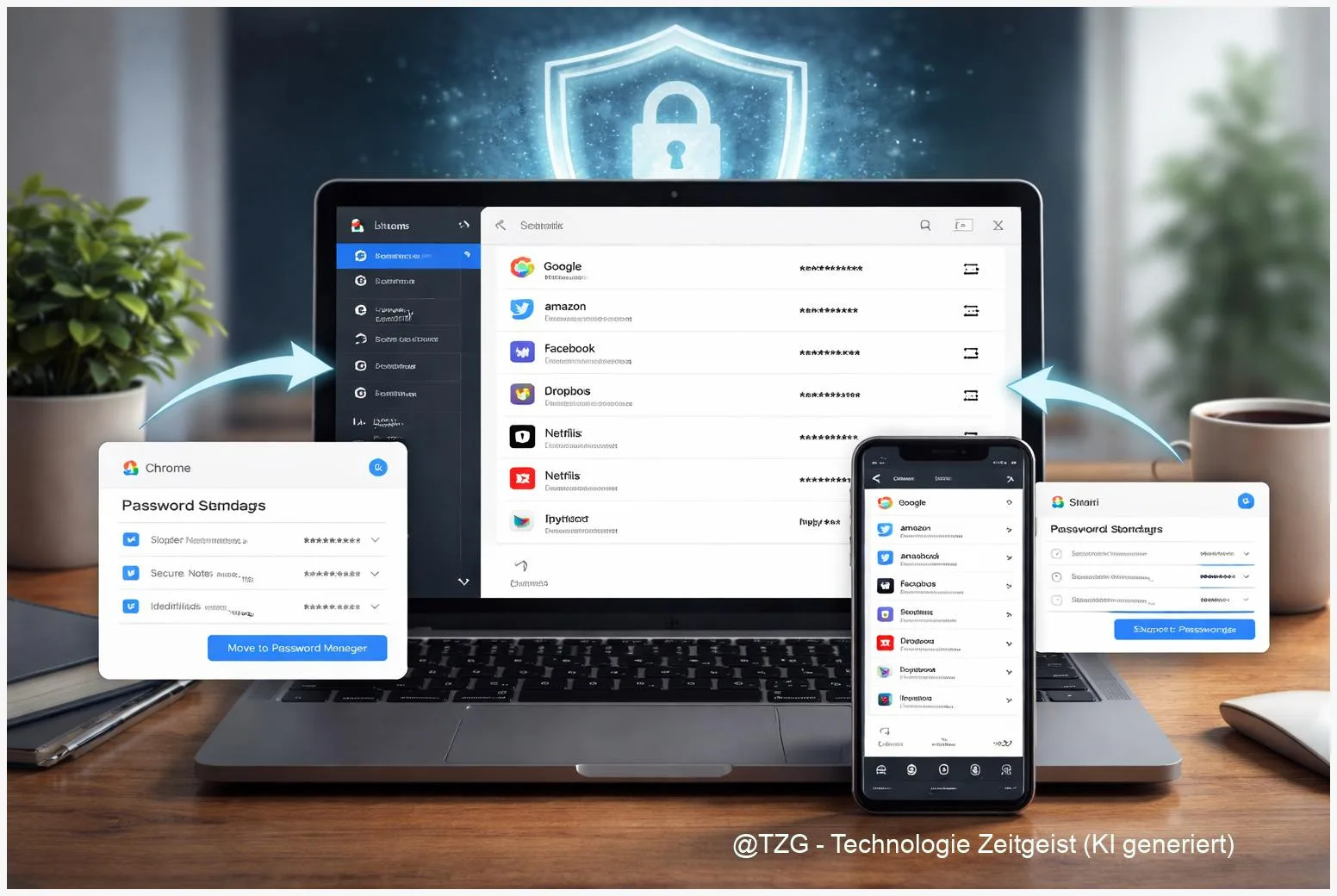
2) Record external logins and subscriptions. Make a list of websites and apps where you use “Sign in with Google” or where your Google email appears in account settings (banks, online stores, streaming services). Some services accept the new Google email automatically; others keep the old email on record and require a manual update.
3) Set recovery and verification. Ensure a recovery email and phone number are current and two‑step verification is enabled. If anything goes wrong during or after the change, recovery options are your fastest route back into the account.
4) Test incrementally. If you manage multiple Google accounts, try the process first on a non‑critical account to learn the steps and any quirks. Keep screenshots or notes of the flow and confirmation emails in case you must contact support later.
5) Expect some follow‑up work. Because reports indicate the old address commonly remains an alias, you might still receive newsletters and promotional messages sent to the old address. Plan a short campaign of unsubscribes, filters and forwarding rules to tidy up incoming mail.
These steps are modest effort compared with creating a new account and migrating everything manually, which used to be the only widely documented option. If your account is managed by an organization (Workspace), consult the administrator before making changes: administrators can restrict email changes or require logging steps the user can’t perform alone.
Everyday consequences and common surprises
For many users the promised benefit is convenience: a cleaner address without moving data. In everyday life, however, small frictions can appear.
Sign‑in behaviour: some services check the email address as an identifier. If a site stored your address when you registered, it may not automatically update to the new address. You may need to visit the third‑party account page and change the registered email manually, or re‑link the account using “Sign in with Google.”
Authentication tokens and saved sessions: changing the primary email does not always refresh all tokens or sessions on other devices. That can lead to repeated re‑authentications on apps or devices until you log in again with the new address or re‑grant permissions.
Purchases and digital products: purchases in Google Play, subscriptions and licenses are tied to the Google Account itself, so they typically remain available. But public invoices or receipts that literally list your old email may still show the previous address; for clarity you might update billing profiles or receipts in services where invoices are important.
Spam and mailing lists: because the old address commonly becomes an alias, switching addresses will not remove you from lists that use the old address. Expect to spend some time unsubscribing or using filters to divert unwanted mail.
Reported limits and temporary restrictions: media coverage has mentioned a possible temporary lock or restriction period (around 12 months in some reports) and a limit to how many changes you can make. Treat these numbers as provisional until you see the precise wording for your account, but plan accordingly — frequent address churn can be disruptive.
If you encounter a service that refuses to recognise the new email, contact that service with proof of account ownership. Keeping a record of the change (confirmation emails, screenshots) speeds resolution.
What to expect in the months after a change
After a successful address replacement, most users will see only gradual follow‑up tasks: updating contact points, reauthorising certain apps, and cleaning mailing lists. But there are strategic things to watch for over the next months.
Monitoring deliveries: for the first weeks, monitor mail delivery to both addresses. Confirm that automated billing messages, password resets and two‑step codes still reach you. If a critical service sends to the old address only, update that service immediately.
Watch for residual identifiers: some systems keep historic records that include the old email. These are often harmless, but if you work with formal suppliers or legal documents that use the old email, update billing and contact records to avoid confusion.
Support and rollback options: because the feature is new and rolling out in phases, support channels may recommend slightly different steps depending on region and account type. Keep the confirmation emails Google sends and the timestamp of the change. If a problem requires Google support intervention, those details shorten troubleshooting.
Policy changes and feature maturity: expect the documentation and available options to stabilise over time. Media reporting has already shown differences between language‑specific support pages and broader documentation; the clearest course is to follow the copy shown in your own account settings and the support links available there.
Finally, if your goal in changing addresses was to reduce spam, note that changing the address without cancelling the old alias will not by itself stop unwanted mail. In that case consider keeping the old alias but setting strong filters, or — if you must cut off the old address completely — use a newly created account and move essential contacts instead.
Conclusion
Replacing an @gmail.com address while keeping the same Google Account is now available for many users in a phased rollout. The main benefits are fewer migration steps and preserved access to mail, Drive files and purchases. At the same time, the old address commonly remains an alias and some external services may still require manual updates. To avoid loss of access or confusion, create a Google Takeout backup, check recovery contacts and list services that use “Sign in with Google” before making the switch. With that preparation, a Gmail address change can be a low‑risk way to tidy your digital identity.
Share your experience or questions about changing Gmail addresses — readers and editors will benefit from practical tips.

Leave a Reply