
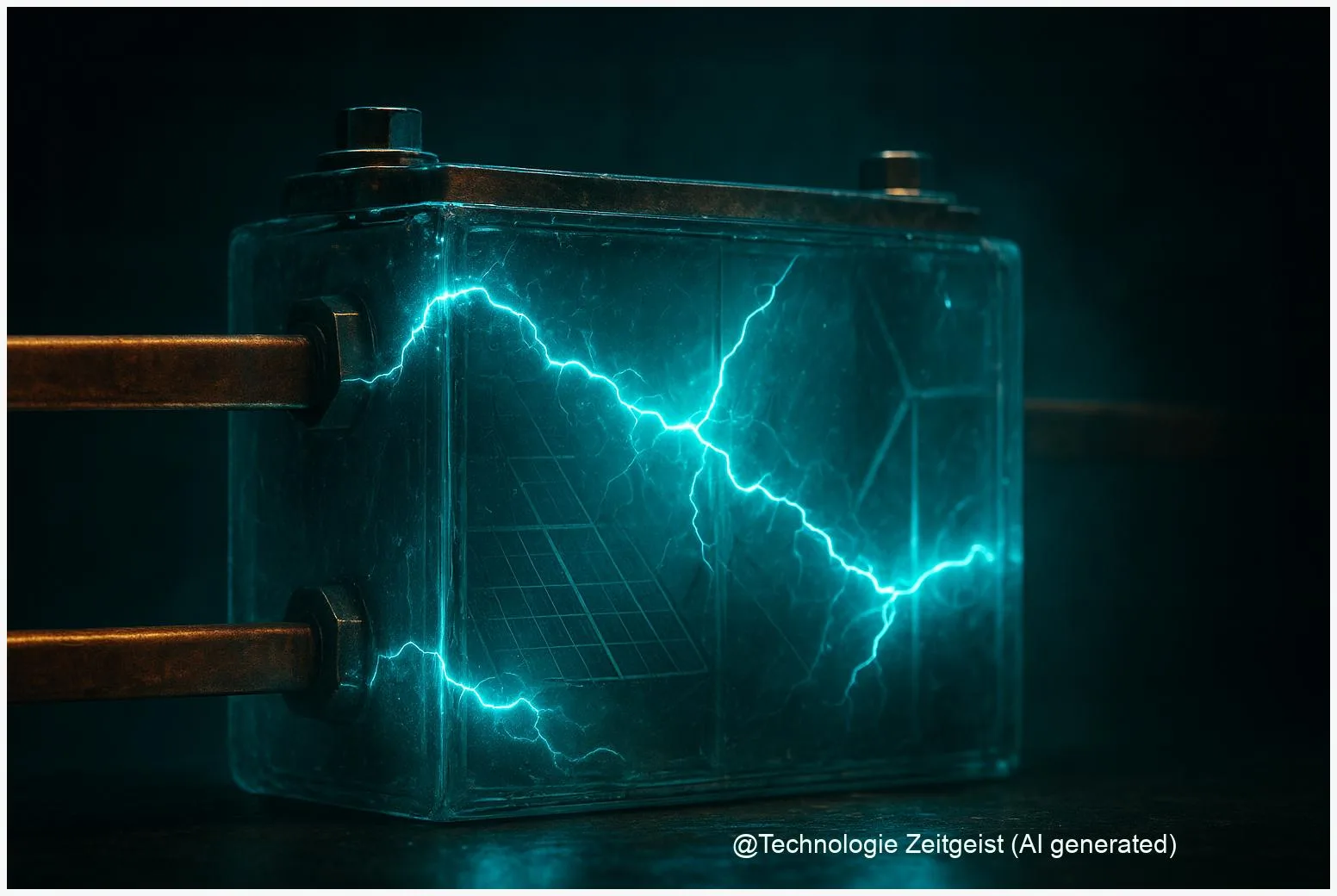
Power companies are adding large amounts of battery storage fast because electricity systems need flexible capacity to balance variable renewables and avoid blackouts. This article looks at battery storage as a grid resource, why utilities are buying gigawatts at once, and what that means for reliability, costs, and supply chains. The main keyword “Battery storage” appears here to mark the topic and the practical benefit: more resilience and better use of cheap solar and wind.
Introduction
Many electricity systems once relied on large power plants that ran all the time or when needed. Today, grids must integrate growing amounts of wind and solar power, which produce a lot of energy at some times and little at others. That variability creates a new short-term problem: the grid needs resources that can supply or absorb power quickly and predictably.
Battery systems respond in seconds and can be built in modular blocks, so utilities now buy them in the same scale previously used for single gas or coal plants. Procurement announcements of hundreds of megawatts to multiple gigawatts are increasingly common. That shift means planners must think differently about duration (how long a battery can discharge), location, contracts, and supply chains.
Below, the article explains the technical basics in everyday terms, gives concrete examples of how batteries are used, weighs the trade-offs utilities face, and sketches likely developments that will matter for consumers and governments.
Battery storage fundamentals
At a simple level, a grid-scale battery is a large bank of rechargeable cells plus power electronics and software that let operators charge, store, and discharge electricity on demand. Two common measures describe them: power and energy. Power, measured in gigawatts (GW), tells how much electricity a system can deliver at once. Energy, usually in gigawatt-hours (GWh), tells how long it can deliver that power. A 1 GW / 1 GWh battery can deliver 1 GW for one hour.
Utilities have moved from trial projects to bulk procurements of batteries to meet both short-term demand peaks and market rules that value flexibility.
Because batteries respond quickly, they replace or reduce the need for fast-ramping fossil plants in many situations. They can provide frequency control (keeping the grid voltage stable), shift midday solar output to evening hours, and act as short-term backup during outages. Developers sell batteries in different forms: containerised systems on a single site, co-located with solar farms, or paired with existing power stations as “hybrid” plants.
If numbers help, here are a few recent, rounded metrics that show scale and why utilities are buying in gigawatts:
| Feature | Description | Value |
|---|---|---|
| U.S. installations reported for 2024 | New utility-scale battery capacity added to the grid | around 10–12 GW (2024) |
| EIA forecast for 2025 | Projected new utility-scale battery additions | around 18 GW (2025 forecast) |
| Example regional capacity (CAISO) | Active battery capacity in one large market area | around 13 GW (end of 2024) |
Sources for the numbers above include national statistics and regional operator reports. Differences between sources often reflect definitions: one group counts only operational, grid-connected capacity; another includes projects that are contracted or awarded but not yet built. That distinction matters when reading headlines about multiple gigawatts being procured in a single year.
How utilities use big batteries day to day
In practical terms, utilities ask batteries to perform short, high-value tasks rather than run continuously like thermal plants. One common example is evening “shift”: charging during sunny midday when solar is abundant and cheap, then discharging during the evening peak when demand and prices rise. Because the battery can switch modes in seconds, it is also useful for stabilising frequency after sudden changes in generation or demand.
Consider a coastal grid with lots of solar: on a calm, sunny day, solar output can exceed daytime demand. Without storage, some solar must be curtailed (turned off). A battery can absorb that extra energy and deliver it later, improving the economics for the solar farm and reducing the need for other plants to start up in the evening.
Utilities typically procure batteries through requests for proposals (RFPs), long-term contracts, or direct ownership. Contracts may specify performance in terms of response time, number of guaranteed cycles per year, and availability during emergency conditions. For the utility, the question is not only how many megawatts a battery can provide but also for how long and how often it can do so reliably.
Short-duration batteries (one to four hours) are currently the most common because they match evening peaks and ancillary services. Longer durations (six hours or more) are becoming more common as planners prioritise displacing entire evening ramps. That trend explains why procurement announcements now mention both GW (power) and GWh (energy) figures; utilities want assurance about both instantaneous capacity and usable hours.
Opportunities and risks in mass procurement
Buying batteries at gigawatt scale offers clear benefits: faster deployment than building a new thermal plant, modularity that allows staged expansion, and multiple revenue streams (energy shifting, capacity markets, reserve services). For system operators, a large fleet of batteries increases operational flexibility and can lower wholesale price volatility.
At the same time, risks need careful management. First, supply-chain concentration for cells and key electronics means manufacturing or trade disruptions can delay delivery. Recent government and laboratory studies highlight that a significant share of battery cells and some power electronics come from a small set of overseas manufacturers, which raises procurement and inspection needs.
Second, contracts must allocate construction, performance, and warranty risks with precision. Batteries degrade over time—how quickly depends on the chemistry and how the system is used—so long-term service agreements and testing protocols are essential. Third, interconnection delays (the queue to connect a new asset to the grid) are a frequent bottleneck: utilities may award contracts for many megawatts, but physical connection can take months or years unless grid upgrades are planned in parallel.
Finally, safety and cybersecurity are non-negotiable. Thermal runaway risks, while comparatively rare with modern systems, require robust fire protection and monitoring. Software upgrades and communications between many distributed assets create an attack surface that operators must secure through audits and contractual requirements.
Where the market could go next
Several developments are likely to shape the next phase of battery adoption. Cost trends remain a central factor: as cell prices continue to fall, the economics for longer-duration systems improve. That makes batteries competitive not only for short peaks but also for several-hour shifts that can replace peaker plants in many regions.
Grid planning will also adapt. Regulators and system operators are beginning to include batteries in resource adequacy and capacity planning on the same footing as traditional plants. That shift encourages larger procurements and bundled projects — for example, pairing solar, storage, and occasional firming capacity in one contracted package.
Policy choices will matter. Clear rules on how storage participates in markets and on procurement accounting (counting GW vs. GWh, operational vs. contracted) reduce uncertainty for investors. Public programs that finance grid upgrades or de-risk first-of-kind long-duration storage can accelerate adoption where it would otherwise lag.
For consumers, the likely result is a grid that relies more on distributed and centrally located batteries to keep electricity reliable and affordable during peak hours. Households will not notice most of these technical shifts directly, but they may see fewer price spikes and more predictable service as batteries smooth supply and demand.
Conclusion
Utilities are buying large volumes of battery storage because modern grids need fast, flexible capacity to integrate renewables and keep the lights on during peaks. Batteries are attractive because they can be deployed quickly, provide several grid services at once, and scale modularly. However, large-scale procurement brings trade-offs: supply-chain concentration, interconnection and permitting delays, and asset‑management challenges that contracts must address. Policymakers and buyers who standardise reporting, clarify market rules, and require supply-chain transparency can reduce those frictions and make bulk purchases deliverable and reliable.
Join the conversation: share this article or tell us which local changes in your grid you want to learn more about.

Leave a Reply