
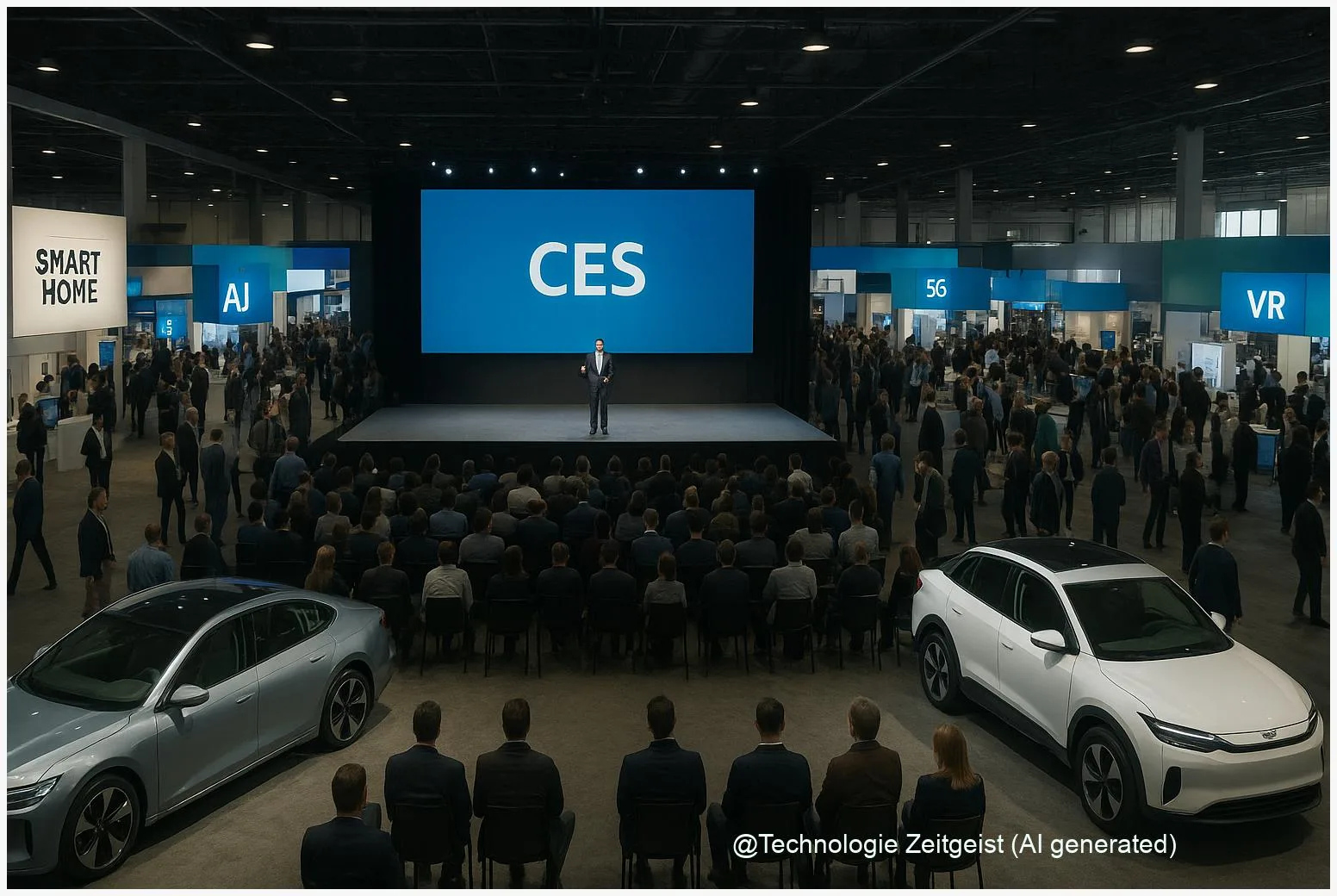
Trying to decide which announcements at CES 2026 will matter beyond the show? This article highlights the most credible product launches and the durable tech trends to watch. CES 2026 brings a mix of hardware demos, AI-enabled features, and mobility and health showcases; the guide shows how to separate marketing claims from lasting products and what to look for if you want useful device improvements rather than short-lived hype.
Introduction
Trade shows like CES condense a year of product planning into a few loud days. For many readers the problem is not whether a product is new, but whether it will change something you notice in daily life — faster charging you actually use, a car feature that appears in dealer lots, or a wearable that provides reliable health signals. Press releases and stage demos are often optimistic. This introduction outlines how companies use CES to test narratives and how you can spot announcements that are likely to reach customers.
Three short signals make an announcement worth tracking: clear, testable specifications; credible partners or pre-orders; and regulatory or certification steps where relevant (for example for medical devices). The rest of the article examines the big themes expected at CES 2026, how product claims typically translate to real use, the tensions to watch, and practical scenarios for what follows after the show.
CES 2026: Themes and industry context
Organizers and early coverage list core tracks for CES 2026 that shape most announcements: AI integration across devices, mobility (including electric vehicles and robotics), and digital health. These are not new topics, but 2026 is described by analysts as a year when companies will move from proofs and prototypes to commercial tests — in short, a “prove-it” moment for monetizing AI inside everyday products (analysis from business outlets in late 2025 supports this framing).
How this shows up on the floor: large manufacturers use keynotes for platform-level announcements, startups and component makers showcase modules and reference designs, and carmakers unveil concept-into-production timelines. Reliable short facts to check are dates for product availability, pricing ranges, partner lists, and any regulatory claims (for health devices or road-ready systems).
Expect fewer pure concept videos and more shipping timelines and partner names — these make a claim tangible.
For orientation, the table below summarizes the principal tracks, the typical form of product announced, and one realistic value to watch for when evaluating claims.
| Track | Typical announcement | Value to check |
|---|---|---|
| AI & software platforms | Device-level AI features and cloud integrations | Availability window and partner integrations |
| Mobility & robotics | EV models, charging ecosystems, robot demos | Production timeline or pilot program details |
One useful benchmark is last year’s attendance and scope: CES in 2025 reported around 142,000 attendees, which helps gauge which announcements attract broad industry attention and which are niche demonstrations. In practice, the announcements that lead to press follow‑ups and third‑party tests within weeks tend to be those with clear commercial intent: pre-orders, shipping dates, partner lists, or pilot agreements.
How products reach real users: examples from daily life
Product launches at CES can feel abstract until you see how they move into stores or services. Take three short examples that are common pathways from announcement to real use.
1) Consumer devices with clear supply signals. A laptop or TV that comes with a manufacturer page, a specified release quarter, and pre-order options usually reaches customers within the promised timeframe. Independent reviews then test battery life, performance, and durability. If the manufacturer also lists component partners (chipmaker, display supplier) that adds credibility: supply chains are complex and visible partner names reduce the risk of vaporware.
2) Mobility features moving via pilots. Carmakers often announce advanced driver assistance or charging partnerships at CES. Those features become visible to drivers when manufacturers publish pilot cities or dealership test programs. For mobility, a concrete sign of progress is mapping of rollout phases — a precise start date for a pilot, the number of vehicles, or a charging network launch.
3) Health‑tech claims that require external validation. Wearables or home devices that claim medical benefits should point to clinical studies or regulatory milestones. A demo that shows promising measurements is a starting point; lasting value appears when manufacturers publish sensitivity/specificity numbers, trial sizes, or CE/FDA filings. Until then, treat such claims as early-stage.
Across all examples, press coverage that repeats manufacturer claims without quoting specs or partners is less useful. Look for third‑party tests, regulatory filings, or retail availability as the next verification steps. In short: marketing announces; durable products disclose dates, partners, and verifiable specs.
Opportunities and risks behind the headlines
CES creates opportunities for buyers and businesses: early access to new hardware, partnerships, and visibility. For consumers this can mean better battery performance, more efficient chargers, or helpful AI features built into phones and TVs. For companies, CES is a place to secure distribution partners and early adopters.
Risks are practical rather than sensational. Many product claims are marketing‑forward: faster charging numbers may be peak rates not sustained in daily use; robot demos run in controlled environments; AI features often rely on cloud services that will appear later as paid upgrades. These differences matter when you plan purchases or evaluate long-term value.
Three tensions are worth noting: first, hype versus specification — a spectacular demo can mask limited real-world performance. Second, privacy and data flow — AI features on devices frequently involve data sent to cloud services, and the privacy trade-offs deserve attention. Third, regulation and safety — especially for health and mobility products, where certification processes can delay or modify claims.
Being skeptical does not mean rejecting innovation. Instead, prefer announcements that include independent test plans, pilot programs with named partners, or explicit regulatory steps. Those signals reduce the gap between a flashy demo and a dependable product on shop shelves.
What comes next after the show
After CES, the most important work happens in verification and follow-up. For readers who want to track an announcement, useful actions are straightforward: subscribe to manufacturer press rooms for specification updates; watch for third‑party reviews and independent lab tests; and check for pilot announcements or regulatory filings.
Industry watchers also pay attention to partner lists. If a device announcement names standard suppliers or major cloud partners, the odds of a timely rollout increase. Conversely, announcements without availability windows or partners often indicate concept pieces rather than near-term products.
In mobility and health, calendar signals matter: a stated production year, pilot city and number of units, or a CE/FDA filing window are concrete milestones. For consumer electronics, price ranges and pre-order pages are useful checkpoints — if neither appears within weeks, the product may be delayed or re-scoped.
Finally, expect media narratives to split: business outlets will evaluate market impact and monetization; product outlets will test usability and design. Both perspectives are valuable. Use them together to form a balanced view of whether a CES announcement will change what you buy or how services work in the months that follow.
Conclusion
CES 2026 is likely to show fewer speculative demos and more announcements tied to commercial plans, with AI, mobility and health as leading storylines. For readers the practical test is simple: does the announcement include verifiable specs, named partners, a release or pilot timeline, or regulatory steps? Those factors predict which products become real options rather than temporary headlines. Watching these signals keeps expectations realistic and helps spot innovations that improve everyday devices and services.
If you have a perspective or a prediction from the show, share it and start a conversation — your practical observations help others separate promise from product.

Leave a Reply