
\n\n
\n\n\n
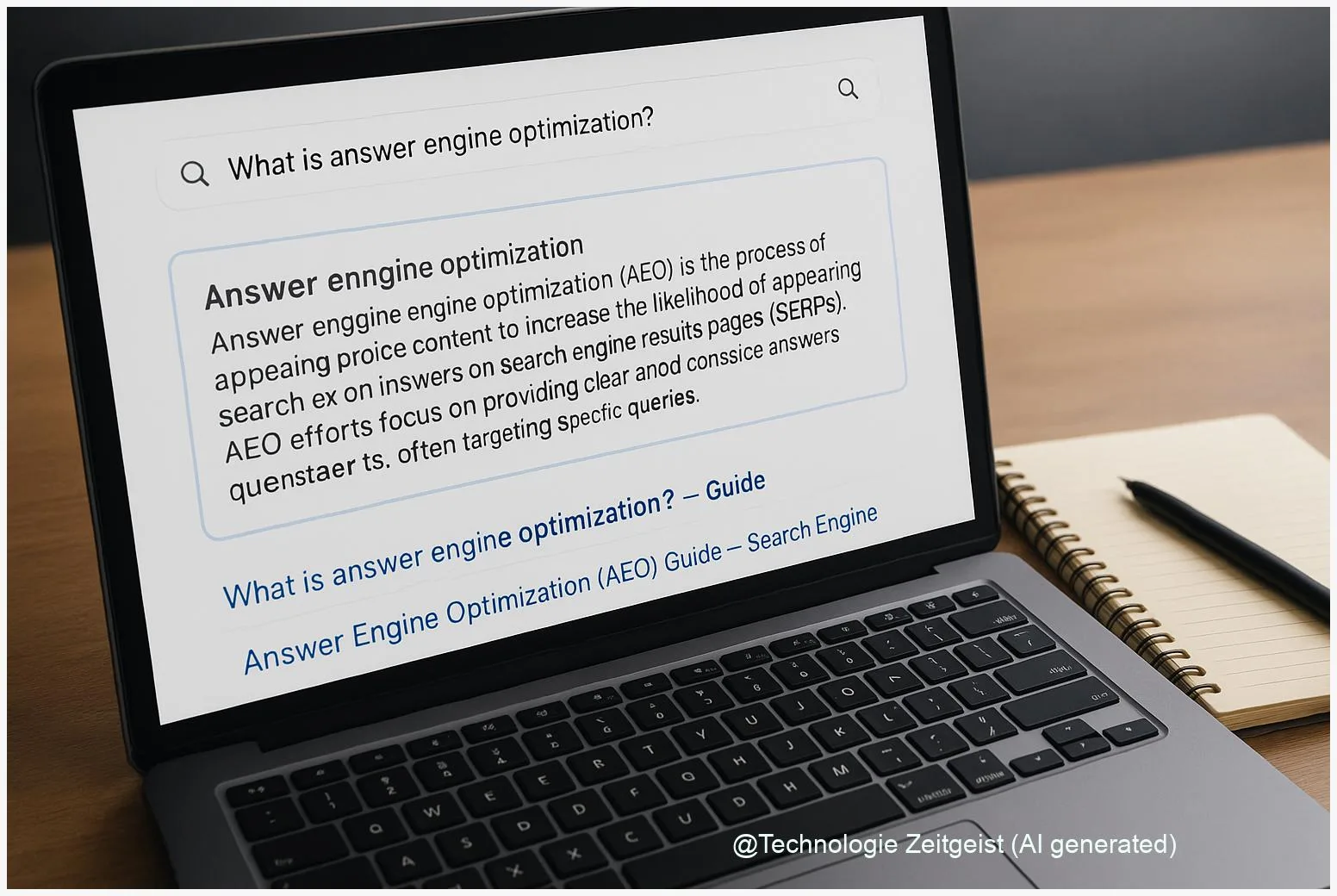
Answer engine optimization is the practice of preparing content so search systems and AI assistants can deliver a clear, usable answer directly in the results. This article outlines why publishers now write short, structured responses alongside fuller explanations, what technical signals matter, and how to measure success without confusing clicks with usefulness.
\n
\n\n
\n\n
Introduction
\n
Search results now often contain a short reply at the top: a paragraph, a list, a table or an assistant-style sentence that answers a question without a click. For readers that saves time; for content creators it creates a new task: how to make sure your site supplies that reply and still captures attention.
\n
The shift asks for different content patterns. Teams add compact answer blocks that a search engine can extract, placed inside a trustworthy page with sources, context and follow-up for readers who click through.
\n
\n
\n\n
What is answer engine optimization?
\n
AEO targets the outcome that a search system or AI assistant shows a concise, direct answer extracted from a page or generated from indexed facts. Unlike classic SEO, which optimizes for ranked lists and clicks, AEO aims for extraction: a short response that satisfies immediately.
\n
A concise answer plus credible context increases the chance that a page is used to populate an answer surface.
\n
Practical signals include clear question headings followed by 1–3 sentence answers, appropriate structured data (FAQPage, QAPage, HowTo), explicit entity mentions, and solid technical quality (fast, mobile-friendly, secure).
\n
\n
\n\n
How to design content for direct answers
\n
Start with the likely user question as a heading and follow it immediately with a short, standalone reply. After the short reply, provide expanded explanation, examples, and sources so the page remains valuable for deeper reading.
\n
Use schema selectively and validate JSON-LD. Combine extractable short answers with clear authorship and brand signals to raise trust for automated systems.
\n
\n
\n\n
Opportunities and risks for publishers
\n
Answer surfaces can increase visibility and brand recognition when a trusted site supplies the top answer. But they also create a zero-click risk where users are satisfied without visiting the site. The effect varies by query type: transactional queries still drive clicks, short factual queries may not.
\n
Mitigate misuse and attribution loss by providing clear citations, visible authorship, and structured metadata about sources.
\n
\n
\n\n
Where AEO is headed and what to prepare
\n
Expect more emphasis on entity clarity and trust signals. Editorial and technical teams should align: editors craft tight answers and context; engineers supply structured data, canonical references, and monitoring tools.
\n
Measure multi-channel attribution and run experiments: implement short-answer blocks and schema on a test group of pages and compare against controls.
\n
\n
\n\n
Conclusion
\n
Answer engine optimization requires a dual mindset: write for immediate extraction and for deeper reading. Short, standalone answers near clear questions increase the chance of appearing in answer surfaces; supporting context, structured data and visible authorship preserve credibility and attribution.
\n
\n
\n\n
\n
\n
\n\n


Leave a Reply