
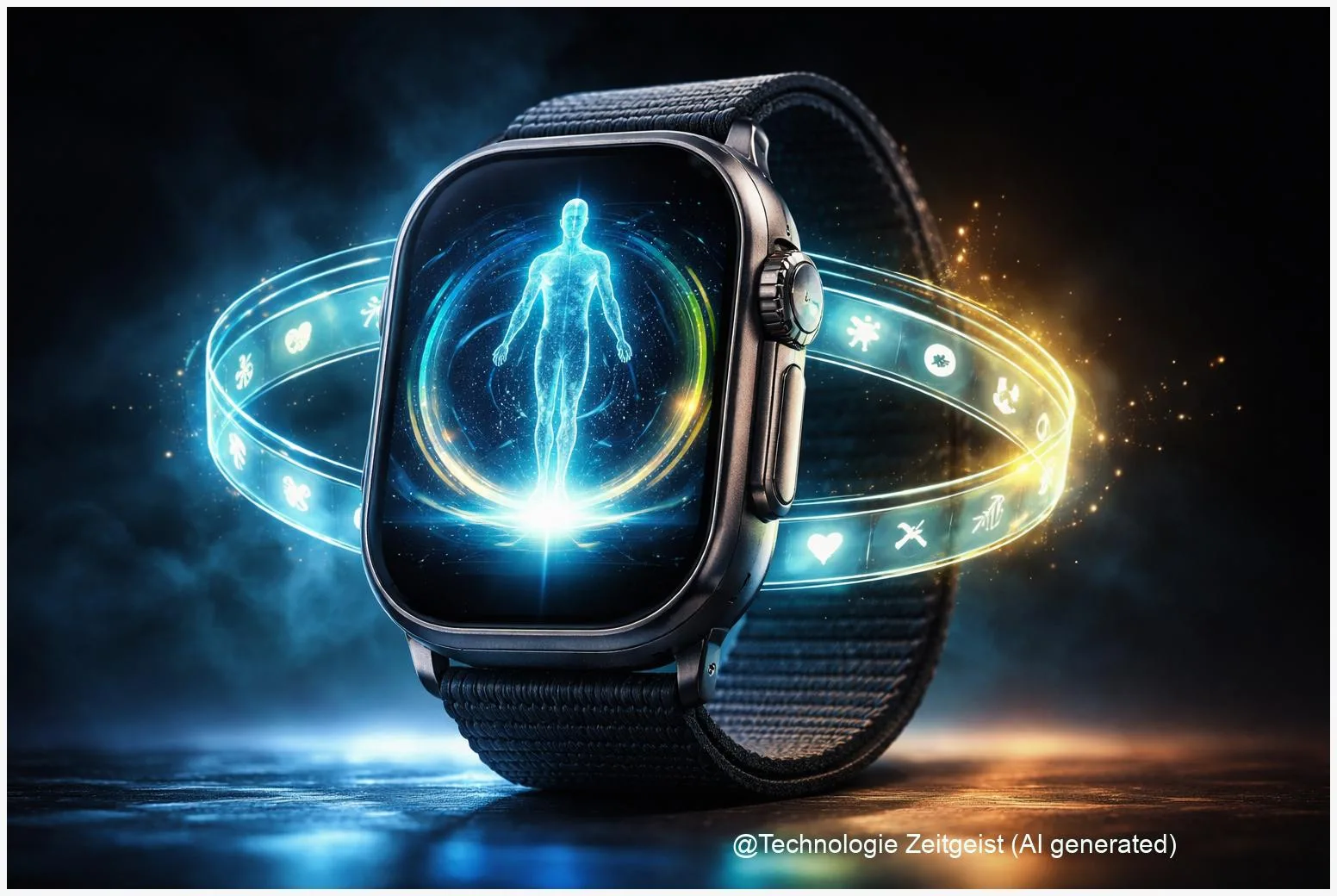
Many people ask whether an AI fitness coach on a smartwatch is worth the trouble. This article cuts through the noise and focuses on five practical promises that matter for everyday users: smarter plans, real‑time form and intensity feedback, motivation that adapts to you, safer progression, and seamless tracking with privacy in mind. The term AI fitness coach appears throughout to keep the topic clear and to show what benefits are realistic for most people over the next few years.
Introduction
You may have tried a workout app, read a marketing demo, or glanced at a smartwatch suggestion and wondered: will an AI coach actually change how I train? The short answer is: sometimes — but only when the underlying promises are delivered in ways that fit your life. Behind the phrase AI fitness coach are several technical pieces: sensor streams from a wearable, an algorithm that converts signals into goals and feedback, and a user interface that nudges you at the right time. The most useful systems combine data, simple behaviour science and guardrails to avoid over‑promising. This article explains which five promises make the difference in everyday use and what to watch for when you try a coach on your wrist.
How an AI fitness coach actually helps
At its best an AI fitness coach is not a magic trainer but a steady companion that makes three concrete things easier: personalised goals, timely corrections, and small habit nudges. Personalisation means using your recent activity, declared goals and simple user preferences to suggest one‑week targets that are reachable and measurable. For example, instead of a vague “be more active” prompt, a coach can propose “add two 20‑minute brisk walks this week,” a plan that fits into a busy schedule and can be measured by step or heart‑rate data.
Timely corrections are where wearables matter: a smartwatch measures heart rate, cadence and movement patterns continuously. Algorithms flag a drift — for instance, if your running cadence has fallen and your heart rate is unusually high — and offer a short in‑session tip such as slowing pace or increasing recovery time. That feedback loop is quicker than waiting for a human trainer and can reduce injury risk if the system is properly constrained.
The third benefit is sustained motivation. AI systems that use simple behavioural strategies — goal‑setting, small rewards, and flexible difficulty — keep engagement higher than static plans. Research reviews covering digital coaching in recent years show modest but consistent improvements in activity when coaching is combined with ongoing monitoring; however, many trials mix human and automated support, so full autonomous coaching on a watch still needs more large‑scale trials to quantify long‑term effects (see current reviews for context).
A practical note on hardware: sensor quality and placement limit what a coach can do. Tiny microphone or motion arrays and short battery life impose trade‑offs that affect real‑time suggestions; for a sense of device limits and hardware trade‑offs, see TechZeitGeist reporting on sensor form factors and wearable lifecycle issues.
What real coaching looks like on your watch
A useful AI coach follows a simple sequence each session: read what the sensors show, check recent history, decide the small action, then communicate one clear instruction. On a watch that translates into short messages, a single suggested target and—sometimes—a real‑time vibration or spoken cue. Concrete examples help.
Example: intensity control. During a high‑intensity interval session, your watch measures heart‑rate zones. If your heart rate stays above the prescribed zone, the coach may suggest extending the next rest by 30 seconds or lowering the pace. That suggestion is purely conditional on sensor data and user preferences; it avoids being prescriptive about training philosophy and focuses on safety and adherence.
Example: weekly adaptation. An AI coach can compare your last two weeks with baseline and, if you’ve missed sessions, offer a compact alternative plan—shorter workouts with the same stimulus—so you keep progressing without needing a full schedule overhaul. The coach keeps the plan measurable, using minutes in a target heart‑rate zone or weekly steps as objectives rather than vague aims.
Example: technique nudges. Advanced systems couple motion sensors and simple biomechanical models to give pointers—short reminders to lift knees, check posture, or shorten stride. Accuracy depends on sensor placement and model quality; when sensors are limited, the feedback becomes conservative and focus shifts to high‑level cues such as cadence or tempo.
Practical device caveat: wearables become part of the product lifecycle and waste stream; if you care about device longevity and recycling, read reporting on wearable disposal and repair options to understand trade‑offs between frequent upgrades and sustainability.
Promises, limits and risks you should know
The marketing language around AI fitness coaches lists many promises; five issues separate useful systems from noise.
1) Personalisation vs privacy. To be useful, a coach needs history: workouts, resting heart rate, sleep patterns. That data can be sensitive. Good products summarise locally and send only compact state snapshots to cloud services, or allow on‑device processing. Ask whether a service stores raw health data and whether it allows deleting histories. Privacy safeguards matter as much as algorithmic polish.
2) Evidence vs enthusiasm. Many pilots and lab studies show early promise, but longitudinal randomized trials of fully autonomous AI coaching on wearables are still limited. Existing reviews indicate that digital coaching often helps short‑term activity, especially when human oversight is included; fully automated wrist‑only coaching still needs more long‑term evaluation.
3) Hallucination and unsafe advice. Large language models can generate confident but incorrect instructions. Engineering counter‑measures are essential: constraint layers that map model outputs to safe, tested templates, and triggers that escalate uncertain cases to human review or to conservative, non‑medical suggestions only.
4) Sensor and context mismatch. Missing wear time, device misplacement or an unusual activity (e.g., carrying groceries) can produce misleading data. Robust systems check for non‑wear, ask short clarifying questions, or withhold prescriptive moves when the context is unclear.
5) Long‑term engagement. Many digital interventions show a drop in interaction after weeks. The most effective coaches use small, achievable wins and allow user control over notification frequency. Behavioural design matters as much as model capacity.
Where AI coaching is headed — and what to do next
Expect steady, pragmatic advances rather than overnight miracles. Technical directions include hybrid architectures: lightweight on‑device models that summarise raw sensors and cloud models that provide richer conversational guidance when connectivity is available. Such hybrid designs balance latency, privacy and advice quality. Engineering patterns from recent system papers show a common approach: local preprocessing of sensor streams, short compressed summaries sent to a reasoner, and guarded response templates to reduce erroneous or unsafe outputs.
For readers thinking about trying or adopting AI coaching, three sensible actions help capture benefits while reducing risk. First, choose products with clear privacy settings and the option to delete or export your health history. Second, prefer coaches that emphasise measurable, small goals (minutes in a heart‑rate zone; short cadence targets) rather than vague lifestyle slogans. Third, monitor suggestions early on: if a coach repeatedly suggests intense increases after a week of missed workouts, treat that as a sign its model is mis‑calibrated to your reality, and switch to a conservative plan or human‑supported program.
On the research side, longer RCTs that test autonomous smartwatch coaching (not phone‑plus‑human hybrids) remain a needed piece of evidence. Industry should publish protocol documents and anonymised summaries so independent researchers can evaluate long‑term safety and behaviour change. Until then, the most dependable promise from an AI fitness coach is modest: better tailored, timely nudges that make your workouts more consistent and safer when paired with sensible design and clear privacy rules.
Conclusion
AI fitness coaches can be useful tools when they deliver a small set of real benefits: personalised, measurable goals; in‑session, safety‑minded feedback; adaptive motivation; sensible privacy controls; and designs that recognise hardware limits. The phrase AI fitness coach is shorthand for a bundle of technologies and choices; the value you get depends less on the label and more on how data is used, what behaviour techniques are built in, and whether the system is honest about uncertainty. Try a coach with small commitments, watch how it adapts over a few weeks, and prefer vendors who publish clear privacy and durability information. That approach keeps the upside and reduces the downsides as the technology matures.
Share your experience with AI coaching or smartwatch training — what helped and what didn’t.

Leave a Reply