
Insights
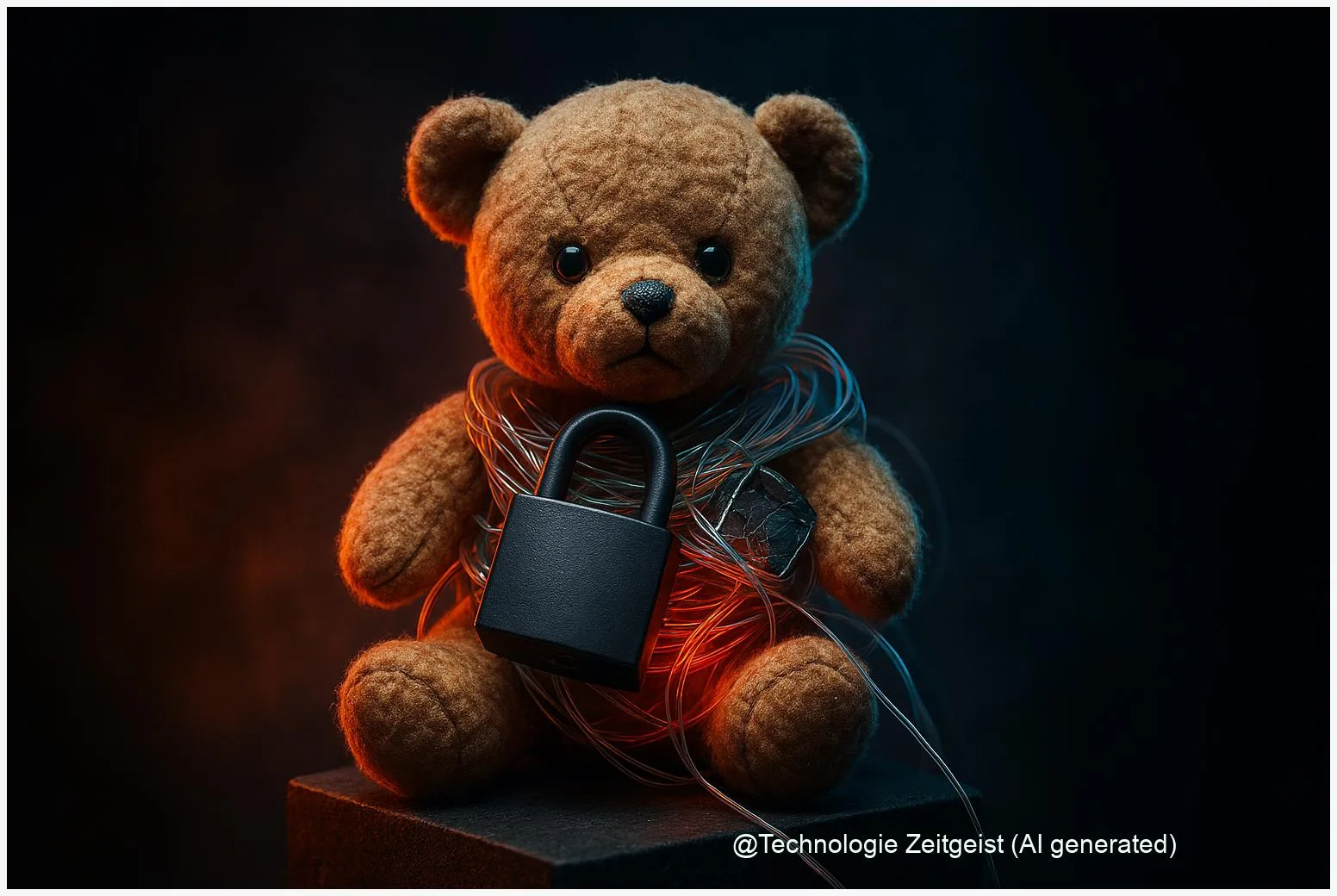
A proposed California measure would pause sales of AI chatbots in toys for four years, aiming to buy time to set safety and privacy rules. The main keyword “AI chatbots in toys” appears here and the pause targets devices that hold ongoing conversational memory and feel like companions.
Key Facts
- California bill SB 867 proposes a four-year moratorium on certain chatty AI toys until 1 January 2031.
- “Companion chatbot” means a conversational AI that maintains ongoing, human-like interaction across sessions.
- The proposal follows consumer tests reporting unsafe or inappropriate replies from some AI toys and calls for clearer standards.
Introduction
A California lawmaker has introduced SB 867, a bill seeking a temporary ban on some AI chatbots in toys to protect children and allow time for safety rules. The measure, filed in early January 2026, would pause sales and manufacture of toys described as “companion chatbots” while regulators and experts work on standards.
What is new
SB 867, introduced in January 2026, would ban the manufacture, sale and offering of toys that include a “companion chatbot” in California until 1 January 2031. The bill sponsor describes companion chatbots as AI systems that use natural language to respond, adapt over time, and keep a memory of past interactions. The stated purpose is to pause the market so lawmakers can create age-appropriate safety, privacy and transparency rules. The proposal responds to consumer-group tests and press reports that some AI toy interactions produced questionable or unsafe content.
What it means
A temporary ban would affect parents, manufacturers and retailers differently. Parents could see fewer smart companion toys on shelves in California while regulators build safety checks. Manufacturers may delay product launches or adapt designs to exclude conversational memory features. For the market, this can slow innovation locally but push companies to improve content filtering, parental controls and data protections. For families, the aim is clearer protections, but critics warn of higher costs, legal fights and possible relocation of product sales to other states or online marketplaces.
What comes next
If the bill advances, expect public hearings, stakeholder meetings and technical working groups to define tests and labels. Regulators must clarify how to identify a covered product, enforce a ban on cloud-based services, and coordinate with federal privacy laws. Industry, child-safety groups and researchers will likely push for certification procedures and clear timelines. Legal challenges are possible on trade or preemption grounds. Over the moratorium period, officials plan to develop standards for content safety, data handling and age verification before market re-entry is allowed.
Conclusion
A four-year pause on certain AI chatbots in toys aims to give regulators time to set clear child-safety and privacy standards. The move could reduce immediate risks but will raise questions about enforcement, market shifts and how to balance protection with innovation.
Join the conversation: share your view and practical ideas on safer smart toys.




Leave a Reply