
Insights
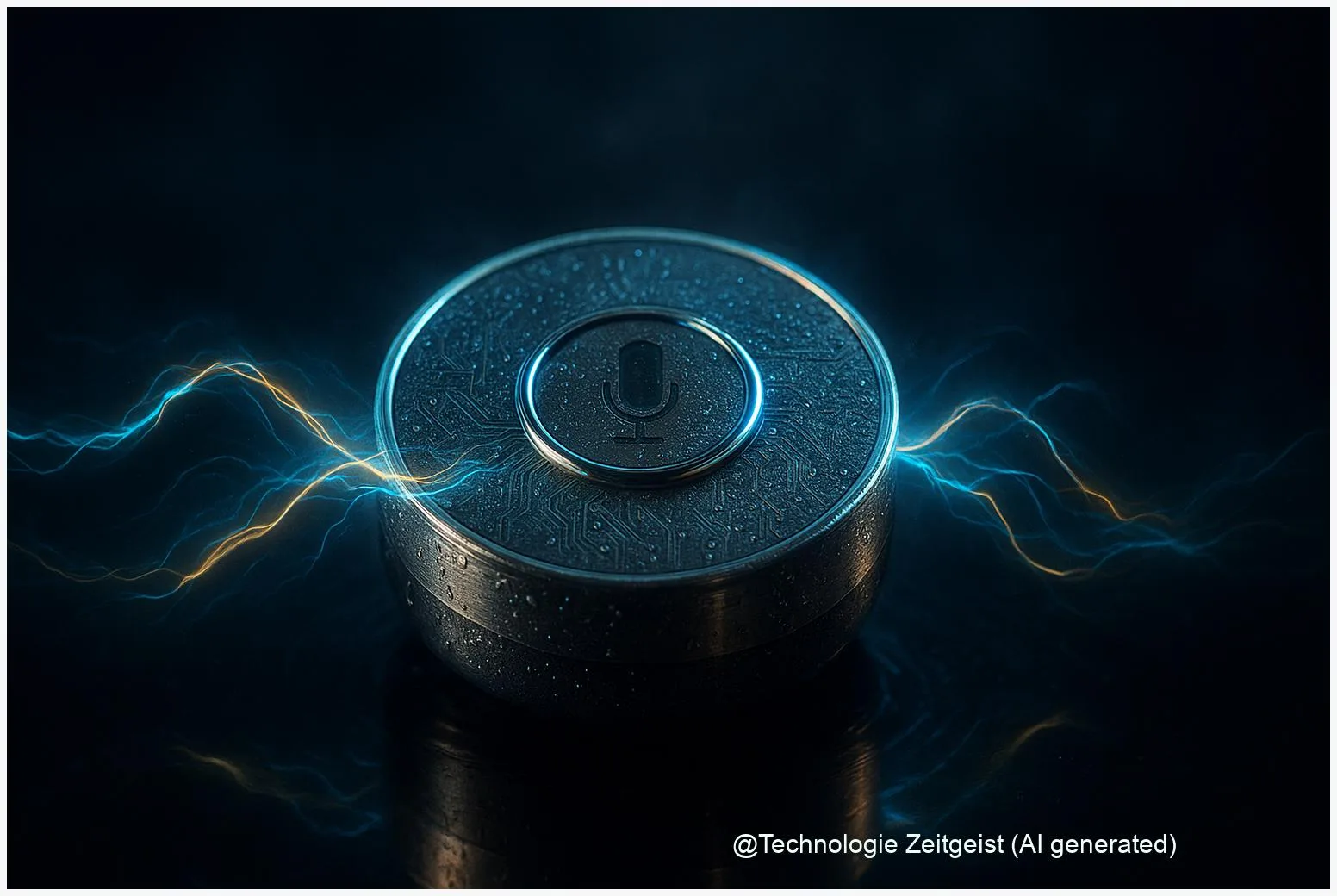
Voice AI devices are poised to move from cloud text workflows to real-time speech on-device, thanks to smaller speech models and faster edge NPUs. The shift promises lower latency and stronger privacy, but accuracy and market size remain uncertain without further tests and analyst data.
Key Facts
- Lightweight speech models such as Whisper‑Tiny make on‑device speech recognition technically feasible with quantization and fine‑tuning.
- Hardware advances (mobile NPUs and optimized runtimes) cut latency and energy use, enabling continuous voice features on phones and dedicated devices.
- Market numbers for 2024–2026 are fragmented and often paywalled; analysts report a strong trend but exact TAM figures require licensed reports.
Introduction
Who: device makers and chip vendors; what: a move from text‑first AI to voice‑first interactions; when: accelerating in 2026; why: faster edge chips and compact speech models lower delay and improve privacy. This article explains why voice AI devices may become the default interface in the coming months.
What is new
Small, production‑ready speech models and improved on‑device toolchains are the concrete changes behind today’s shift. Public checkpoints such as Whisper‑Tiny (original Whisper work dates from 2022; this is older than 24 months) provide compact ASR backbones that teams can quantize and fine‑tune. Recent studies and vendor posts from 2024–2025 show INT8 quantization and LoRA fine‑tuning can cut model size by about 45–60 % while keeping transcription accuracy near cloud levels for many tasks. At the same time, SoC makers published optimized runtimes and NPU benchmarks that reduce token latency to a few milliseconds on modern mobile chips. Finally, analyst commentary in late 2024–2025 highlights a growing industry focus on voice as a primary channel, though full market figures are typically behind paywalls.
What it means
For users, real‑time on‑device speech means faster replies, less data sent to the cloud, and clearer privacy controls because audio can be processed locally. For device makers and app builders, it lowers the cost of always‑on voice features and opens new form factors (screenless assistants, earbuds with continuous transcription). For the market, the trend could shift investment from cloud‑centered services toward hardware, optimized runtimes, and edge model tooling. The main technical risk remains accuracy: aggressive compression can reduce word‑error rates for some conditions but may struggle in noisy or low‑resource languages. Regulators and privacy teams will also need to adapt rules designed for cloud data to on‑device processing and update consent flows.
What comes next
Near term, we should see device makers run controlled pilots that combine INT8 quantized models with small fine‑tuned adapters to preserve accuracy in local languages. Chip vendors will publish more application notes and benchmarks, while independent researchers will publish robustness tests for noisy environments. Analysts will release paid TAM and revenue forecasts for 2024–2026; those reports are necessary to quantify market impact precisely. Over the next six to twelve months, expect new consumer products that advertise lower latency and on‑device privacy, plus developer tools to simplify deployment on common NPUs and CPUs.
Conclusion
Technical advances in compact speech models and edge NPUs make a shift from text to voice plausible in 2026. Users can expect snappier, more private voice features, but real gains will depend on measured accuracy and clear privacy practices. Industry reports will be needed to confirm the size and pace of the market change.
Join the conversation: share your experiences with voice assistants and on‑device AI in the comments or on social media.

Leave a Reply