
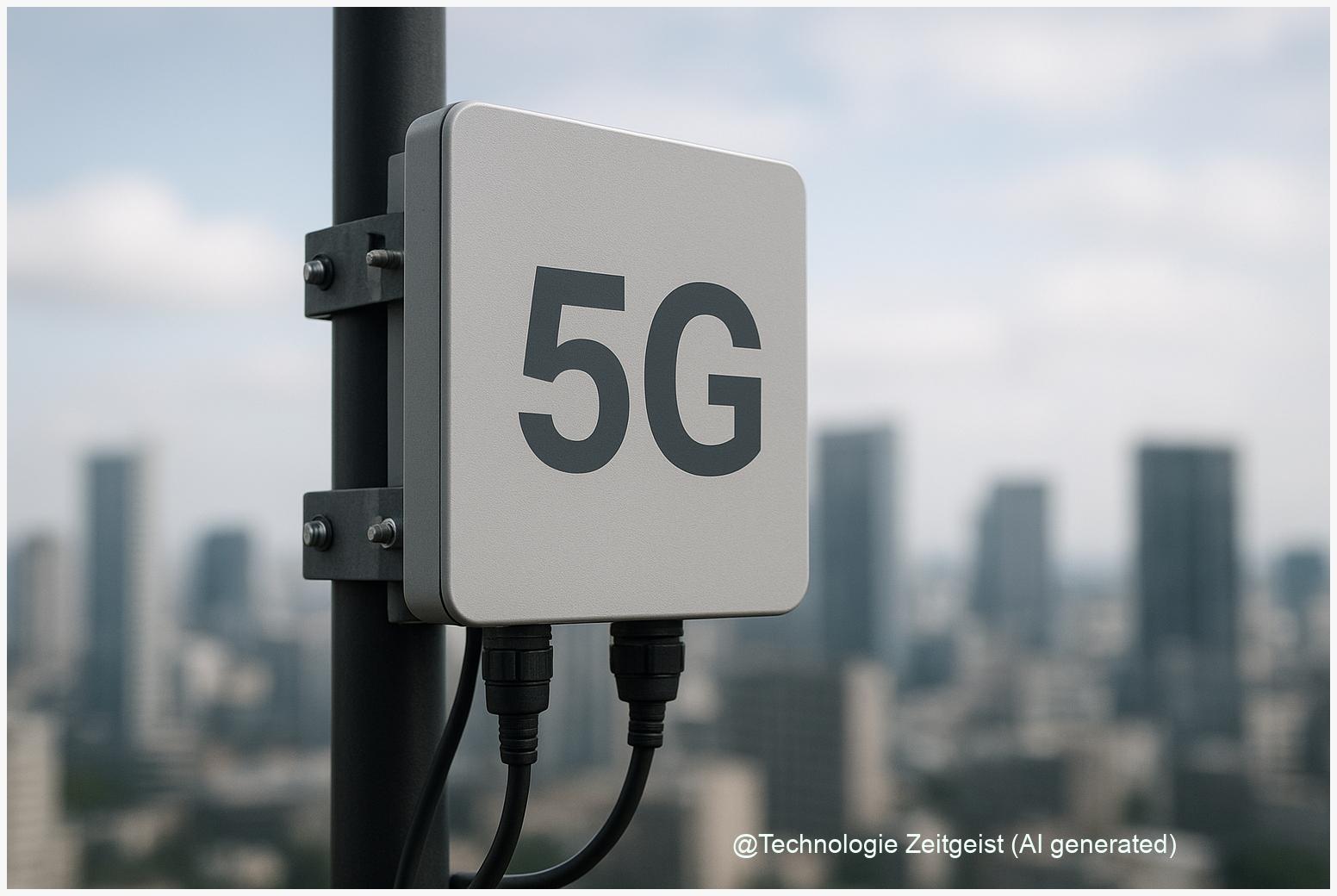
Standalone 5G explained: standalone 5g explained refers to a form of 5G network that uses a native 5G core instead of relying on older 4G infrastructure. It brings lower latency, finer traffic control and features such as network slicing that are hard to provide on legacy cores. For consumers and businesses this can mean faster localized services and new industrial applications — but it also raises operational and security trade-offs that network operators and users should understand.
Introduction
If your phone sometimes feels faster on video calls or a factory promises near‑instant machine control, there is a hidden question: is that service running on standalone 5G or on a hybrid setup that still depends on 4G? That distinction determines whether a network can deliver reliably low latency, isolate traffic for business customers, or run applications at the network edge. Many operators launched early 5G using existing 4G cores to speed rollout; the move to a fully standalone architecture is the step that unlocks more advanced capabilities.
For people and organisations deciding whether standalone 5G matters now, the relevant facts are simple: it changes how the mobile core handles sessions, where data can be processed, and how tightly a provider can control traffic. Those technical changes translate into practical differences for streaming, remote control, and private networks in factories or campuses — which is why this topic is both technical and concrete.
standalone 5g explained: Fundamentals
Standalone 5G means the radio access network (NR, sometimes called 5G radio) connects directly to a 5G Core (5GC) that is built with new cloud‑native network functions. By contrast, the earlier non‑standalone model (NSA) used 4G LTE for control signaling and anchored sessions in the older EPC core while adding 5G radio mainly for extra throughput. The practical result: SA is a full 5G stack from radio to core, while NSA is a hybrid that mixes 4G control with 5G data capacity.
The decisive change is not the antenna itself but the core: where sessions are set up and which software decides how traffic is routed.
Key 5G core functions include the Access and Mobility Management Function (AMF), the Session Management Function (SMF) and the User Plane Function (UPF). These are defined in standards such as 3GPP TS 23.501 and allow finer control over sessions, policies and how data is bridged to the internet or an enterprise data center.
To make the contrast clearer, a short table helps:
| Aspect | Non‑Standalone (NSA) | Standalone (SA) |
|---|---|---|
| Core | 4G EPC (anchor for control) | 5G Core (5GC), cloud‑native |
| Best for | Fast capacity upgrades, broad coverage | Low latency, slicing, private networks |
| Latency & control | Limited by 4G core path | Improved when UPF is edge‑placed |
Standards bodies and vendors use this language throughout the specifications, for example in 3GPP TS 23.501, and the distinction is the basis for migration plans that many operators adopted after initial 5G launches during 2019–2021. Note: several of the widely cited vendor reports on migration are from 2020–2021 and are therefore more than two years old; they remain useful for architectural context but not as final benchmarks.
How standalone 5G appears in everyday use
For most consumers, the difference between SA and NSA is not a daily headline but an underlying change in capability. When you stream a game or take part in a multi‑person call, lower end‑to‑end latency reduces lag and improves responsiveness. For industrial users, SA lets an operator place the UPF (the user‑plane gateway) at the network edge near a factory, which shortens the data path and can reduce latency from tens of milliseconds toward single‑digit values in ideal setups.
Consider a campus that runs a private 5G network for automated guided vehicles. On NSA, the control messages might still travel through a remote 4G core, adding delay and unpredictability. On SA, the campus can host a 5G core and keep critical traffic local, improving reliability and enabling features such as deterministic QoS and network slices that reserve capacity for the vehicles.
Public examples include early SA rollouts that targeted enterprise customers and certain urban hotspots. Many operators used NSA first because it allowed immediate 5G radio coverage with limited changes to their core. Over time, however, operators planning services that require low latency or strict isolation have been migrating to SA to unlock those features.
For ordinary users the benefit may show up as smoother cloud gaming, faster startups of augmented reality apps, or better performance in crowded venues. For companies, it can mean predictable connectivity for industrial control, automated logistics, or health‑care devices that cannot tolerate long or variable delays.
Benefits and risks in plain terms
Standalone 5G brings several practical benefits: lower potential latency, finer traffic and policy control, support for network slicing (separate virtual networks on the same physical infrastructure), and better fit for private networks. Those features enable use cases that are hard to implement reliably on NSA. However, the gains are conditional: the full benefits depend on how the core and UPF are placed, how backhaul is provisioned, and how well the operator configures and tests the new functions.
There are also risks and trade‑offs. Operational complexity increases because running a 5G core requires new cloud‑native practices, orchestration tools and security measures. Migrating from NSA to SA means software upgrades in the radio and new operational processes for session control, billing, and policy enforcement. Those changes increase the chance of configuration errors and require staff training.
Security is another area where benefits and risks coexist. SA makes it easier to isolate traffic and apply modern authentication and policy mechanisms, but it also expands the attack surface: more distributed functions and APIs need to be secured. Operators must harden service‑based interfaces and protect the NF registry, and enterprises running private 5G must treat the core functions like any other critical IT system.
Finally, cost is a practical constraint. Deploying edge UPFs and a 5G core adds capital and operational expenses. That investment can pay off for use cases with clear latency, reliability, or isolation needs, but it is harder to justify for basic consumer broadband where NSA or fixed broadband may suffice.
Where standalone 5G might go next
Over the next few years, expect a gradual shift from NSA to more widespread SA, especially in enterprise and industrial segments. Providers aiming at manufacturing, logistics and campus services will prioritize edge UPF placement and orchestration to deliver predictable performance. Regulators and industry consortia are increasingly focusing on frameworks for private networks and on spectrum policies that make local 5G deployments easier.
Technically, advances in automation and cloud native toolchains will make SA operations simpler and more reliable. Orchestration platforms will automate placement of UPFs, instantiate slices for customers, and monitor end‑to‑end performance. That reduces the manual effort currently required and lowers the barrier for smaller operators and system integrators.
At the same time, a realistic future includes hybrid approaches: parts of a network will remain anchored to older cores for general coverage while mission‑critical traffic runs on localized 5G cores. This hybrid pattern lets operators protect legacy services while offering new ones where they are most valuable. For consumers, the visible change will be more targeted 5G use cases—private campus services, industrial automation, and connected public venues—rather than an immediate replacement of 4G everywhere.
For decision makers, the sensible approach is use‑case driven: plan edge and core placement where it clearly improves latency, control or privacy; measure end‑to‑end performance before committing to broad SA rollouts; and budget for security and operational training in parallel with technical upgrades.
Conclusion
Standalone 5G replaces a radio‑plus‑old‑core shortcut with a full 5G architecture that can lower latency, enable network slicing and keep sensitive traffic local. For consumers the changes are most noticeable in improved responsiveness for certain apps; for businesses the changes enable predictable, private connectivity that can support automation and industrial control. The results depend on where operators place the core functions, how they secure and orchestrate them, and whether the expected use cases justify the extra cost and operational effort.
Ultimately, SA is not a wholesale replacement of 4G overnight but a powerful option for targeted scenarios. If your organisation needs low latency, guaranteed capacity or local data control, standalone 5G is worth planning for; if your needs are mainly broad consumer coverage, NSA or fixed options can remain practical for some time.
Share your experience with 5G in your area and join the discussion with others who work on networks and industry applications.

Leave a Reply