
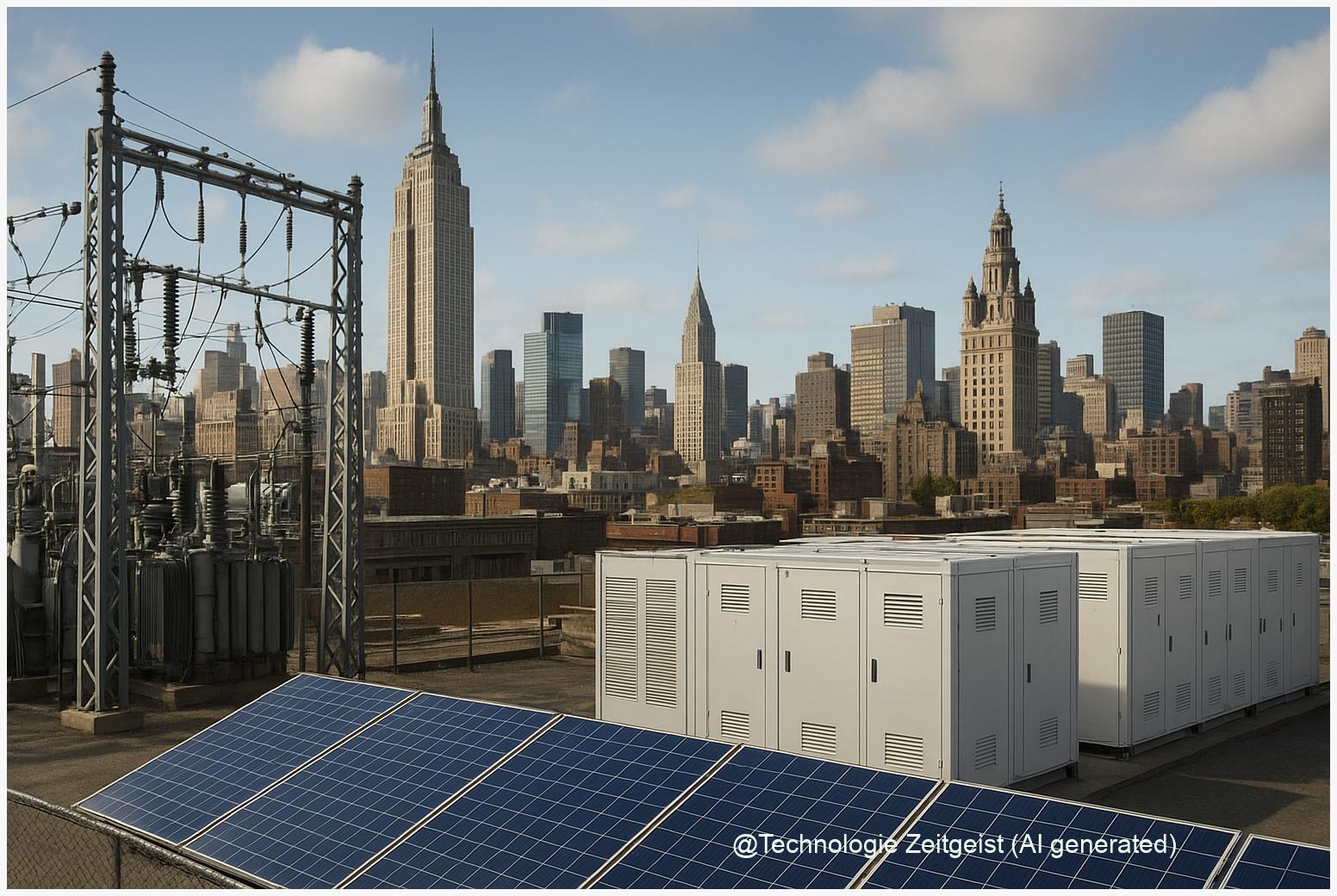
The energy transition history explains why today’s power grids and battery choices are shaped more by past industry than by current technology alone. This article connects the industrial-era choices that built large, centralized grids with present challenges for integrating renewables and batteries. Readers learn how path dependence—long-lasting effects of earlier decisions—affects costs, reliability and policy options for climate action.
Introduction
When you notice more rooftop solar in your neighbourhood or the news discusses grid upgrades, the immediate question is practical: why do renewables and batteries sometimes struggle to connect or to lower bills quickly? The root of that problem goes back to how electricity systems were built during industrialisation. Early choices about where to place power plants, what voltage and frequency to use, and how to organise utilities left long-term patterns that still shape costs and rules.
At street level this looks familiar: long transmission lines, large substations, and billing systems designed for one-way supply. From a policy standpoint it is less visible but crucial: regulators and investors make decisions inside a framework that evolved over decades. Understanding energy transition history helps explain why certain technical fixes alone—more batteries, more wind—do not always deliver quick decarbonisation, and how better-aligned policy and investment can accelerate useful change.
Energy transition history: how industrialization shaped power grids
Electrification during the late 19th and early 20th centuries moved systems from local, often private generators to large central power plants feeding wide distribution networks. Two technical breakthroughs were decisive: practical alternating current (AC) transmission, which allowed voltage changes and long-distance delivery, and steam turbines that made bigger, cheaper power stations feasible. Those choices favoured centralised production and standardised equipment.
Path dependence is a useful term here. It means that once a system adopts particular technologies or institutions, future options are constrained by the cost and organisation of what already exists. In electricity systems this shows up as locked-in standards (voltage levels, 50 Hz or 60 Hz frequency), large sunk investments in plants and lines, and utility business models based on selling kilowatt-hours from central generators.
The architecture created by early industrial electrification set technical and institutional patterns that persist for decades.
That persistence has practical consequences. A transmission grid designed for a handful of large inputs behaves differently when faced with thousands of small rooftop arrays and batteries. Regulators and system operators must keep the system stable, so they apply rules that often reflect yesterday’s grid. Shifting the system therefore requires not only new devices but also changes in rules, financing and planning horizons.
If a compact view helps, the table below contrasts three broad eras and their dominant features.
| Era | Dominant technology | Consequence for today |
|---|---|---|
| Late 1800s–1930s | Centralised steam turbines, AC transmission | Large-scale grids and standardisation |
| 1940s–1980s | Interconnected national/regional grids | Regulatory monopolies, long-lived assets |
| 1990s–present | Market reforms, renewables, digital controls | Incremental integration constrained by legacy systems |
How batteries and decentralised generation meet legacy networks
Batteries store electrical energy so it can be used later. A simple way to think of them: they shift when electricity is available and when it is needed. That complements solar panels, which produce during daylight. But the way AC grids were designed assumes predictable, controllable large plants; adding many small, variable sources changes flow patterns on lines and requires different control logic.
In practice this matters in several common situations. A neighbourhood with many rooftop panels can export excess midday power into local lines, causing voltage rises and complicating protection systems. Batteries placed at homes or at substations can absorb surplus and release it when needed, but they must communicate with grid operators or follow tariffs aligned with system needs. Without suitable rules, batteries may sit unused or provide benefits only to those who can afford them.
Technical fixes exist: power electronics that smooth flows, local controllers that coordinate dozens of devices, and software that aggregates many small batteries into a virtual power plant. Yet deploying these solutions at scale means reworking planning practices and commercial models. For example, utilities often recover costs through investments in large capital projects. Distributed storage challenges that model because savings can come from avoided peaks and deferred upgrades rather than from new lines.
Clear examples help: in some European cities, pilot projects use neighbourhood batteries to reduce the need for costly transformer upgrades. In places with time-of-use tariffs, batteries are economically viable for households that can arbitrage price differences. In short, batteries can be an elegant technical fit, but their system value depends strongly on regulatory and business innovations that align incentives across many actors.
Tensions and trade-offs: cost, equity and system risk
History emphasises three tensions that persist: the cost of change, who benefits, and how to keep the lights on. Upgrading a grid is expensive and decisions often weigh long-term public returns against short-term bill impacts. Large incumbent assets risk becoming stranded if policy shifts away from fossil generation faster than amortisation schedules allow.
Equity matters. If incentives favour customers who can install batteries or solar, low-income households may face higher grid charges to cover fixed network costs, worsening affordability. Policy choices can mitigate this—targeted subsidies, community energy projects and regulated access for aggregators can spread benefits more evenly.
System risk is a third concern. Grids require finely balanced supply and demand in real time. Introducing many distributed resources without coherent coordination can increase complexity for system operators. That raises the need for improved visibility (better measurements from smart meters), stronger cybersecurity for distributed control systems, and clear responsibilities for balancing services.
These tensions are not insoluble. They point to trade-offs between rapid deployment and orderly transition. Where history left strong institutions—monopoly utilities, standardised equipment—change tends to be slower but more predictable. Where history left fragmented provision, rapid innovation can happen but needs robust governance to manage risks.
Paths forward: policies, pilots and everyday signals
Looking ahead, three policy and market moves appear especially relevant. First, planning must combine asset lifetimes with climate targets: this means evaluating when to retrofit, when to replace, and when to repurpose existing infrastructure. Second, regulatory frameworks should reward flexibility—services that batteries and demand response provide—rather than only energy supplied. Third, targeted pilots can test tariff designs, aggregation models and local market rules without destabilising existing networks.
For citizens and businesses, useful signals are simple to watch. Wider use of dynamic pricing or local flexibility markets means you may see clearer financial value from shifting consumption times. Growing deployment of community batteries often coincides with municipal planning documents that prioritise local resilience. At a national level, announcements about transmission investments show where system operators expect future flows and where storage may relieve congestion.
From a technology perspective, batteries will become cheaper and more capable; that improves the options but does not remove the need for institutional change. Ultimately, faster decarbonisation requires aligning new technical possibilities with planning horizons, finance rules and everyday incentives so that the historic architecture of grids is neither a barrier nor an unexamined constraint.
Conclusion
The industrial foundations of modern electricity systems still shape choices about networks, batteries and climate policy. Early standardisation and large capital projects created long-lasting technical and institutional patterns—what researchers call path dependence—that influence who pays, which investments make sense, and how quickly low-carbon technologies can scale. Batteries and decentralised generation offer practical ways to reduce emissions and increase resilience, but their system value depends on regulatory reform, careful planning and inclusive policies. Reading energy transition history helps policy-makers and citizens recognise which barriers are technical and which require institutional fixes.
If you found the article useful, please share your perspective and questions in the comments or with peers.




Leave a Reply