
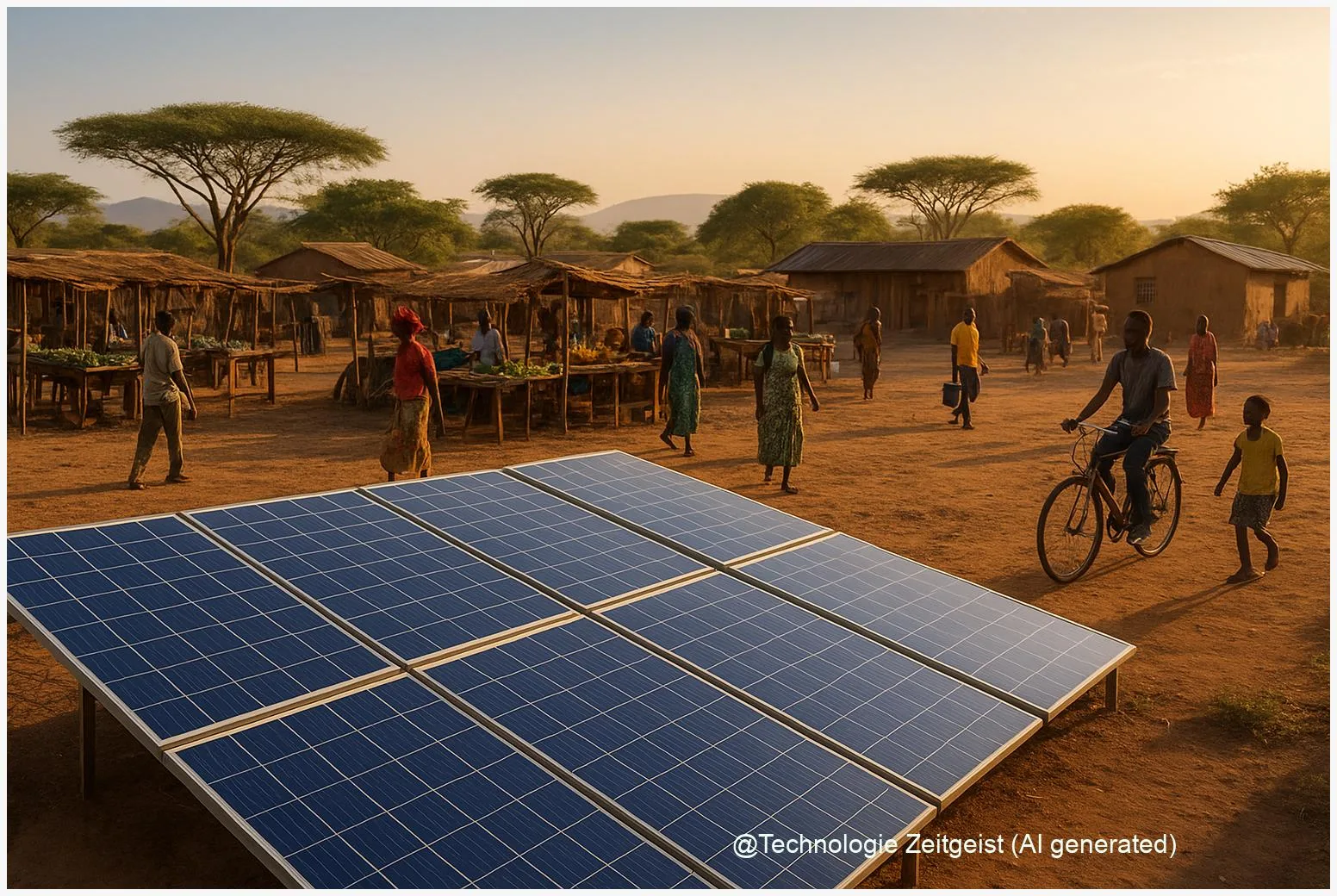
Solar energy in Africa: Why it is reshaping access to power
Rapid cost declines and new business models have pushed solar energy in Africa from niche to mainstream. Lower module and system prices, auctions for larger projects, and pay-as-you-go options for households make electricity affordable where grids are weak or absent. The result is not only cheaper lighting: small businesses get reliable power and communities gain income-generating services. This article outlines the main drivers, common delivery pathways, key risks, and realistic near-term scenarios.
Introduction
For decades many communities in sub-Saharan Africa paid high prices for unreliable power or had no connection at all. That changed as component costs fell, financing options improved and new business models appeared. Today a small shop that once ran a diesel generator often uses solar and a battery, lowering fuel bills and extending operating hours. A family that could not afford a grid connection can now buy a compact solar home system in affordable instalments and charge phones, light a room and run a fan.
Why solar is getting cheaper
The fall in cost has three main sources: global manufacturing and supply improvements that reduced module and inverter prices; better market design such as auctions, standardized contracts and de-risking instruments from development partners; and decentralized delivery models (SHS, mini-grids) that avoid long transmission investment and reach remote customers efficiently. Pay-as-you-go (PAYG) systems spread upfront costs and expand demand.
Finance remains critical: high local borrowing costs and currency risk can keep project-level prices above headline LCOE figures. Blended finance, local assembly and bulk procurement help push final consumer prices down.
How solar reaches homes and businesses
There are three common delivery paths: small solar home systems (SHS) sold on PAYG terms; community or commercial mini-grids serving villages and productive customers; and utility-scale plants feeding the national grid via auctions and PPAs. Mobile money and local service networks (trained technicians and spare-parts supply) are essential enablers.
Examples in daily life include refrigerated chests for food vendors, evening lighting for schools, and charging stations that support local commerce.
Opportunities and risks
Opportunities: lower household energy bills, new jobs in installation and maintenance, improved health services via cold chains, and reduced diesel consumption. Risks: limited access to concessional capital, regulatory uncertainty around mini-grid integration with the main grid, technical challenges (battery degradation, inverter failures) and inclusion gaps if market rollout misses the poorest households.
Addressing these requires blended approaches: combine market competition with targeted concessional funds, guarantees to lower cost of capital, and investment in local service capacity.
Looking ahead: realistic scenarios
Three plausible near-term scenarios: steady scale-up with continued cost declines and broader PAYG and mini-grid deployment; concentrated industrialization with targeted policies promoting local assembly and exports; and uneven adoption if finance and regulation remain constraining factors. Policymakers can accelerate outcomes by lowering financing costs, standardizing tender documents, and clarifying rules for mini-grid interconnection and compensation.
Conclusion
Falling component prices, smarter market design and new payment models explain why solar energy in Africa has moved from promise to palpable progress. To lock in those gains, stakeholders must address finance, regulation and maintenance capacity. With blended finance, clear rules and stronger local service networks, solar can continue to deliver affordable, reliable power to millions more.

Leave a Reply