
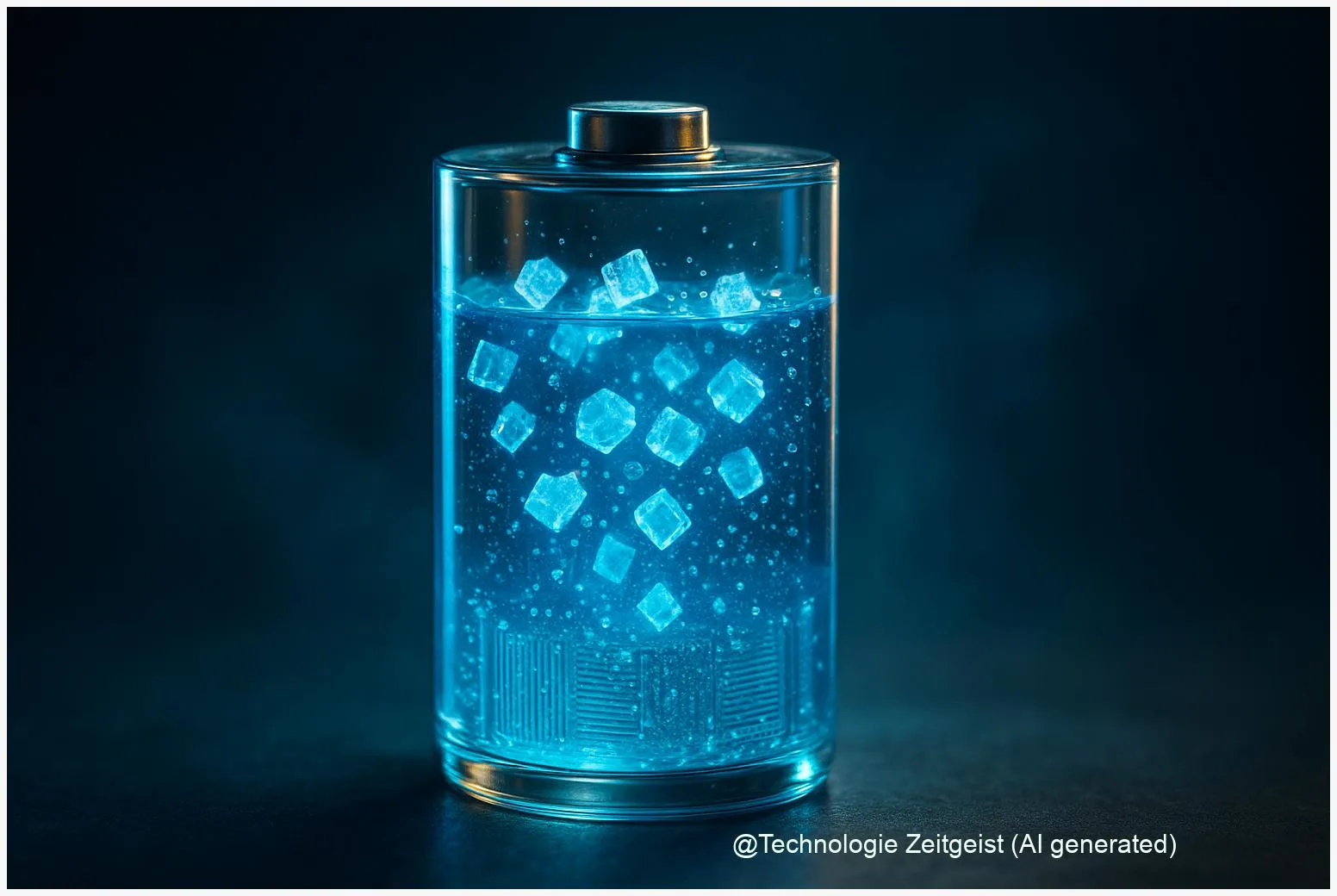
Sodium-ion batteries are gaining attention because they promise lower raw‑material cost and better cold‑weather performance than many lithium chemistries. Developers claim competitive energy density for everyday electric vehicles and fast charging in certain cells, and manufacturers have moved from lab prototypes to production lines since 2021. This article looks at why sodium‑ion batteries matter now, what they can realistically do, and which trade‑offs remain important for buyers and planners.
Introduction
Many people notice battery debates only when charging time, driving range or price affect a purchase. Behind those everyday concerns are questions about materials and supply chains. For a decade, lithium‑ion cells have been the default in phones and electric cars, but shortages and cost swings for lithium, nickel and cobalt have encouraged engineers to look elsewhere.
Sodium‑ion chemistry substitutes sodium for lithium inside the battery. Sodium is far more abundant and cheaper to source. That change alters strengths and weaknesses: sodium cells typically store less energy per kilogram than the best lithium types, but they can be cheaper, tolerate low temperatures better, and sometimes charge quickly. In short, sodium chemistry is not simply a drop‑in replacement; it shifts where batteries make the most sense.
Sodium-ion batteries explained
At its simplest, a sodium‑ion battery works like a lithium‑ion battery: charged ions move between two electrodes through an electrolyte. The main difference is the ion. Sodium ions are larger and heavier than lithium ions, which affects how densely charge can be packed into the same volume or mass.
Energy density is the amount of energy a cell stores per kilogram or per litre. A higher energy density usually means longer driving range for a given battery weight. Sodium chemistry generally yields lower gravimetric energy density than top lithium‑ion cells, but recent manufacturer claims place first‑generation commercial sodium cells at around 150–160 Wh/kg, which is close enough for many city and mid‑range EVs.
Commercial sodium‑ion cells first moved from lab announcements to industrial production lines in the early 2020s, according to manufacturer reports and industry coverage.
Simple definitions help: cycle life is how many full charge/discharge cycles a battery can undergo before capacity falls to a specified fraction. Thermal stability describes how likely a cell is to overheat or fail under stress. Manufacturers report promising numbers for cycle life and thermal behavior for sodium cells, but many of those figures come from company tests rather than independent labs.
If numbers are useful, here are a few representative metrics reported publicly by large manufacturers and industry analyses: energy density around 150–160 Wh/kg for early commercial cells; fast charge from 0–80 % in roughly 15 minutes for some designs; and relatively strong capacity retention at low temperatures. Note: the primary commercial announcements date to 2021–2023, so some manufacturing targets are older than two years and should be read as an early‑stage snapshot.
If a compact comparison is clearer, the table below highlights typical contrasts between current sodium‑ion and common lithium‑ion cells in consumer EV roles.
| Feature | Sodium‑ion (typical early commercial) | Lithium‑ion (typical EV cells) |
|---|---|---|
| Energy density | ~150–160 Wh/kg | ~180–260 Wh/kg |
| Cold‑weather performance | Relatively strong retention at low temperatures | Varies; some chemistries suffer notable loss |
| Material availability and cost | Sodium plentiful, potentially lower raw‑material cost | Depends on lithium, nickel, cobalt markets |
Where they are used now
Manufacturers moved from announcements to initial production between 2021 and 2023. Large battery companies reported pilot lines and first deliveries to vehicle makers, and a handful of mass‑market car models in 2023–2024 were named as early adopters. In practical terms, sodium‑ion cells began in segments where range demands are moderate and cost pressure is high—city cars, entry‑level electric vehicles, and stationary storage where weight is less critical.
Two concrete but typical examples: a compact commuter EV that travels 200–300 km per charge can use a lighter, lower‑cost lithium pack or a slightly heavier sodium pack that costs less to produce. For public chargers and urban car fleets, the modest energy‑density penalty matters less than purchase price and performance in cold climates. Similarly, stationary energy storage, where weight is irrelevant, can benefit from low raw‑material cost and robust cycle life.
Another practical angle is manufacturing: many existing production lines can be adapted to sodium chemistries with engineering changes rather than full rebuilds. That lowers capital costs for factories switching or adding sodium lines. At the same time, automotive integration requires vehicle testing, battery management software tuning, and safety certification—steps that take time even after a cell reaches commercial readiness.
Independent testing remains limited compared with the huge body of work on lithium cells. For procurement decisions, fleet operators and OEMs typically ask for third‑party cycle tests and safety reports before wider adoption.
Benefits and limitations
Sodium‑ion batteries bring several clear advantages. Sodium is widely available and cheap compared with lithium; that reduces raw‑material pressure and can lower cost per kilowatt‑hour. Some sodium cell designs tolerate cold temperatures better, so owners in chilly regions may notice smaller range losses in winter. Certain sodium chemistries also show good thermal stability, which helps safety.
At the same time, sodium‑ion cells typically offer lower energy density than leading lithium types. That matters most for long‑range electric cars and weight‑sensitive applications. Early commercial figures put sodium energy density into the range needed for many everyday cars but not for vehicles where maximum range per charge is a selling point.
Costs are often quoted as a sodium‑ion advantage, but the data vary. Press and analyst pieces between 2021 and 2024 offered wide cost ranges and different bases (cell vs pack, assumed scale). Conservative procurement planning treats broad cost claims as directional: sodium chemistry can reduce exposure to scarce lithium and expensive metals, but total pack cost depends on manufacturing scale, supply chain, and integration complexity.
There are also supply‑chain subtleties. Sodium itself is abundant, but other components—binders, electrolytes, current collectors—still rely on industrial chemicals whose processing capacity matters. Recycling work is at an early stage for sodium cells; much existing battery recycling is optimized for lithium chemistries, so recycling flows and economics must adapt if sodium grows substantially.
How the market could evolve
Several paths are plausible over the next few years. One scenario is niche growth: sodium‑ion finds steady demand in urban EVs, low‑cost models, and stationary storage. That would relieve some material pressure and give manufacturers more pricing options without displacing high‑performance lithium cells used in long‑range cars and premium segments.
Another scenario is technology convergence: improvements in electrode design and cell engineering raise sodium energy density while retaining cost benefits. If energy density approaches the mid‑200s Wh/kg, sodium could compete directly in broader EV segments. Such gains require sustained investment, manufacturing scale, and independent validation of claims.
Regulatory and industrial factors matter too. Procurement policies that reward lower‑cost, lower‑carbon supply chains could favour sodium in public fleets. Conversely, consumer demand for long range and fast charging may keep lithium dominant where performance is decisive. Either way, automakers and fleet operators will weigh total cost of ownership, local climate performance, and certification timelines when choosing cells.
For consumers and planners, the practical implication is to treat sodium as an additional tool rather than a wholesale replacement. Watch for independent test results, production volume announcements, and how recycling systems adapt. Those signals will show whether sodium remains a useful alternative or scales beyond niche roles.
Conclusion
Sodium‑ion batteries have moved from laboratory curiosity to commercial reality for select uses. They offer lower raw‑material exposure, good cold‑weather behavior and attractive cost potential, while conceding some energy density to established lithium chemistries. That mix makes sodium attractive for city cars, budget models and stationary storage—areas where weight is less important than price and robustness. Over time, improved cell designs and broader testing will determine whether sodium remains a complementary option or reaches wider adoption.
If you have experience with sodium‑ion vehicles or storage systems, share your observations and questions to continue the conversation.


Leave a Reply