
Insights
This report looks at why a robot vacuum with legs reappeared as a realistic product in 2026: Roborock showed a stair‑climbing Saros Rover at CES and Dreame continues threshold and concept work. Prototypes exist, but price, safety and long‑term tests are still pending.
Key Facts
- Roborock demonstrated the Saros Rover— a wheel‑leg prototype that can climb and clean stairs in CES demos.
- Dreame sells models that handle higher thresholds (about 4.2 cm) and shows stair concepts at trade shows.
- No wide consumer release or durable long‑term test results are publicly available yet.
Introduction
At CES 2026 and in recent trade show reports, several makers presented machines that can cross steps or climb short stair runs. The attention is on practical uses at home: fewer no‑go zones between floors. Demonstrations are promising, but independent durability, safety and battery data remain missing.
What is new
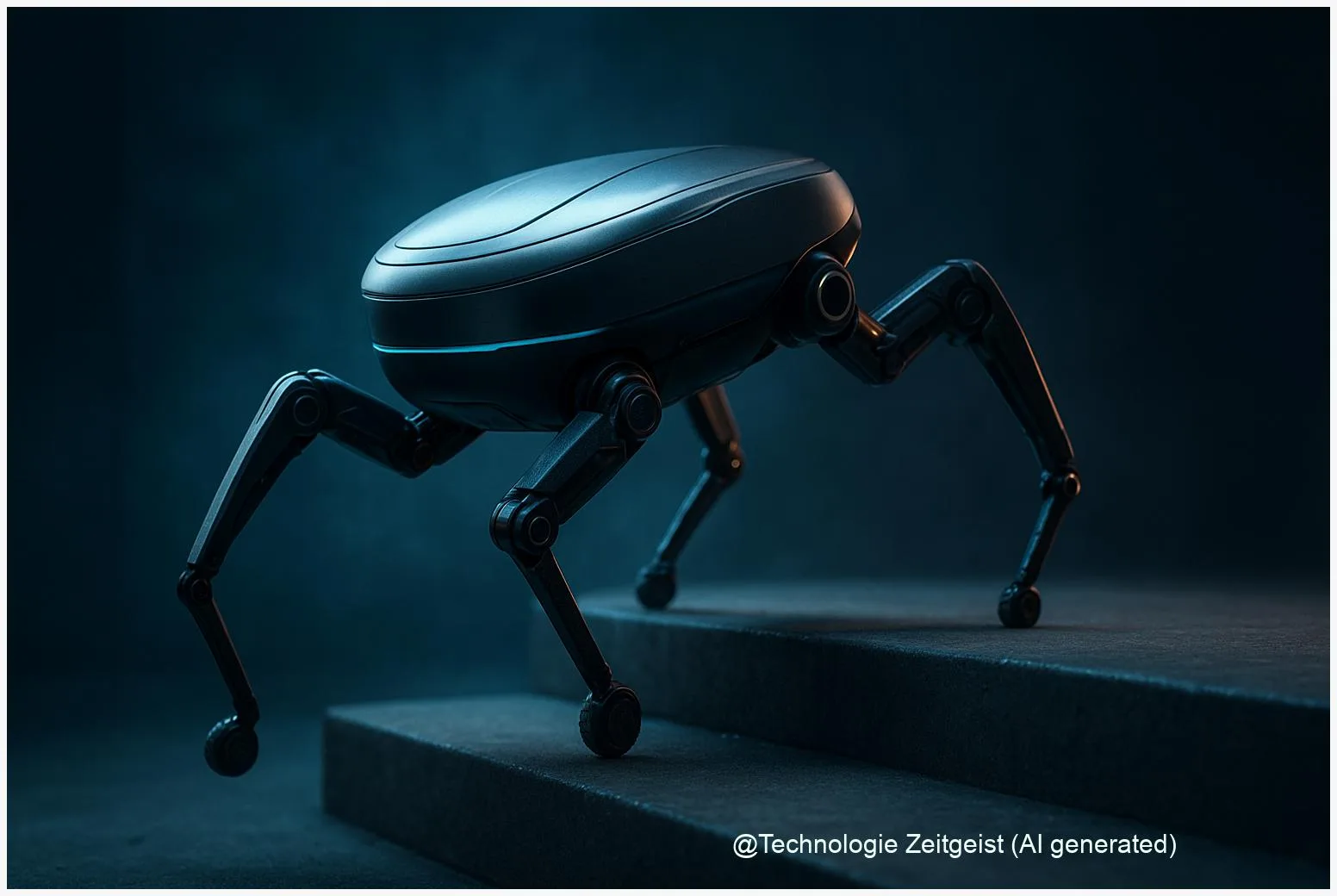
This winter, Roborock unveiled the Saros Rover at CES, a prototype that uses articulated “wheel‑legs”—legs with small wheels on their ends—to climb stairs while keeping cleaning brushes and suction active. Hands‑on reports and videos show it balancing, pausing and moving up short staircases in a demo area. Dreame, meanwhile, continues to ship models such as the X50 Ultra that lift over higher door thresholds (manufacturer claims about 4.2 cm) and has shown larger stair concepts at events. Across the industry the pattern is similar: working demos, public prototypes, and no announced mass‑market launch dates or full technical sheets yet.
What it means
For users, a robot vacuum with legs would reduce the need to move a machine between floors manually. That could save time in multilevel homes and help people with limited mobility keep floors cleaner without heavy lifting. For the market, manufacturers face trade‑offs: adding legs or lift systems increases mechanical complexity, cost and likely repair needs. Regulators and testers will want data on battery drain when climbing, mechanical durability after thousands of cycles, and fail‑safe sensors to prevent falls. Until independent lab tests appear, buyers should treat stair‑climbing claims as promising but not proven for everyday use.
What comes next
Expect more demos and incremental product announcements through 2026. Manufacturers typically follow trade‑show prototypes with limited releases or carrier accessories before broad rollouts, so a full consumer model may arrive in late 2026 or 2027 if tests go well. Independent reviewers and labs (for example RTINGS and major tech outlets) will be key to verify durability, energy use and cleaning performance on real stairs. Buyers should look for standardized test results and clear service/parts policies before committing.
Conclusion
Prototypes shown in early 2026 make stair‑climbing vacuums technically plausible for the first time in the consumer space. However, real‑world reliability, safety and cost remain open questions that independent testing must answer.
Share your experiences or questions about stair‑climbing vacuums below — and pass this article on to someone with stairs at home.




Leave a Reply