
Insights
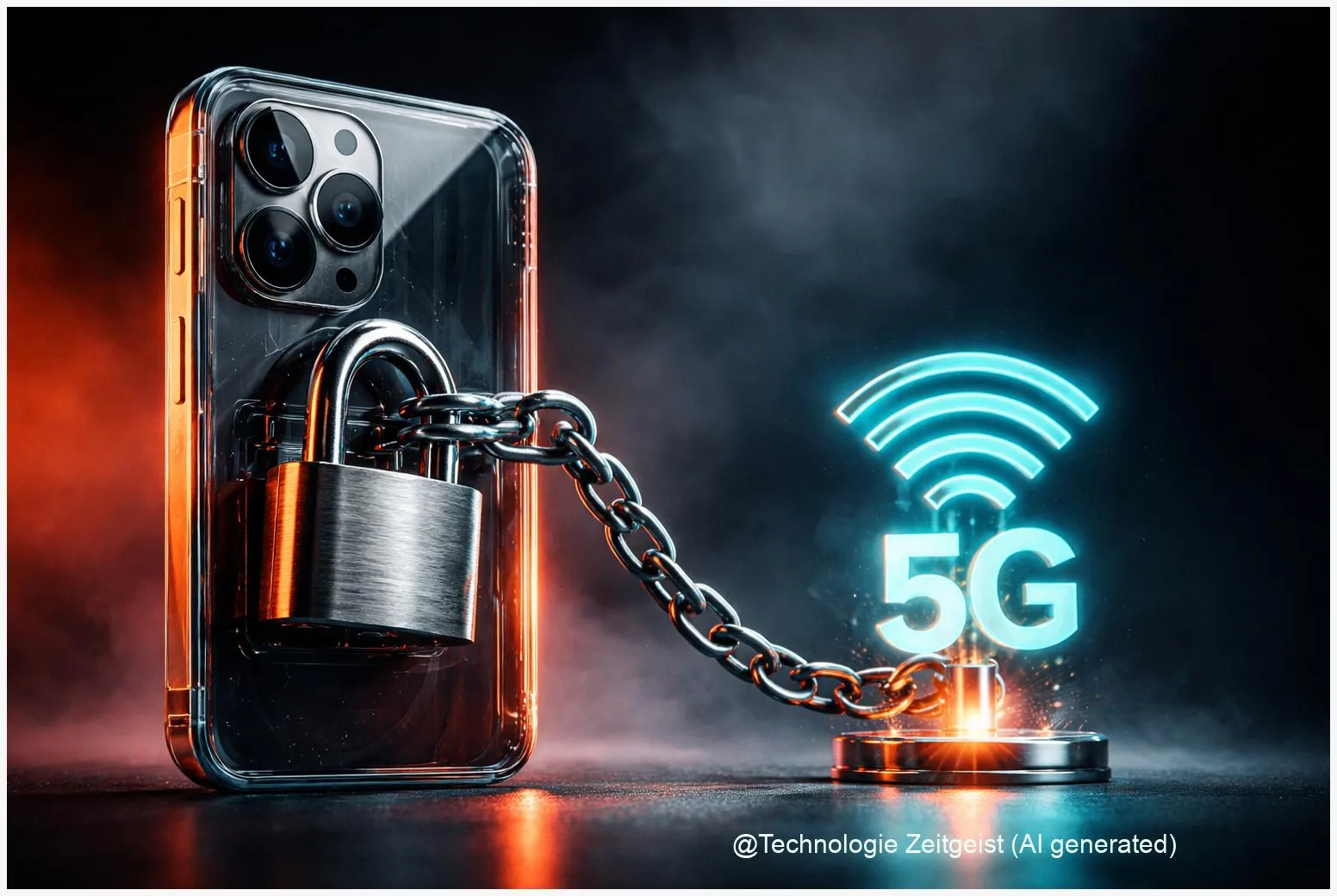
New phone unlocking rules allow carriers to keep network locks on some devices for longer. The change follows an FCC waiver and is aimed at reducing organized handset fraud. It affects how and when a phone can be unlocked and may mean more manual checks for customers.
Key Facts
- The FCC issued a waiver that lets one major carrier delay automatic 60‑day unlocks while an industry rule is developed.
- Carriers cite organized handset trafficking and subsidy abuse as the main reasons for longer locks.
- Technical limits — like differences between eSIM and physical SIMs and OEM unlock steps — make unlocking slower in some cases.
Introduction
Who: regulators and mobile operators. What: a recent FCC waiver lets a carrier extend the time before some phones are automatically unlocked. When: the order was released in January 2026. Why it matters: changes to phone unlocking rules can affect customers who want to switch SIMs or carriers, and they explain a rise in reported unlock delays.
What is new
In January 2026 the Federal Communications Commission granted a waiver that allows one carrier to pause the automatic 60‑day unlocking practice while a uniform industry rule is worked out. The waiver says the carrier must follow industry consumer‑protection commitments in the meantime. Regulators and the carrier cited organized handset trafficking — where subsidized phones are activated briefly then resold — as the main justification. The FCC order is public and explains the carrier provided loss estimates to justify the waiver.
What it means
For customers, the immediate effect is more cases where unlocking is request‑driven rather than automatic. That can mean extra verification steps and longer wait times. For example, a carrier may run checks on the device IMEI — a device serial number used on mobile networks — and on account status before starting an unlock. eSIM — an embedded SIM that can be provisioned remotely — adds technical complexity because remote profiles and OEM firmware sometimes need extra coordination. The change aims to reduce fraud but also risks added friction for honest customers.
What comes next
The FCC has signalled it wants an industry‑wide rule and issued a related notice earlier; regulators will now gather feedback and may set a uniform 60‑day standard with fraud exceptions. Meanwhile carriers and device makers will need to improve technical workflows — for example clearer unlock APIs, better eSIM handling, and standardized unlock logs — so legitimate customers are not stuck in long manual processes. Watch for public comments and a possible final rule in the coming months; in the short term customers should check carrier support pages and keep account documentation ready when requesting an unlock.
Conclusion
Phone unlocking rules are changing to give carriers more time to verify suspicious activations. This aims to curb organized handset fraud but may create short‑term friction for customers who want to switch SIMs or carriers.
If you’ve had trouble getting a phone unlocked, share your experience below and check your carrier’s unlock policy before requesting service.

Leave a Reply