
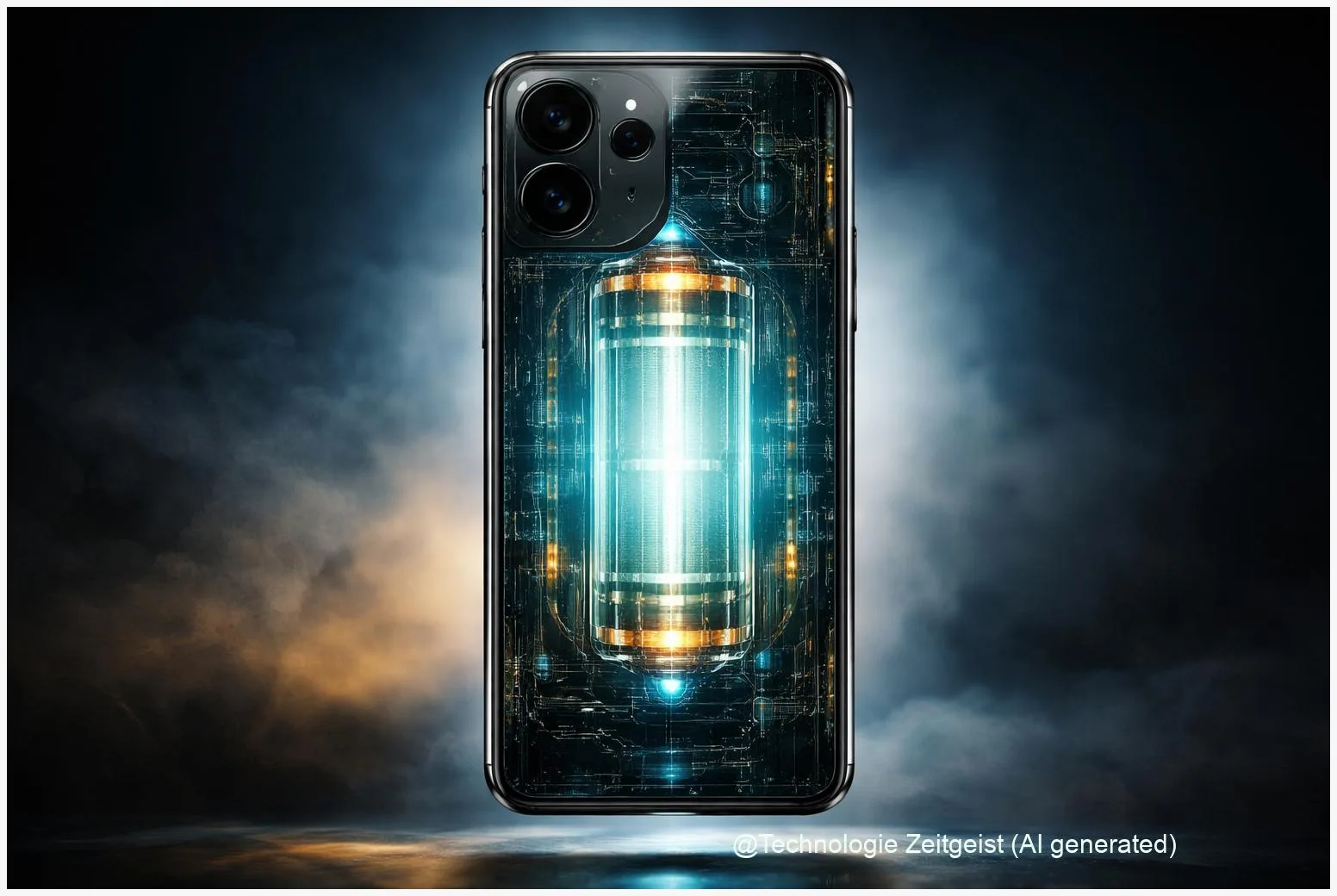
Phones that no longer need daily charging are becoming plausible because phone battery technology is shifting from removable cells to integrated designs and new cell chemistries. Structural and solid‑state approaches change where and how energy is stored inside the device, trading conventional cell volume for chassis integration or safer, denser materials. This article shows which technical trade‑offs determine whether you will actually charge less often, and what to watch in the next few years.
Introduction
Daily charging is the most visible limit of modern phones: users plug in overnight and still worry about heavy use, navigation, or a long day away from a charger. That routine hides a cluster of engineering constraints — how much energy a cell holds for its weight and size, how quickly it can deliver power, how heat is managed, and how safe the chemistry is when bumped or damaged. Over the past decade improvements mostly came from incremental gains in cell chemistry, software power management and larger cells. Now, two different design paths aim to change the baseline: denser cell materials such as practical solid‑state batteries, and structural or built‑in batteries that make the case and screen serve as part of the storage system. Both approaches address the same user problem (longer time between charges) but from opposite angles: more energy per mass versus better use of the phone’s physical volume.
Because mobile use mixes bursts of high power (gaming, navigation) with long, low‑power background tasks (notifications, sensors), the important question is not only how many watt‑hours a battery holds but how that energy is delivered safely and reliably in daily patterns. The chapters that follow explain the technical basics, give concrete examples you can check in device specifications, and point to credible research and roadmaps that indicate when these designs might become mainstream.
phone battery technology and structural batteries
At a basic level a battery stores chemical energy and releases it as electric current. Two metrics matter most for phones: energy density (how much energy per kilogram or per litre) and power capability (how quickly energy can be drawn without excessive heating). Conventional lithium‑ion pouch cells used in phones balance both by putting the active chemistry in a flexible pouch that sits inside the case.
Two emerging concepts aim to improve the experience in different ways:
- Solid‑state batteries (SSBs): replace liquid electrolytes with solid electrolytes. This can increase cell‑level energy density and improve safety because there is no flammable liquid. On paper SSB cells promise substantially higher Wh/kg; roadmaps from established research institutes set ambitious cell‑level goals for the late 2020s, but many materials still need interface and manufacturing work to meet phone requirements such as fast charging and thin form factors.
- Structural or built‑in batteries: integrate energy storage into the phone’s structure — for example battery layers co‑cured with the outer chassis or electrode fabrics that replace a conventional metal frame. The idea is to use parts of the device that previously only provided strength as additional battery volume. Prototypes show multifunctional composites, but current demonstrations are laboratory scale and often report lower effective Wh/kg than optimized pouch cells because part of the mass must remain structural.
Structural batteries can be thought of as “the chassis that stores energy”: they convert structural volume into useful Wh, but they also carry mechanical and safety trade‑offs.
If numbers make the difference clearer, a simple comparison helps:
| Concept | Representative energy density | Practical note |
|---|---|---|
| Modern pouch Li‑ion | ~180 Wh/kg | Proven for phones; good power and mature production. |
| Early solid‑state (prototype) | ~300–400 Wh/kg (cell‑level targets) | High potential but needs thin‑film processing and interface fixes for phones (Fraunhofer roadmap). |
| Structural/built‑in prototypes | ~50–120 Wh/kg (composite‑level) | Often heavier per Wh today because structural mass dilutes active material (ScienceDirect review). |
Sources for the current state include a recent review of structural battery research and industry roadmaps for solid‑state batteries; both show progress but underline that lab advances must be matched by manufacturing and safety validation before phones ship with these solutions at scale.
How built‑in and solid‑state cells appear in everyday phones
What does any of this mean for the phone you might buy? There are two realistic near‑term outcomes you can expect:
- Thin solid‑state layers inside a conventional pack. Manufacturers could adopt higher‑energy SSB cells in the phone’s usual battery pocket when suppliers produce thin, reliable membranes for mass production. This route keeps familiar service models but improves energy density and, potentially, fast‑charge tolerance if interface resistances are solved.
- Partial structural integration. Some phone components — mid‑frame, inner backplate or bezel — could be replaced by battery composites. This design increases usable energy without enlarging the phone, but it makes repair and recycling more complex and may increase weight unless composite energy density improves.
Concrete arithmetic helps to cut through marketing terms. A typical modern phone requires roughly 12–18 Wh of stored energy to match a full‑day use profile; 15 Wh is a useful round figure. At ~180 Wh/kg a conventional cell storing 15 Wh weighs about 83 g. If a structural composite achieves only ~80 Wh/kg at the device level, the same 15 Wh requires about 188 g and may cancel any chassis mass saving unless it replaces a heavy metal frame. In plain terms: structural batteries need to approach the energy density of pouch cells or provide notable space or thermal benefits to be a clear win for mainstream phones.
Solid‑state cells, in contrast, could reduce pack mass and volume if vendors deliver cell‑level energy close to roadmap figures. But small, thin phone cells introduce unique challenges: the solid electrolyte must be thin and defect‑free at scale, interfaces must remain low resistance across many cycles, and production yields must be high enough to keep costs acceptable.
For a user, the early signs that a phone benefits from these changes will be simple to spot in specifications: noticeably smaller battery volume for equal Wh, shorter advertised fast‑charge times without excessive heat, or explicit claims of pack‑level energy gains accompanied by third‑party datasheets and safety tests. Independent datasheets matter because marketing numbers often quote cell‑level optimistic figures that do not reflect phone‑level integration losses.
Opportunities, risks and practical tensions
Both solid‑state and structural batteries offer clear opportunities: longer runtime in the same package, thinner designs, and — with solid electrolytes — improved intrinsic safety. For manufacturers this can mean thinner phones, different thermal designs and new marketing categories such as “full‑day plus” without larger batteries. For users, longer periods between charges and better safety under impact would be the main benefits.
At the same time several tensions are important and non‑technical buyers should understand them:
- Safety and damage modes: structural batteries integrate energy storage into load‑bearing parts. If the chassis cracks, electrical containment and thermal propagation must be managed differently from a removable pouch cell. Solid electrolytes reduce flammable liquids but can present new failure modes at interfaces.
- Repairability and service: phones with built‑in structural energy may be harder to repair or replace at a service centre. That raises cost and circular‑economy questions; second, integrated packs change how recycling and disassembly work at end‑of‑life.
- Manufacturing scale and cost: many structural battery demonstrations use specialised composite processing. Scaling to millions of phone chassis at acceptable yield is a separate industrial challenge. Similarly, thin SSB membranes require high‑throughput, low‑defect manufacturing to be economical.
- Standards and validated claims: until vendors publish standardized datasheets for thin SSB or integrated packs (energy per kg at device level, cycle life at real‑world charge rates), designers and buyers must treat early claims with careful skepticism.
On the environmental side, integrated batteries complicate separation of materials for recycling. If you are interested in how battery end‑of‑life is handled, TechZeitGeist reporting on battery recycling provides practical context about collection and processing capacity for batteries and related products; that discussion shows why pack design and recycling policy must advance together.
Where the change could lead — realistic timelines
Industry roadmaps and lab demonstrations suggest a staged rollout rather than a single sudden switch. Key milestones to watch over the next few years are:
- Phone‑grade SSB datasheets from cell vendors. When suppliers publish thin‑cell datasheets with standardized tests (Wh/kg and Wh/L at relevant C‑rates, cycle life at realistic depths of discharge, abuse tests), integration becomes an engineering question rather than a marketing claim. Roadmaps from research bodies set optimistic targets for the late 2020s, but practical adoption depends on vendor validation.
- Normalized reporting for structural prototypes. Researchers and manufacturers must show Wh per device including chassis mass replaced. That lets engineers judge whether integration produces net mass or volume gains.
- Modular or hybrid approaches. The most likely near‑term phone designs will mix technologies: a higher‑energy SSB cell in a traditional pack combined with targeted structural elements that do not carry full energy responsibilities. This reduces service and recycle headaches while still improving runtime.
- Regulation and lifecycle systems. Extended producer responsibility, battery passports and better recycling infrastructure reduce the environmental cost of more complex packs. Progress here will influence whether manufacturers adopt harder‑to‑disassemble designs at scale.
For readers tracking the development, two practical signals suggest realistic progress: independent third‑party tests that reproduce vendor numbers, and pilot phone models that include clear engineering notes (e.g., whether a new cell requires transient heating for fast charging). Industry pilots in other device classes — for example power modules and small vehicle packs — give early system‑level lessons but do not substitute for phone‑grade validation. If you are technically curious, our piece on small data centers and edge energy planning shows how device design must align with broader energy and thermal strategies.
Conclusion
Longer intervals between charges are achievable, but not by a single magic technology. Solid‑state batteries offer higher cell‑level energy and improved safety once thin, low‑resistance membranes and reliable interfaces are mass‑manufactured. Structural or built‑in batteries can reclaim device volume for storage but must close a difficult energy‑density gap and address repair and recyclability. In the coming years expect hybrid designs, clearer vendor datasheets, and selective use of integrated battery elements in premium devices first. For consumers, the practical indicators of meaningful progress will be verifiable device‑level energy figures, unchanged serviceability, and independent safety tests rather than promotional headlines.
Share your thoughts: which battery trade‑off matters most to you — runtime, weight, or repairability? Join the conversation and share this article.


Leave a Reply