
Insights
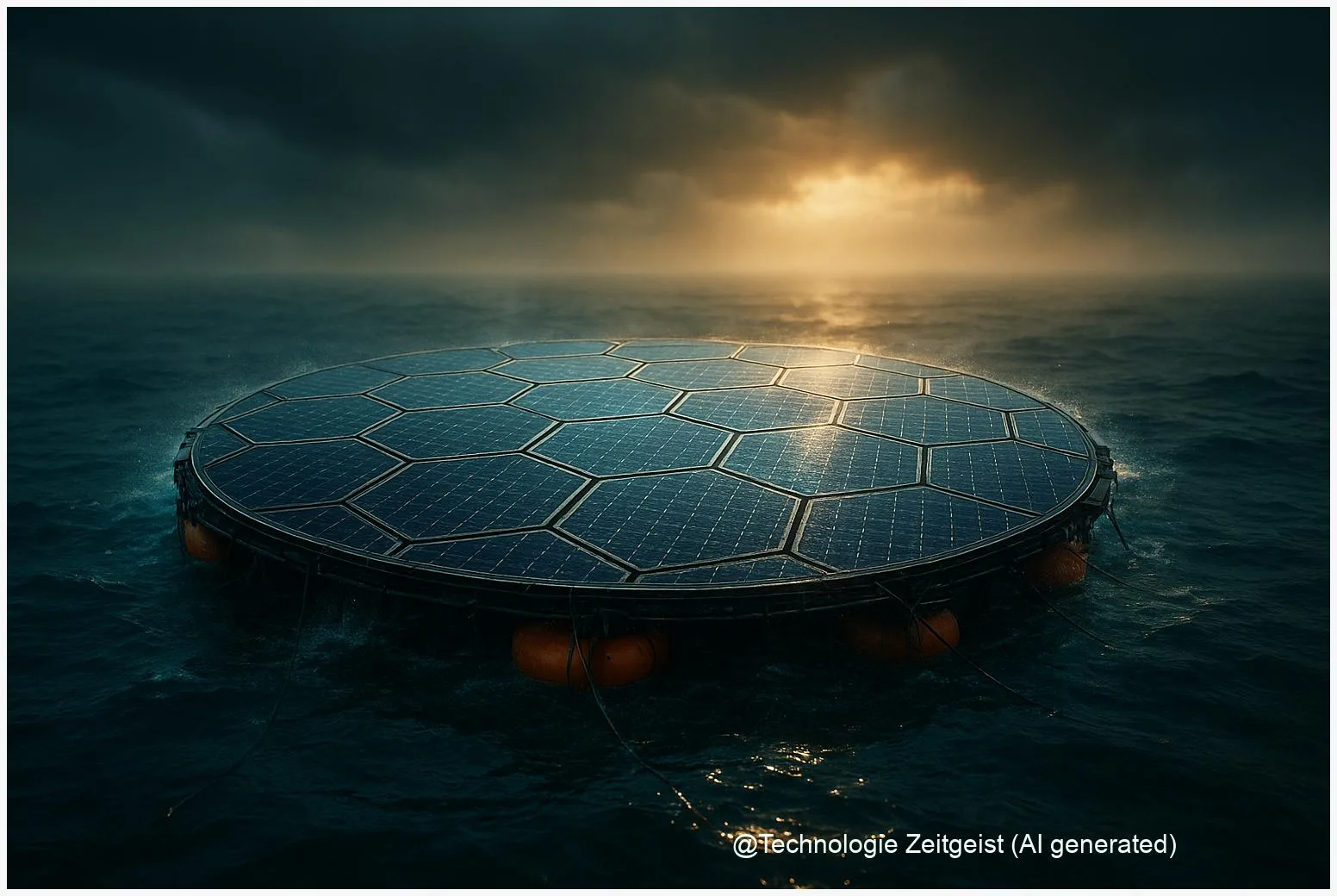
Offshore solar is moving from small pilots to much larger sea projects thanks to stronger floating platforms, hybrid designs with wind farms and clearer rules. Recent 2024–2025 pilots and an IEA lifecycle study show potential — but long‑term durability, costs and rules still need field proof and standards.
Key Facts
- Small offshore pilots were installed in 2024; one demonstrator is about 0.5 MW and larger hybrid concepts are planned.
- An IEA 2024 analysis finds floating PV carbon footprints around 49–55 gCO2e/kWh in tested cases, sensitive to module origin and lifetime.
- China reported large offshore floating projects in 2024, underlining rapid technical and regulatory momentum in some regions.
Introduction
Who: developers, research groups and governments. What: offshore solar is scaling from test arrays to bigger sea installations. When: key pilots and announcements appeared in 2024–2025. Why it matters: the sea offers large space near demand centers, but grid links, durability and environmental checks will decide whether projects become common.
What is new
In 2024 and 2025 several demonstrators and announcements pushed offshore solar from laboratory ideas toward real sea trials. Developers installed small offshore floating arrays — for example a roughly 0.5 MW pilot reported by a major developer and a floating‑platform specialist. At the same time, companies announced large hybrid plans that pair floating solar with offshore wind, reaching combined capacities in the hundreds of megawatts on paper. Independent reports also noted a 1 GW‑scale floating park coming into service in Asia during 2024, showing that large projects are already progressing in some regions. These steps are backed by an IEA PVPS 2024 study that compares carbon footprints and highlights manufacturing and lifetime as decisive factors.
What it means
For grid operators and planners, offshore solar offers extra generating area close to coasts, which can reduce transmission needs compared with distant land sites. For investors and users, the benefits are lower land use and the option to combine solar with wind infrastructure. The risks: sea conditions increase wear, so real lifetime and maintenance costs are still uncertain. The IEA analysis shows floating systems can have competitive carbon footprints but are sensitive to where modules are made and how long installations last. Regulators will need clear permitting, and environmental monitoring must accompany pilots to track effects on marine life.
What comes next
Next steps are extended sea trials and standardised monitoring. Pilots installed in 2024–2025 should report multi‑year performance data on yield, degradation and maintenance. Developers expect planning and permitting to take several years for very large sites; some hybrid projects have target commercial dates in the second half of this decade, but those schedules depend on grid connection work and permits. Policy moves that require lifecycle data and favour lower‑carbon module supply chains would speed more cautious, climate‑friendly rollouts. Open questions remain about mooring costs in deep water and how to scale recycling for float materials.
Conclusion
Offshore solar is no longer only a concept: improvements in platform design, hybrid planning with wind, and clearer policy have made larger sea projects possible. Still, real commercial scaling depends on multi‑year field data, standard rules for permits and stronger recycling and module‑sourcing policies.
Join the discussion and share this article if you found it useful.


Leave a Reply