
Insights
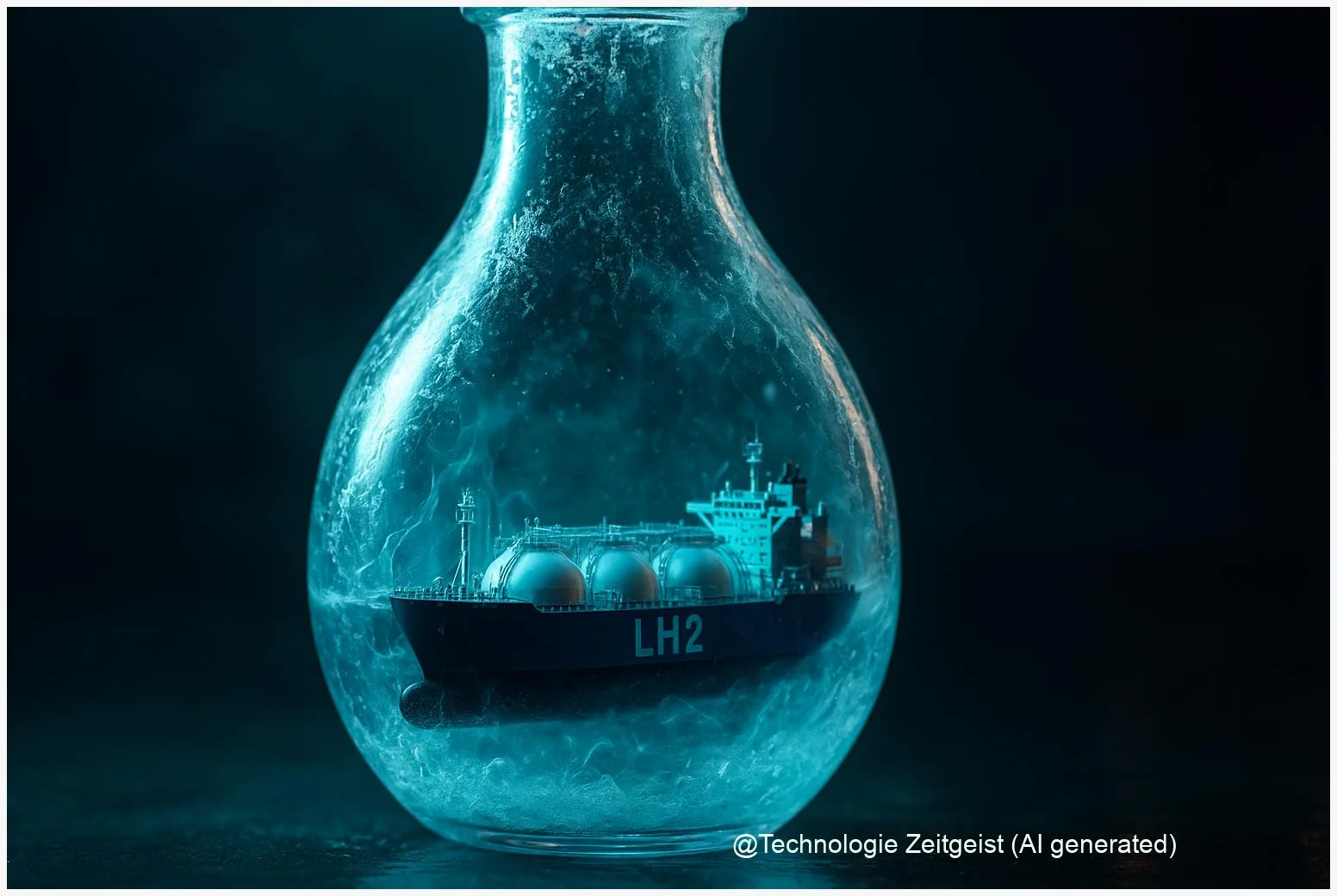
New reports describe a planned large liquefied hydrogen carrier that could change long-distance hydrogen shipping. This article explains what is new, why a ~40,000 m³ carrier matters for costs and terminals, and how it compares to ammonia, pipelines and other options.
Key Facts
- A reported contract aims to build a roughly 40,000 m³ liquefied hydrogen carrier as a stepping stone to larger ships.
- The Suiso Frontier pilot voyage in 2022 demonstrated LH2 sea transport but is now more than two years old and remains a technical test.
- Larger LH2 ships reduce relative losses but raise terminal and safety costs compared with ammonia or LOHC shipping.
Introduction
Industry reports in early 2026 describe a new contract to build what is called the world’s largest liquefied hydrogen carrier to date. The step follows the 2022 Suiso Frontier pilot voyage (this 2022 data is older than 24 months). The move matters because bigger ships change the economics and infrastructure needs for global hydrogen trade.
What is new
Media and industry sources report a contract to build a roughly 40,000 m³ liquefied hydrogen carrier, a large step up from the 1,250 m³ Suiso Frontier pilot ship used in 2022. The 2022 Suiso Frontier voyage proved basic loading, sea transfer and unloading procedures but was explicitly a technical demonstration. The newly reported ship is presented as a commercial-scale demonstration and is intended to test longer sea routes, stronger insulation and boil-off management at a larger volume. Kawasaki and partner organisations have for years described even larger concept ships in the 100,000–200,000 m³ range as long-term goals, so a 40,000 m³ build fits a staged scaling strategy rather than an immediate leap to the largest concepts.
What it means
A larger liquefied hydrogen carrier can lower the cost per kilogram by spreading fixed costs and reducing relative boil-off losses. Boil-off is the small amount of hydrogen that warms and evaporates from very cold tanks; managing it requires high-quality insulation or onboard reliquefaction. But bigger ships also need bigger, specialised terminals, stricter safety arrangements and often higher capital expenditure. For importers, this raises the bar: ports must invest in handling and storage, while buyers must secure steady offtake to justify the ship. Compared with ammonia or LOHC shipping, LH2 removes the need for chemical reconversion but currently costs more to liquefy and store.
What comes next
Next steps will include technical specification publication, sea trials, and port compatibility studies. Industry reporting places early demonstration activity and further trials over the rest of this decade, with some projects indicating demonstration windows toward around 2030–2031. Regulators and standards bodies will need to agree uniform safety rules and emissions accounting for imported hydrogen. Open questions remain on real-world boil-off rates at scale, the cost per delivered kilogram, and how green hydrogen claims will be certified when production depends on local energy and CCS measures.
Conclusion
The reported large liquefied hydrogen carrier marks an important scaling step from pilot ships toward commercial LH2 trade corridors. It could lower transport costs per kilo but requires major port upgrades, clear safety rules and verified emission accounting before it can support large-scale trade.
*We welcome your thoughts — please share and discuss how ports, regulators and buyers should prepare for large-scale LH2 shipping.*


Leave a Reply