Insights
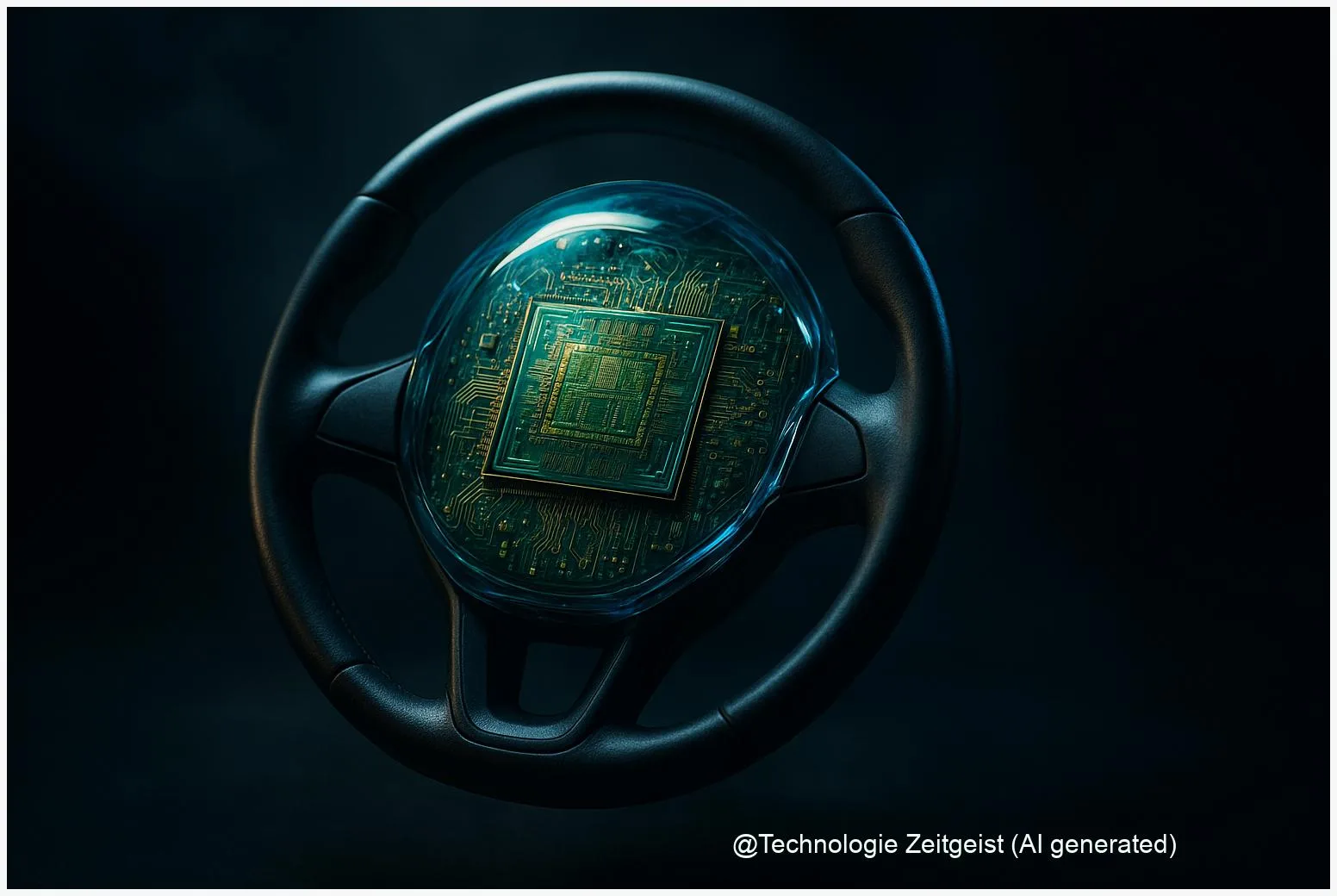
Nvidia’s DRIVE Thor is the latest platform change for AI chips for cars: a high‑performance vehicle computer, wider Hyperion sensor kit and new software tools. Manufacturer performance claims are strong, but metrics vary and independent field validation remains limited.
Key Facts
- DRIVE Thor is offered as a central vehicle AI computer and as Jetson Thor modules for edge devices.
- Nvidia quotes multi‑TFLOP performance numbers, but values depend on precision (FP4/FP8/INT8) and configuration.
- Multiple automakers and robotaxi developers are named as partners, but large‑scale independent field data is still scarce.
Introduction
Nvidia has updated its automotive platform around DRIVE Thor, combining a new Blackwell‑based chip design, Hyperion sensor integration and cloud/edge tooling. This matters now because carmakers and robotaxi firms are planning to use Thor in upcoming vehicles, but buyers should note that published performance figures need careful interpretation.
What is new
Nvidia’s announcement bundles several moves: DRIVE Thor as a central in‑vehicle computer, Jetson Thor modules for edge robotics, an expanded Hyperion sensor ecosystem and new model/tooling families (Alpamayo) for autonomous tasks. Thor is built on Nvidia’s Blackwell GPU architecture; Blackwell is optimised for transformer‑style models used in generative and perception AI. Nvidia publishes multi‑TFLOP numbers for Thor — for example roughly 1,000 to 2,000 teraflops depending on arithmetic format. A teraflop is a trillion floating‑point operations per second, a rough indicator of raw compute: different formats (FP4, FP8, INT8) change how those numbers translate to real workloads. These product details and partner lists appear in Nvidia press material and datasheets from 2024–2025, while some original Thor announcements date back to 2022 and are therefore older than 24 months.
What it means
For carmakers and suppliers, Thor promises a single compute platform that can run instrument cluster software, driver assistance and heavier autonomy models. That can cut hardware complexity if integration and safety certification proceed cleanly. For drivers it could mean smarter driver assistance and more capable robotaxi software. However, the headline performance figures come from the manufacturer and use different measurement units, so buyers should ask for application‑level benchmarks (for lane‑keeping, perception or long‑tail events). Regulatory certification and independent safety evaluations are the real gating items: manufacturers list TÜV and ISO steps in their releases, but full, public certifications and large‑fleet field reports remain limited as of early 2026.
What comes next
Expect three near‑term steps: first, more OEM integration announcements as makers map which vehicle functions run on Thor; second, independent benchmarks and lab reports (for example MLPerf‑style suites or TÜV test results) to make numbers comparable; third, regulatory steps and pilot fleets reporting operational hours and safety cases. Procurement teams should require precise metric definitions (which numeric format was used), ask for safety dossiers (ISO 26262/ISO 21434 scope) and run proof‑of‑concepts with the planned sensor stack. Watch for published independent tests in 2026 that show real‑world inference throughput, latency and fail‑operational behaviour.
Conclusion
Nvidia’s DRIVE Thor tightens the tie between high‑end chip design, sensors and software tooling for automotive AI chips for cars. The platform could simplify architectures and enable stronger in‑vehicle AI, but quoted performance numbers are metric‑dependent and independent, large‑scale field proof is still limited. Buyers should insist on clear benchmarks, safety documentation and pilot results before wide deployment.
Please share your experience with automotive AI platforms below and pass this on to colleagues.

Leave a Reply