
Insights
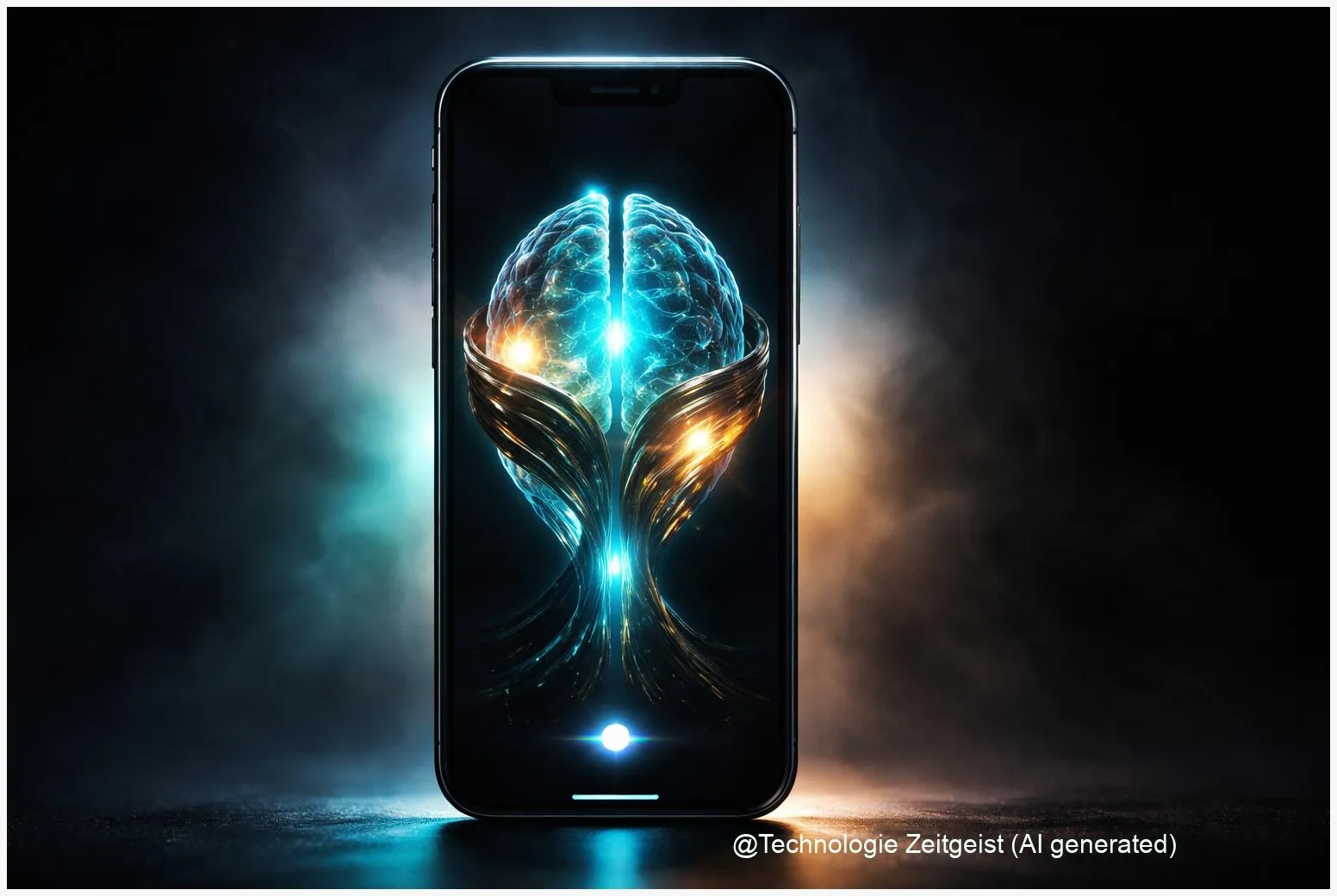
Reports say Apple will license Google’s large Gemini model to boost Siri and Apple Intelligence. Google Gemini on iPhone would likely run as a hybrid: small models on-device and a larger Gemini backend in private cloud, changing how iPhones handle complex AI tasks and privacy trade-offs.
Key Facts
- News reports indicate Apple licensed a customized Google Gemini model to enhance Siri and Apple Intelligence.
- Apple is expected to use a hybrid setup: small on-device models for routine tasks and a cloud-hosted Gemini for complex queries.
- The arrangement raises practical trade-offs: better capabilities, possible data routing to cloud, and regulatory and battery/latency considerations.
Introduction
Who: Apple and Google. What: reports say Apple will surface Google’s Gemini capabilities inside iPhone assistive features. When: the story is current as of 12 January 2026. Why it matters: Google Gemini on iPhone could make Siri smarter but also shifts some processing from the device to cloud systems, with effects on privacy, speed and battery life.
What is new
Journalistic reports have described a commercial arrangement in which Apple will use a customized variant of Google’s Gemini models to power more advanced Apple Intelligence features. The reporting names a very large Gemini variant for heavy tasks while Apple’s own small on‑device models handle routine interactions. Technical research from Apple and academic surveys show this hybrid pattern is the industry norm: tiny models on phones for instant replies, plus cloud-hosted larger models for long conversations or multimodal processing.
What it means
For users, the immediate promise is more capable assistant features — better summaries, longer context in conversations and improved handling of images or files. In practice, Apple will likely run a small model on-device for quick, private tasks and call a cloud-hosted Gemini for heavy requests. That split improves capability but can route more data off the phone, creating privacy and regulatory questions that need clear user controls. There are also engineering trade-offs: cloud calls add latency and recurring cost, while bigger on-device models affect battery and heat.
What comes next
Expect staged rollouts and technical testing before any wide release. Apple will need proof-of-concept work on latency, power draw and accuracy; engineers will set rules for when a query stays local or is escalated to Gemini in the cloud. Regulators and privacy teams will examine cross‑company data flows, and Apple will likely offer more granular consent toggles. For everyday users the change will arrive gradually as features and controls are tested and adjusted.
Conclusion
The reported Apple–Google arrangement could make iPhone assistants noticeably smarter while following a hybrid device‑plus‑cloud design. The core trade-off is capability versus data flows: faster, richer features but greater dependence on cloud services and clear user consent settings.
Join the conversation: tell us how you would like AI assistants to balance speed, privacy and usefulness—and share this story.

Leave a Reply