
Insights
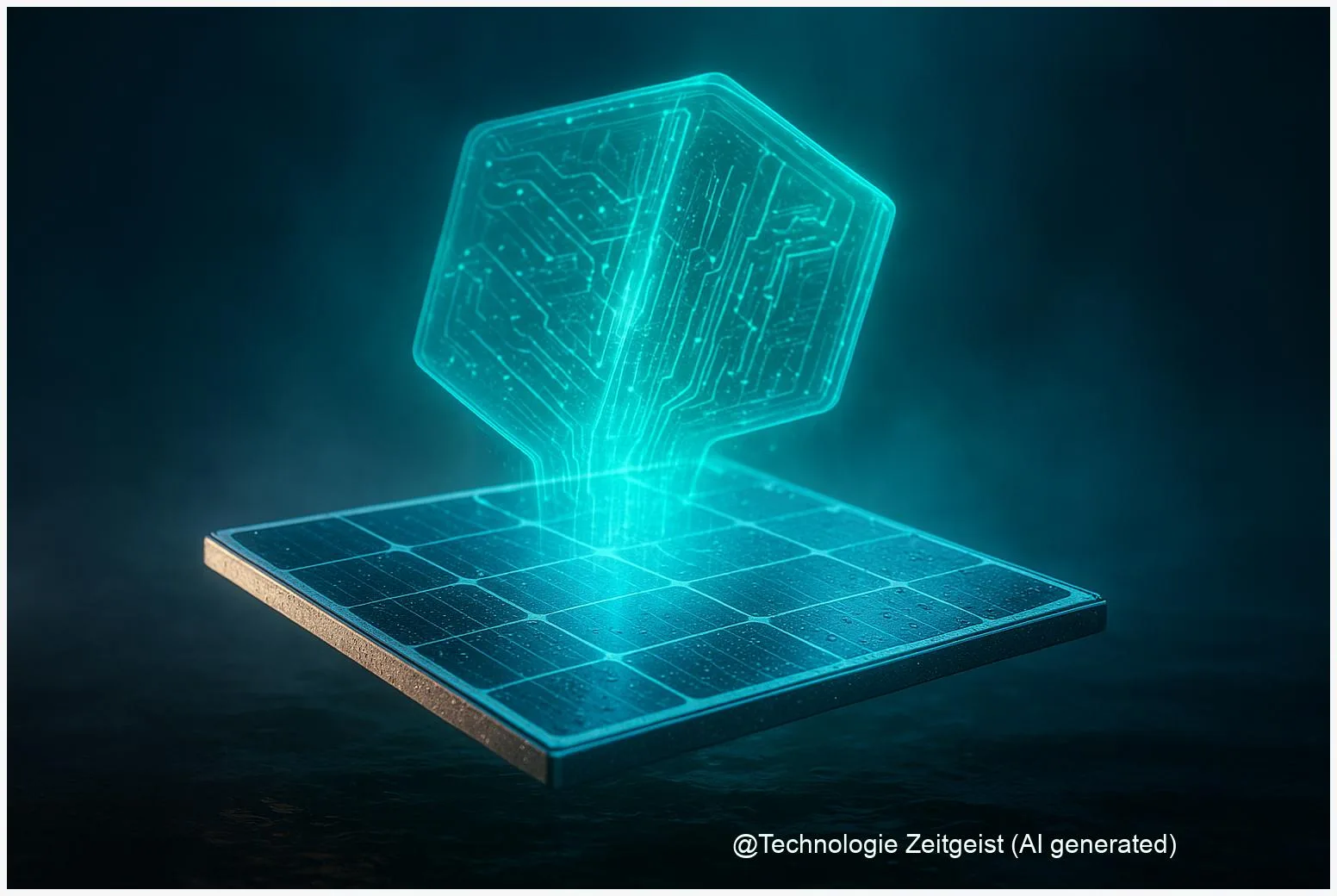
Recent lab and pilot work shows that a floating solar digital twin — a virtual, AI-driven copy of a floating PV site — can sharpen forecasts and guide operations. Early evidence suggests this may raise energy output by a conservative 1–6 % at many sites, while results remain site-specific and need field validation.
Key Facts
- Laboratory digital‑twin models in 2025 predicted module temperature and power with high accuracy (R² ≈ 0.9996 for temperature, R² ≈ 0.92 for power).
- Conservative, project‑level energy uplift estimates for floating PV with AI‑driven twins are about 1–6 % depending on site and design.
- Digital twins need high‑quality telemetry (SCADA, module T, water and wind data) and standard KPIs to be comparable across projects.
Introduction
Researchers and pilot teams in 2024–2025 have combined sensor data, hydrodynamic models and machine learning to build a floating solar digital twin that predicts temperature, output and faults. The development matters because cooler panels over water and smarter operational decisions can change a project’s revenue and maintenance needs. Field proof and economic checks remain essential.
What is new
In 2025 a peer‑reviewed lab study used 155 controlled scenarios in a wave tank to train a two‑stage AI digital twin that combined physical modelling and reduced‑order neural networks. The model reached very high fit for module temperature (reported R² ≈ 0.9996) and strong fit for power (R² ≈ 0.92), demonstrating that complex water‑air‑panel interactions are modelable with modern AI. Industry reports and a 2024 EPJ Photovoltaics paper supply complementary field and CFD data on cooling mechanisms and heat‑transfer parameters. Together these sources mark a step from isolated simulations toward hybrid lab→CFD→field validation chains, but most large‑scale field results are still limited.
What it means
A digital twin uses live telemetry (power, module front/back temperature, irradiance, wind, water temperature and mooring forces) and weather forecasts to predict short‑term output, spot early faults and schedule maintenance. For operators this can lower unplanned downtime and optimise inverter or tilt settings to gain a few percent more yield. Conservatively, engineers and reviews point to typical project uplifts around 1–6 %; larger gains reported in isolated tests often come from special cooling designs or lab conditions and are not yet generalisable. The approach also raises data governance and environmental monitoring needs: water quality and ecosystem effects must be tracked alongside performance metrics.
What comes next
The next practical steps are standardised field pilots and open benchmarking. Short pilots (6–12 months) with co‑located floating and ground arrays, identical modules and agreed KPIs will test the twin’s real uplift. Mid term (12–36 months) should see pilots publish anonymised telemetry, combine CFD calibration with field data, and run LCOE sensitivity tests so investors can judge bankability. If pilots confirm consistent uplift and reduced O&M costs, bigger demonstrators can follow and regulators may add guidance on telemetry standards and environmental monitoring.
Conclusion
AI‑backed digital twins make the physics of floating PV easier to predict and offer practical gains in forecasting, fault detection and operations. Early evidence supports modest, conservatively estimated yield increases of about 1–6 %, but full confidence requires standardised field pilots and open data.
Join the conversation: share your experience with floating PV pilots or AI tools and help improve industry benchmarks.


Leave a Reply