
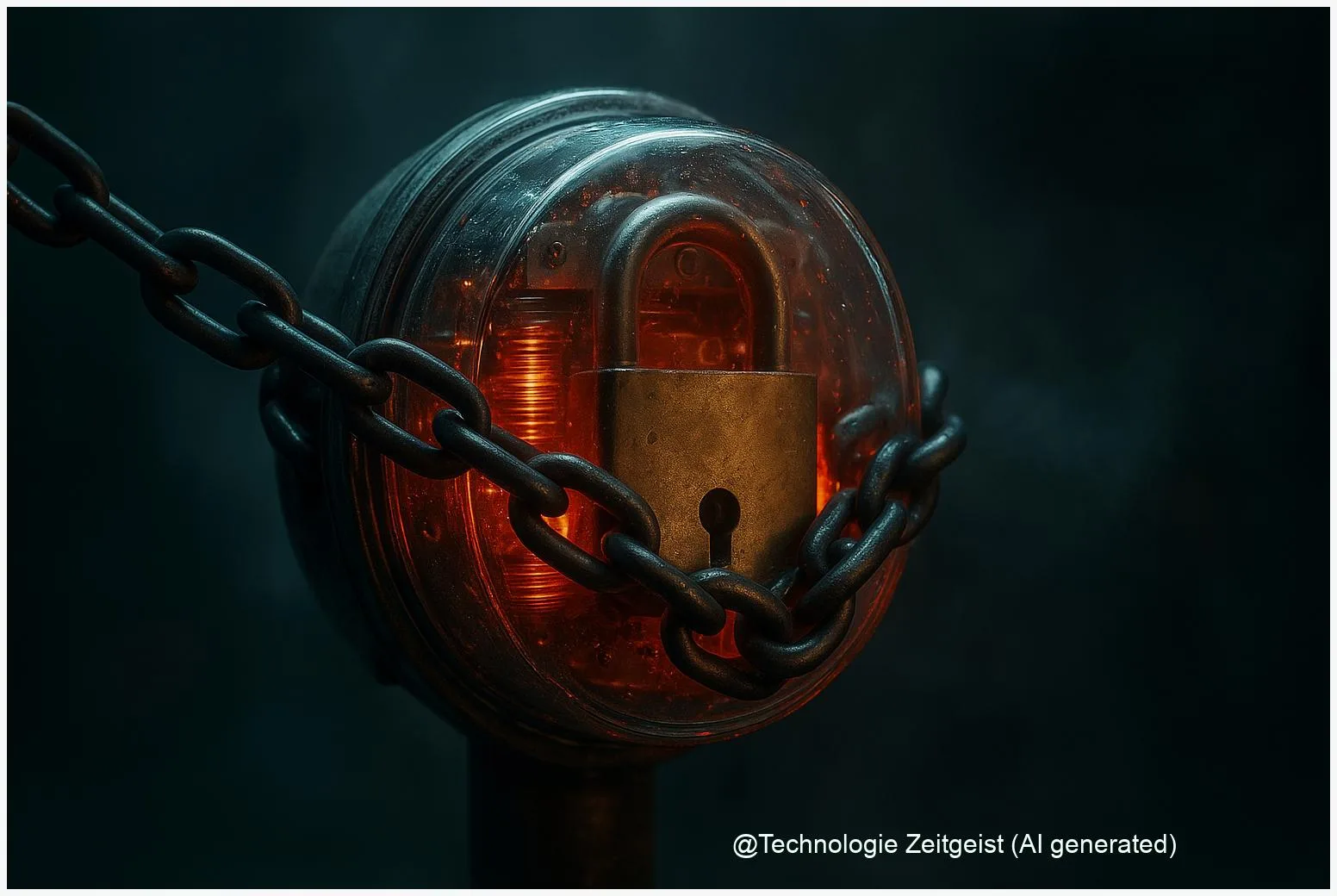
Many households are puzzled when their electricity bill stays high despite using less power. One reason is fixed charges: recurring fees that cover the grid, meters and administrative costs regardless of how many kWh you consume. These fixed charges change how savings show up on the final invoice and can explain why lower consumption does not always mean a proportionally lower bill. Fixed charges, often called standing or network charges, are now a larger share of end prices in several European markets.
Introduction
At first glance, electricity bills seem simple: multiply the price per kilowatt-hour (kWh) by the amount used, add taxes, and pay. In practice, many invoices contain several fixed or standing charges that do not depend directly on consumption. These items pay for the poles, cables, substations, metering and customer service that keep the lights on day after day.
For someone who just reduced heating or uses fewer appliances, these fixed items can blunt the visible effect of lower consumption. The result: the meter shows fewer kWh, but the final amount falls only a little. Understanding the role of fixed charges clarifies policy debates and personal choices: should networks recover costs through flat fees or per-kWh prices, and which option is fairer for low‑consuming households?
What fixed charges are and why they exist
Fixed charges are periodic fees on an electricity invoice that do not vary with how many kilowatt-hours a household uses. They typically appear as a daily or monthly standing charge, a connection fee or as capacity-related items measured in kW. Their basic purpose is to recover costs that remain even if consumption is low: network maintenance, investments in transformers and lines, meter reading, and customer management.
Regulators and network operators describe these fees as a way to make sure necessary infrastructure is funded even when energy use falls seasonally or as efficiency improves.
Why not recover all costs via a per-kWh price? A volumetric approach sends clear incentives to reduce consumption, but it also makes network income vulnerable to falling demand. As households adopt heat pumps, electric vehicles or rooftop solar, consumption patterns shift. Fixed charges give network operators predictable revenue to cover long-term investments.
There are several common forms:
- Flat standing charge: a fixed amount per month or per day.
- Capacity charge: a fee based on the maximum capacity of an installation (often per kW).
- Service or meter charge: covers metering equipment, billing and customer support.
How large are these components in a bill? The balance between volumetric and fixed parts varies by country and supplier. The table below gives a compact example of typical invoice elements rather than exact values for a single country.
| Feature | Description | Value |
|---|---|---|
| Energy supply | Wholesale purchase and supplier margin | ~40% of the final bill (varies) |
| Network & fixed charges | Grid maintenance, metering, capacity | ~25–35% of the final bill (typical range) |
| Taxes & levies | Policy surcharges, VAT | ~25–35% of the final bill (varies) |
Across Europe these shares vary. For example, Eurostat and national regulators report differing mixes, and some countries rely more on capacity or flat fees than others. Those design choices have direct effects on how much a bill falls when consumption is reduced.
How fixed charges can keep your bill high even when you use less
To see the effect in everyday terms, consider two households that both reduce consumption by 20 % over a year. If most of a bill is a per-kWh charge, their payments drop roughly in line with usage. But if a substantial portion is a standing charge, the relative saving is much smaller.
Example in plain numbers: assume a household pays a total of €1,000 annually: €400 for energy (volumetric), €300 for network and fixed charges, and €300 for taxes and levies. A 20 % cut in consumption might reduce the energy part by €80. The bill drops from €1,000 to €920 — a fall of only 8 %. That illustrates why lower consumption does not always feel rewarding on the bank statement.
Fixed charges also have subtler impacts:
- Low consumers are proportionally more affected. If you already use little energy, a flat monthly fee makes up a larger share of your bill.
- Large appliances and peak demand. Capacity charges can penalize short high-power events (for instance, charging many devices simultaneously), so users who occasionally draw high power may see higher bills.
- Solar households. Households with rooftop PV often export energy at low prices; standing charges still apply, reducing potential savings from self-consumption.
Policy choices matter. Regulators in the EU have been discussing whether to shift more cost recovery to time-of-use (ToU) volumetric pricing, which charges different rates depending on when power is used, or to keep higher fixed elements to protect network revenue. ACER and CEER (European regulatory bodies) recommend transparent, cost-reflective designs that avoid unfair burdening of low-income or low‑consuming households, while giving the right signals for system operation.
For an individual consumer, two practical observations follow: check the invoice breakdown and watch for capacity‑based elements. If a standing daily charge or a capacity fee forms a sizeable share, then reducing kWh will help — but not as much as you might expect.
Who pays more — distribution and fairness
Whether fixed charges are fair depends on perspective. From the network operator view, predictable revenue is needed to maintain long-lived assets. From a social perspective, spreading costs via per-customer fixed fees can shift burden to those who use less energy: seniors, single-person households and low-income families.
Across Europe the share of net costs in household bills typically ranges between about 20 % and 45 %. Recent national figures show that in some markets network-related components account for a quarter to a third of household bills. In Germany, for example, agency and industry reports indicate average network-related charges around 10.9 ct/kWh when expressed as a volumetric equivalent, though invoicing methods differ by supplier and contract.
Distributional effects matter for policy. If fixed charges rise to protect network finances as consumption falls, regulators may need compensating measures to protect vulnerable consumers. Alternatives include reduced standing fees for low-income households, targeted discounts, or lifeline volumetric bands where the first block of consumption is priced lower.
There is also a tension around electrification. Electric vehicles, heat pumps and new loads create higher peaks and new capacity needs. If networks recover the cost of these upgrades largely through fixed fees, early adopters could carry a large part of the burden, discouraging electrification. Conversely, if costs fall on volumetric charges, they dilute the efficiency signal that encourages users to avoid peak times.
Transparent billing and clear public data are essential. Several European regulatory reports urge standardised breakdowns so households can compare offers and understand how much of their bill is unavoidable. That information helps policymakers design targeted social protections while keeping incentives for efficient energy use intact.
Where tariffs may go next and what to watch
Regulators and network planners are exploring several directions. One path is more time- and load-reflective volumetric pricing: tariffs that charge different rates by hour and by total consumption at peak times. That can keep per-kWh signals strong while still allowing networks to recover costs by shaping peak demand.
Practical changes to watch for:
- Time-of-use (ToU) volumetric tariffs with peak, shoulder and off-peak rates. When well designed, they reward shifting flexible loads to cheaper hours.
- Dynamic capacity signals that bill for measured peak capacity rather than an assumed allowance per connection. This requires metering and data handling improvements.
- Targeted social measures: reduced standing charges for low-income or low-consumption households to avoid regressive effects.
- Greater transparency: standard invoice templates and clear metrics so customers can compare offers easily.
These options come with trade-offs. Time-varying volumetric pricing requires smart meters and clear communication. Capacity-based billing can be fairer in cost causation terms but may be harder for consumers to predict. Regulators in Europe such as ACER and national agencies are recommending pilot programmes and staged rollouts so customers and markets can adapt.
For households, the most useful actions now are simple: review the invoice breakdown, ask your supplier for a detailed explanation of standing or capacity charges, and consider shifting flexible loads (dishwasher, washing machine, EV charging) to cheaper hours if your tariff rewards it. For community groups and policymakers, the focus should be on designing protections that keep electricity affordable while ensuring networks can finance necessary upgrades.
Conclusion
Fixed charges are a structural part of modern electricity pricing. They provide network revenue stability but also change how savings from lower consumption appear on the bill. When standing or capacity fees form a sizeable share, cutting kWh brings only partial relief. Debates about fairness and efficiency are leading regulators toward more transparent, cost-reflective tariffs that combine time‑varying prices with social protections. For individual customers, understanding the invoice breakdown and the timing of consumption is the most effective way to reduce costs.
Join the conversation: share this article and tell us how changes on your electricity bill affected your household.

Leave a Reply