
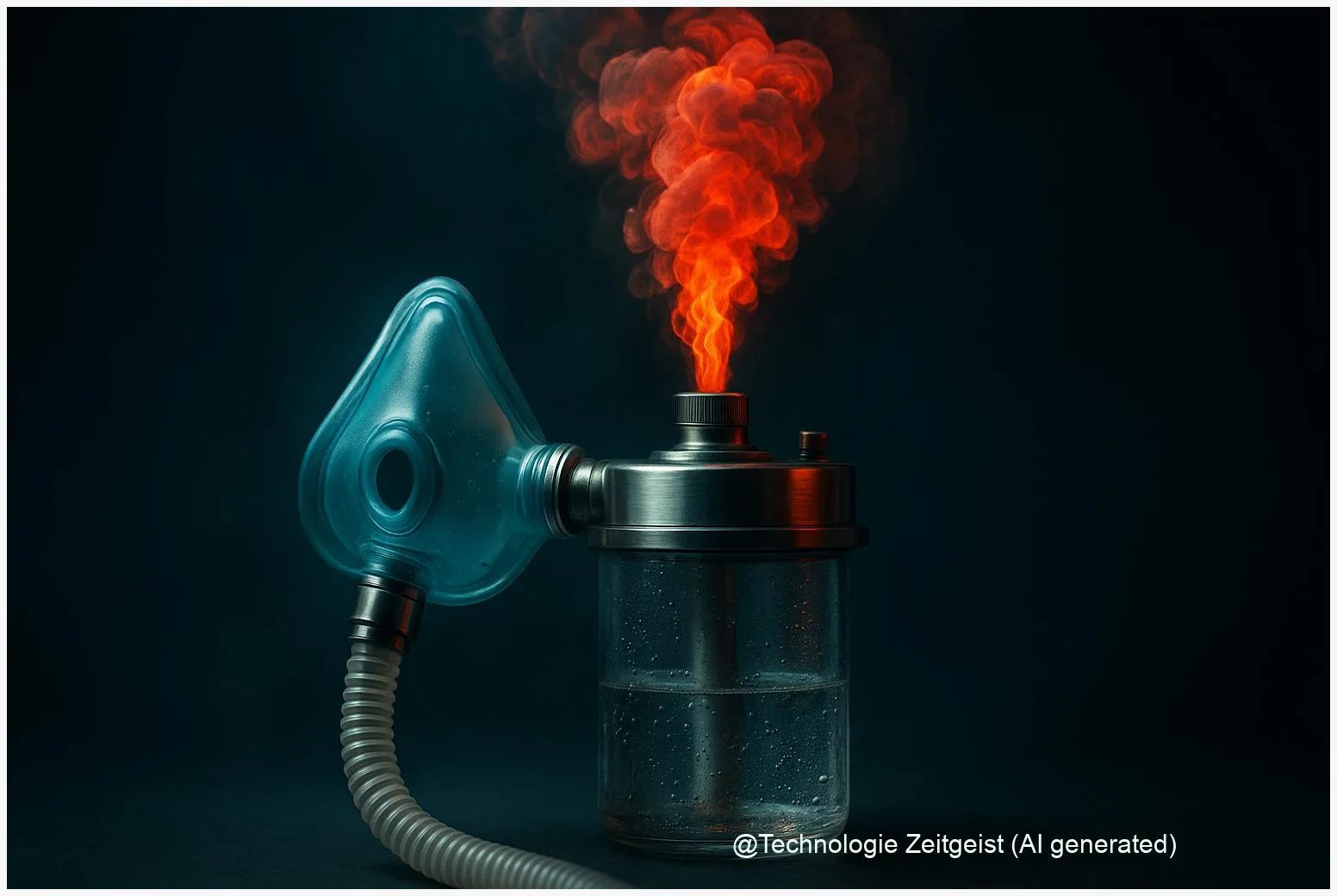
Operating rooms release powerful greenhouse gases through common inhaled anesthetics. This article looks at anesthesia gas contributions to hospital emissions and why shifting away from the most potent agents can cut a hospital’s carbon footprint substantially. Practical measures — from choosing different drugs to low‑flow techniques and better procurement — are described with clear numbers and policy examples.
Introduction
Surgery saves lives, but operating rooms also produce greenhouse‑gas emissions that rarely attract attention. A small volume of inhaled anesthetic can have a climate impact similar to driving a car for months. That gap between clinical scale and environmental effect explains growing interest among hospitals and procurement agencies in the specific gases used during anaesthesia.
Patients and clinicians typically notice recovery times or side effects, not atmospheric chemistry. Yet the choice of agent, how much fresh gas is set on the machine and whether total intravenous anaesthesia (TIVA) is available are practical points with measurable emissions consequences. The NHS and several health systems now report sizeable CO2‑equivalent savings after limiting the use of one particular agent; the details matter for any hospital planning a credible reduction strategy.
How anesthesia gas affects the climate
Greenhouse impact is measured with global warming potentials (GWP), commonly over 100 years (GWP100). GWP100 compares the integrated warming effect of one kilogram of a gas to one kilogram of CO2 over that period. Two properties drive a high GWP: strong ability to trap heat per molecule, and a long atmospheric lifetime. Some modern inhaled anesthetics are highly fluorinated; they trap heat efficiently and break down slowly in the atmosphere, so small clinical doses translate into large CO2‑equivalent numbers.
Clinically small volumes, climatologically large effects: a single hour of fresh‑gas desflurane can equal tens to hundreds of kilograms of CO2e depending on flow and dose.
Below is a compact comparison that hospitals use when estimating perioperative emissions. The scientific literature includes slightly different GWP values depending on the kinetics assumed; the table shows commonly used rounded ranges and a standardized reference for nitrous oxide.
| Gas | Typical clinical use | GWP100 (CO2‑eq/kg) | Atmospheric lifetime |
|---|---|---|---|
| Desflurane | Inhalational maintenance, rapid recovery | ≈1,600–2,500 (source variance) | ≈10–14 years |
| Sevoflurane | Common inhalational agent | ≈130–210 | ≈1–1.2 years |
| Isoflurane | Less used for rapid outpatient cases | ≈510 | ≈3 years |
| Nitrous oxide (N2O) | Analgesia and anaesthesia adjunct | ≈273 (IPCC AR6 reference) | ≈120 years (well‑mixed long‑lived) |
Notes: The desflurane and sevoflurane ranges reflect peer‑reviewed studies where assumptions about atmospheric chemistry differ (studies from 2010–2011 are older than two years but remain central to many inventories). For nitrous oxide the IPCC AR6/GHG Protocol value (≈273) is the contemporary standard used in national greenhouse‑gas inventories.
What hospitals change in practice
Hospitals can reduce anaesthetic emissions along several levers: choosing different agents, lowering fresh‑gas flow, switching to TIVA (intravenous agents instead of inhaled gases), or applying gas capture devices. Each measure has trade‑offs in training, equipment and cost.
One concrete example is the UK: multiple health services moved to restrict desflurane because of its disproportionate climate impact. NHS organisations reported a drop in desflurane use from over 20 % of volatile agent volume to roughly 3 % within a few years, and the NHS estimated annual CO2e savings in the tens of thousands of tonnes after wide adoption of alternatives and procurement changes. Those figures come from national reporting and policy guidance and show how procurement decisions scale across a system.
Low‑flow anaesthesia reduces waste simply by using less fresh gas per minute. If a clinician halves the fresh‑gas flow during maintenance, the mass of emitted volatile agent falls roughly in proportion — so the CO2e cost of the anaesthetic drops as well. TIVA replaces inhaled gas with intravenous hypnotics; it eliminates volatile‑gas emissions but has its own supply chain and waste considerations, for example propofol syringe use and energy for infusion pumps.
Gas‑capture systems aim to remove or destroy volatile agents from the scavenging line. Early pilots show partial reduction of emissions and additional infrastructure cost; capture is complementary to, not a substitute for, reducing use of high‑GWP agents where clinically acceptable.
Opportunities, risks and tensions
Replacing a high‑GWP agent may seem straightforward, but practical tensions arise. Clinicians choose agents for reasons of haemodynamic stability, speed of emergence, airway reactivity and particular surgical contexts. Some specialist cases still list narrow exceptions where a specific inhalational profile is preferred; policy documents typically keep these exceptions under review and limit them to well‑defined indications.
Financially, the upfront costs of additional infusion pumps, staff training and gas‑capture devices can be material. Hospitals weigh these costs against the reputational and regulatory benefits of lower emissions as well as long‑term savings from procurement and energy performance. For example, switching away from desflurane reduces volatile‑gas purchasing; the savings will vary by case mix and local prices.
Measurement methodology also creates tension. GWP100 is the standard for CO2‑equivalent accounting, but some researchers argue for shorter time horizons (GWP20) for potent, shorter‑lived gases to reflect near‑term warming. That technical debate affects headline savings numbers: using different GWP sets can change a hospital’s stated CO2e reduction. The practical advice for operational teams is clear: state which GWP table you used, and keep it consistent for internal and external reporting.
Finally, environmental gains must never compromise patient safety. Clinical societies and health services recommend carefully designed protocols, training and monitoring so that sustainable practice is also safe practice.
Where policy and technology are heading
Policy momentum is growing. Several national health systems have adjusted procurement and use policies to restrict the routine use of the highest‑impact inhalational agents and to prioritise lower‑impact alternatives. Procurement levers — removing a product from standard supply contracts, defining narrow clinical exceptions and coupling buying guidance with training — are effective at scale, as shown by recent national programmes.
On the technology side, manufacturers and startups are developing more efficient scavenging and capture systems; some experimental units chemically destroy captured agents, others recover them for safe disposal. These solutions reduce emissions at the point of care but add equipment and maintenance requirements. Long‑term, a mix of approaches is likely: smarter procurement, low‑flow practice, selective TIVA use and targeted capture where high‑GWP agents cannot be avoided.
For climate accounting, international inventories continue to update recommended GWP factors. Hospitals preparing sustainability reports should use the latest IPCC/GHG Protocol values and document which edition they used. Where local policy demands it, comparing results with multiple GWP horizons (for instance GWP20 and GWP100) can illuminate near‑term versus long‑term effects.
Patients and the public are becoming more aware of healthcare’s environmental footprint. That awareness is turning into calls for transparency in hospital sustainability reporting and for offering low‑emission anaesthesia options where clinically appropriate. Over time, clearer standards and broader training will reduce frictions between clinical need and environmental responsibility.
Conclusion
Anaesthesia gases include some of the most climate‑potent chemicals used in everyday medicine. The choice of agent, fresh‑gas flow and wider anaesthesia strategy strongly influence the operating room’s contribution to a hospital’s carbon footprint. Policy examples show that system‑level procurement and targeted clinical guidance can cut emissions quickly without harming patient care, provided clinical exceptions and training are handled responsibly. For credible reporting, hospitals should rely on up‑to‑date GWP references and document their assumptions so comparisons remain transparent. In short, better drug choice and smarter practice turn a relatively small clinical change into a measurable climate benefit.
Share your experience or questions about anaesthesia choices and sustainability — it helps hospitals improve practice.




Leave a Reply