
Insights
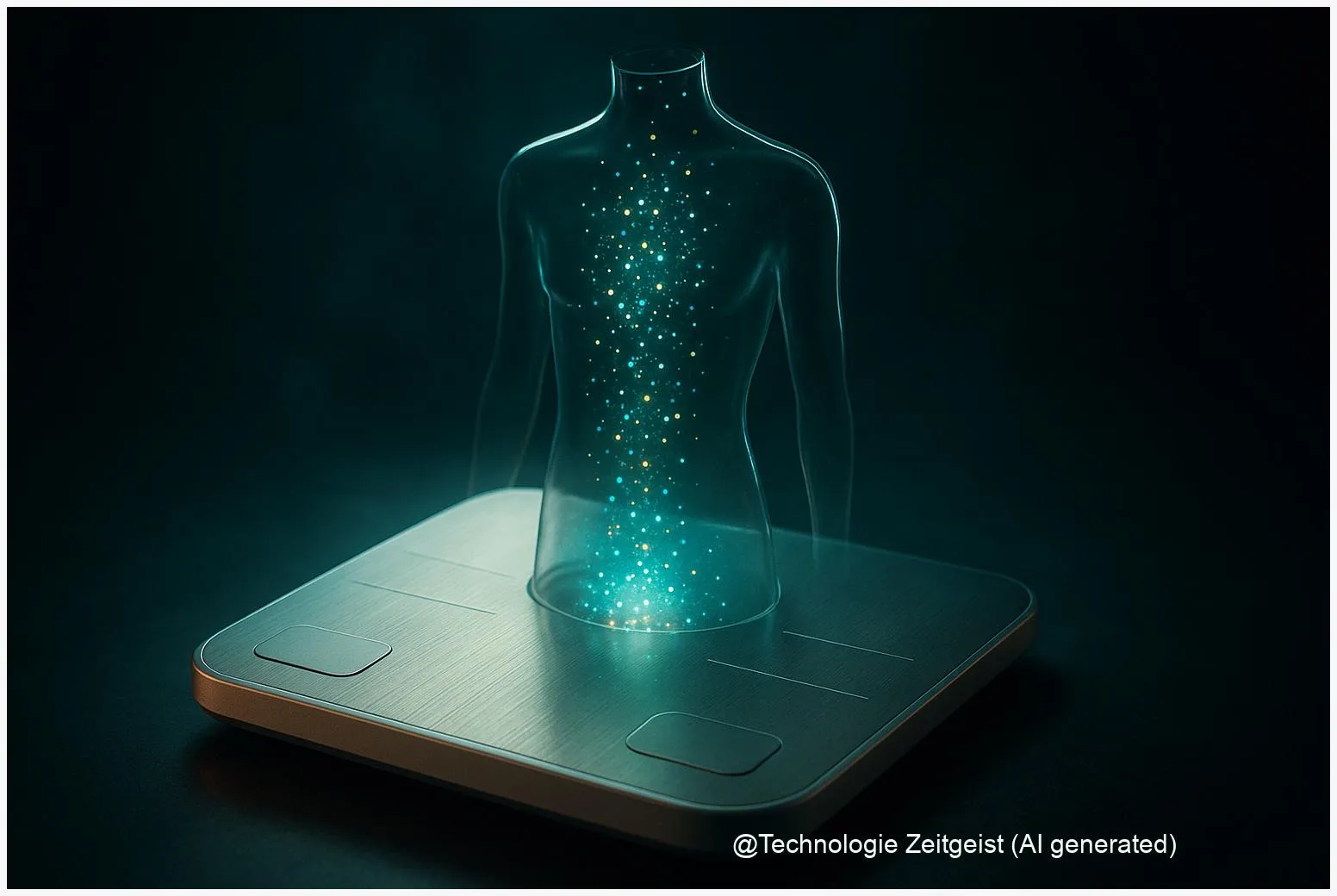
Withings Body Scan 2 promises over 60 biomarkers in a single ~90‑second home scan. The device is positioned as a “longevity station” and aims to flag risks such as hypertension and metabolic issues, but some medical features still await regulatory clearance and independent validation.
Key Facts
- Withings Body Scan 2 claims to measure more than 60 biomarkers in about 90 seconds at home.
- The maker lists a US price of $599.95 and targets Q2 2026 for availability.
- New sensors include impedance cardiography, a 6‑lead ECG, pulse wave velocity and bioimpedance spectroscopy.
Introduction
Withings Body Scan 2 was unveiled at CES and is billed as an expanded smart scale that reports biometric and cardiovascular indicators quickly at home. Its main appeal is frequent, passive health tracking for early signs — but practical value depends on independent tests and which features receive medical clearance.
What is new
Withings announced Body Scan 2 as a successor to its Body Scan line. The company says the device reads more than 60 biomarkers in roughly 90 seconds using a glass platform with multiple electrodes and a retractable handle. New measuring methods include impedance cardiography (ICG) to estimate heart pump function, a 6‑lead ECG for electrical activity, pulse wave velocity (PWV) to assess arterial stiffness, and ultra‑high‑frequency bioimpedance spectroscopy (BIS) for cellular and metabolic data. Withings also describes AI models aimed at flagging hypertension risk and early signs of glycemic dysregulation. The firm lists a US price of $599.95 and plans sales in Q2 2026, while noting some medical features are subject to regulatory clearance.
What it means
For users, the biggest change is more types of data during a normal weigh‑in. Measurements like PWV, ICG and ECG can provide hints about blood vessel health or heart function, but they are not the same as clinical tests. A common question is how a smart scale can assess blood pressure: it does not inflate a cuff. Instead, the device uses electrical signals and timing of pulse waves across the body, plus machine‑learning models trained on population data, to estimate risk patterns. That approach can detect trends but may miss exact numbers and will vary between people. The practical benefits are early warnings and long‑term trends, while risks include false reassurance or unnecessary concern if the algorithms are not independently validated or if users treat the results as diagnostic rather than indicative.
What comes next
Important next steps are regulatory decisions and independent studies. Withings says some functions will need clearance from authorities; the timing and scope of approvals will determine which features can be marketed as medical tools. Clinicians and labs will likely seek peer‑reviewed validation that compares the scale’s estimates to gold‑standard measurements such as cuff blood pressure, ambulatory monitoring, blood tests and clinical PWV. For consumers, expect staged rollouts, firmware updates and clearer labeling that separates wellness features from regulated medical ones. Observers should also check privacy documentation and third‑party audits before large‑scale adoption.
Conclusion
The Withings Body Scan 2 brings richer home measurements and a clear push toward preventive monitoring, but its value depends on regulatory outcomes and independent validation. Treat its outputs as early indicators rather than definitive diagnoses until peer‑reviewed evidence is available.
Please share your experiences and questions about smart scales in the comments, and pass this article to someone who tracks their health daily.

Leave a Reply