
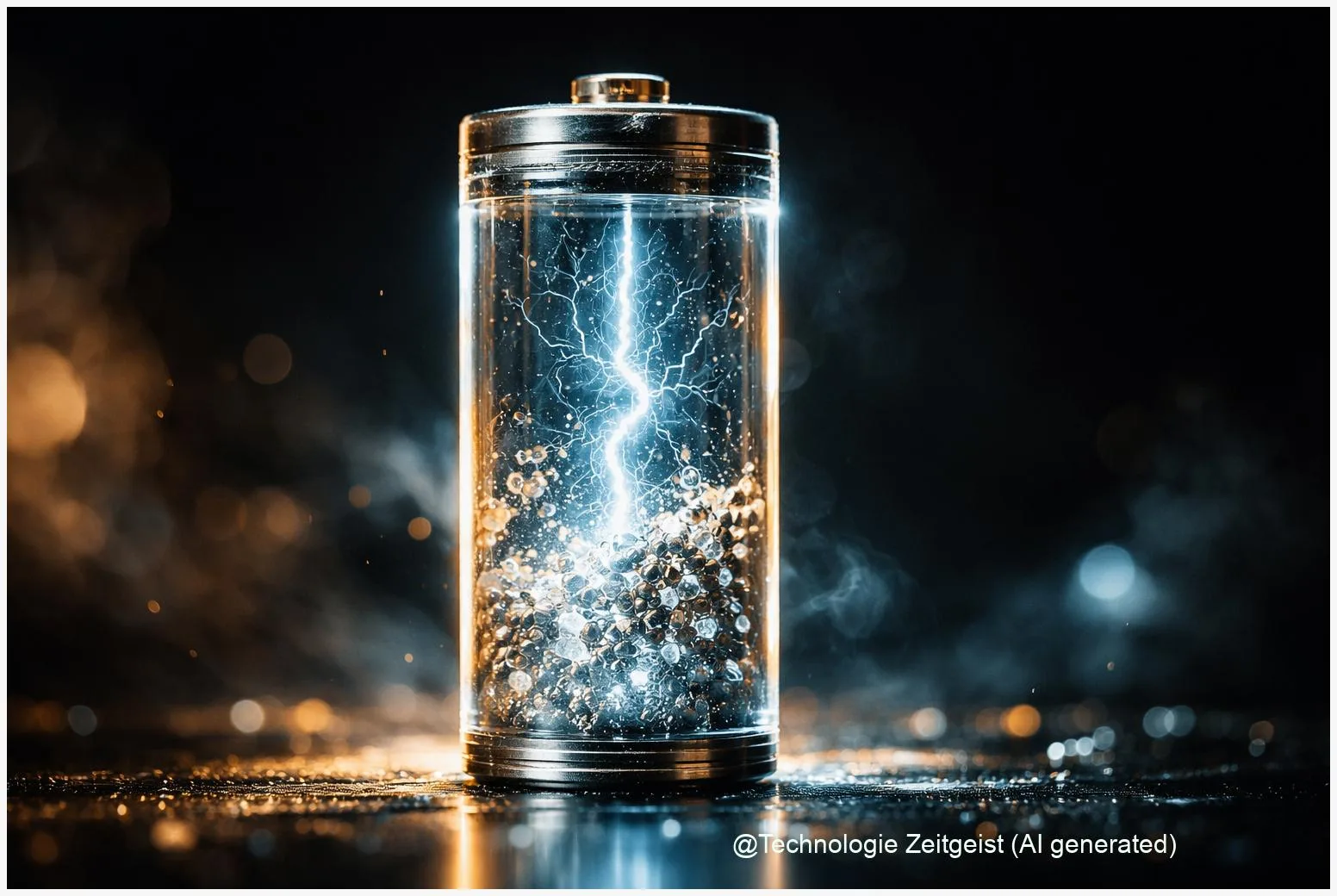
Sodium-ion batteries are emerging as a lower-cost alternative to lithium-ion because they rely on abundant materials and simpler supply chains. The technology currently offers lower energy density but promising cycle life and fast-charge ability for specific uses. This article shows where sodium-ion batteries fit in the battery landscape, which applications benefit most, and what supply-chain and technical limits keep them from replacing lithium-ion overnight.
Introduction
Electric devices, vehicles, and grids need more battery capacity at lower cost. That demand creates pressure on lithium, nickel and cobalt supplies and keeps manufacturers looking for alternatives. Sodium-ion batteries reuse the basic idea of rechargeable batteries—ions moving between two electrodes—but replace lithium with sodium, an element that is inexpensive and widely available. For users this change matters in practical ways: a sodium-based pack can cost less and avoid some critical minerals, but it usually stores less energy per kilogram. When you charge a phone or plan a home battery, those trade-offs determine whether sodium-ion is a useful option.
Sodium-ion batteries: how they work
At a basic level, a rechargeable battery has a positive electrode (cathode), a negative electrode (anode), an electrolyte that carries ions, and a separator. Sodium-ion batteries substitute sodium ions for lithium ions. A common cathode chemistry is sodium vanadium phosphate (Na3V2(PO4)3, often called NVP) or layered sodium oxides; common anodes are forms of hard carbon. These materials are chosen because they can insert and remove sodium ions repeatedly.
Two useful terms help compare batteries. Energy density is how much energy a cell stores per kilogram (Wh/kg). Power density is how quickly it can deliver that energy (measured by C‑rate). Another key metric is initial coulombic efficiency (ICE), the share of charge you can recover after the very first cycle; hard carbon anodes typically show a notable first-cycle loss and so need manufacturing or design fixes such as pre-sodiation, which restores lost sodium but adds cost or process steps.
Manufacturers often report cell-level numbers; independent full-cell and pack tests typically give lower practical results.
Below is a compact comparison between typical lithium-ion and sodium-ion performance ranges observed in vendor datasheets and independent tests.
| Feature | Li‑ion typical | Na‑ion typical |
|---|---|---|
| Cell energy density (Wh/kg) | ~160–250 | ~90–155 (vendor vs independent figures) |
| Cycle life (cycles to 80% retained) | ~1,000–4,000 depending on chemistry | ~1,000–4,000 claimed; independent long‑term data limited |
| Key cost/material drivers | Heavy reliance on lithium, nickel, cobalt | Sodium, iron, vanadium, carbon — less dependence on nickel/cobalt |
Everyday uses and real-world trade-offs
Sodium-ion batteries are already appearing in products where weight is not the main constraint. Stationary storage—home backup, commercial peak-shaving, and some utility-scale applications—benefits because a lower cost per kilowatt-hour can outweigh a lower gravimetric energy density. For an electric scooter, an e‑bike or an unpressurized service vehicle, manufacturers can accept a slightly heavier battery if it reduces material costs.
In transport, sodium-ion is best suited to short-range vehicles or as a secondary battery for functions such as auxiliary power or fast-charge buffer packs. Some manufacturers present prismatic sodium-ion cells with cell-level energy densities comparable to niche lithium chemistries; independent laboratory stacks and pack models, however, usually show lower practical specific energy once packaging, cooling and battery management are included. That gap matters: range in vehicles and runtime in portable devices shrink directly with lower energy density.
Charging behaviour is instructive. Sodium-ion cells can accept high currents and therefore support fast charging for the usable portion of their capacity, which is valuable for public charging or industrial duty cycles. Yet performance in cold temperatures tends to drop more than for mature lithium chemistries, which can limit use in regions with long cold seasons unless thermal management is added.
Cost and availability at the supply-chain level also shape real-world adoption. Sodium and common transition metals are widely available and less exposed to the supply concentration seen for lithium or cobalt. For procurement teams and policymakers, that means fewer geopolitical supply risks and a potentially simpler recycling stream, though industrial-scale recycling processes for sodium chemistries are still developing.
Opportunities, risks and supply-chain tensions
The main opportunity is cost: replacing scarce active materials with cheaper ones can lower battery pack prices and reduce exposure to volatile mineral markets. Techno‑economic models indicate sodium‑ion can reach cost competitiveness at the pack level if energy density improves modestly and production scales up. For grid operators and energy service companies, that opens options to deploy more storage for the same investment.
Risks are practical and technical. First, real-world energy density remains lower than top lithium options; vendors sometimes quote optimistic cell-level figures that do not fully include packaging and balance-of-system mass. Second, hard carbon anodes show initial irreversible losses that must be offset—pre-sodiation is one solution but it adds processing steps that affect manufacturing cost and yield. Third, independent, long-duration cycle tests are still fewer than for established lithium chemistries, so long-term degradation pathways are not yet as well understood at scale.
Supply-chain tensions can cut both ways. Sodium salts are abundant and inexpensive, which reduces a single-source risk, but manufacturing scale-up requires new supply lines for specific cathode precursors, electrolytes tuned to sodium, and formation rigs adapted to slightly different voltages and protocols. Building that ecosystem takes investment and time, and until scale is reached price advantages can be smaller than hoped.
Safety and standards are another consideration. Early tests show that some sodium chemistries can be robust under abuse conditions, but wide adoption depends on standardized testing, certification and field data. Battery management systems (BMS) also need tuning for sodium-specific voltage windows and state-of-charge estimation to avoid overuse or degradation.
Where sodium-ion could go next
Several realistic scenarios could play out over the next five to ten years. If manufacturers improve electrode formulations and address first-cycle losses, sodium-ion cell energy density could move closer to mid-range lithium options. Techno‑economic studies suggest that, under plausible learning curves and steady demand, sodium-ion pack prices could approach competitiveness in the early 2030s. This would be especially true where raw-material constraints keep lithium prices high.
Another pathway is niche dominance: sodium-ion becomes the default choice for stationary storage, micro-mobility, backup systems and industrial buffer applications. These segments tolerate weight and favor cost and long cycle life. Rapid adoption in these niches would build manufacturing experience and aid supply-chain maturity, making later expansion into heavier transport more credible.
For policymakers and procurement managers the signals to watch are simple: independent third-party pack-level benchmarks, clear $/kWh comparisons including balance-of-system costs, and warranties that reflect realistic cycle life. For engineers and integrators, the priorities are robust pre‑sodiation methods, optimized formation procedures, and BMS improvements that track degradation specifically for sodium chemistries.
Consumers deciding now should prioritise honest pack-level numbers and warranty terms. For buyers of stationary storage, a sodium‑ion pack with a clear cost advantage and adequate cycle life is an attractive choice. For those who need maximum range or minimal weight, lithium options still lead.
Conclusion
Sodium‑ion batteries are an important, credible alternative that reduces dependence on a narrow set of critical minerals and offers cost advantages for specific applications. They are not a simple drop‑in replacement for every use case because energy density, initial losses and long‑term field data lag the most advanced lithium chemistries. The most likely near‑term winners are stationary storage and short‑range transport or auxiliary systems where lower cost and good cycle life matter more than weight. Over the coming years, independent testing, manufacturing scale-up and clearer pack‑level economics will decide how large a role sodium‑ion takes in the broader energy transition.
Join the conversation: share your experience with battery choices or questions and pass this article to someone designing a storage project.

Leave a Reply