
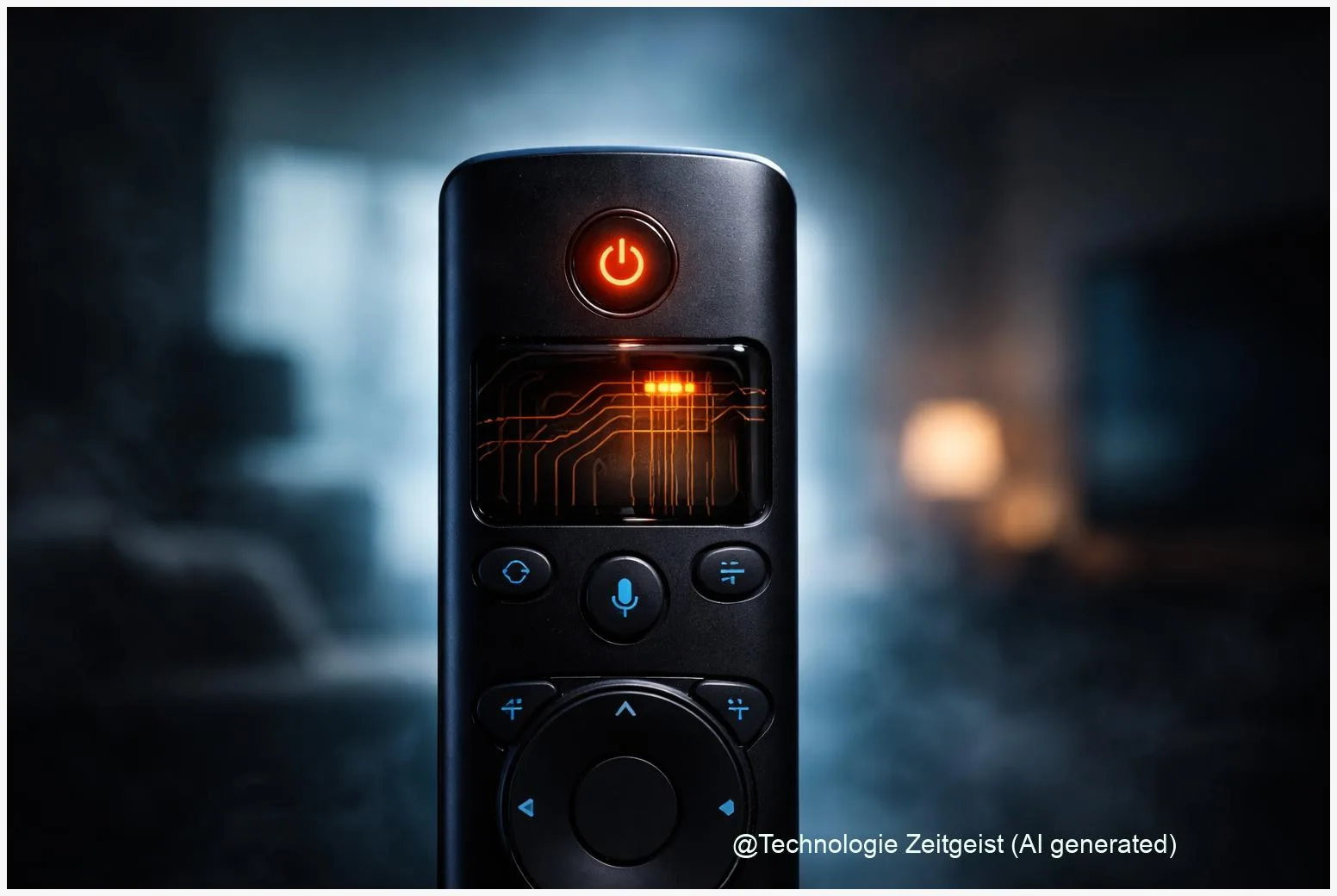
Most people press the Smart TV power button expecting the set to go dark and stop drawing electricity. In practice the button usually moves the television into a low‑power standby state: the screen and speakers turn off, but small circuits remain active so the remote, network features, timers and software updates can still work. This article explains why a Smart TV power button often does not cut all power and shows practical checks to reduce standby energy and regain full off when you need it.
Introduction
At home, the difference between “off” and “standby” causes two daily puzzles: a TV that still reacts to the remote after you pressed the power button, and a small but steady energy draw you notice on your bills or a smart plug. The main reason is a mix of hardware design and user features. Manufacturers keep a few circuits alive so the set can turn on instantly, accept commands from mobile apps or remotes, wake for scheduled recordings, and download critical firmware updates.
Those background functions are convenient, but they mean the TV is not disconnected from the mains when it appears off. The rest of this article explains what stays powered, how much energy that typically uses, quick checks you can run with a meter or a menu, and how to force a true power cut when you want it—without guessing or risking data loss.
How the Smart TV power button maps to hardware states
Pressing the power button on a smart television usually toggles between two user states: ON (screen and main electronics active) and OFF (a reduced‑power standby state). Technically, the set has multiple internal power domains. The large power rails that drive the display and audio are switched off in standby, but small supply rails keep essential subsystems alive. Those subsystems include a remote‑receiver, a real‑time clock (RTC) for scheduled wake, a network controller for remote wake or updates, and control logic for HDMI‑CEC.
A few brief explanations of terms that appear below:
Standby — a reduced‑power mode in which the TV looks off but can still receive a signal to turn on. HDMI‑CEC — a channel that lets a connected device (DVD player, set‑top box) turn the TV on; manufacturers call it different names (SimpLink, BRAVIA Sync, etc.). Wake‑on‑LAN (WOL) or network standby — when the network interface listens for wake commands. These are kept alive by a tiny portion of the TV’s power supply.
Manufacturers usually document that pressing the remote returns the TV to “standby”; true mains disconnect typically requires unplugging or switching a wall outlet.
The actual standby power varies by model and enabled features. The table below shows typical ranges you will see in home measurements and what to try first.
| Scenario | Typical steady standby power | When you might see it |
|---|---|---|
| Low‑power standby (network off) | around 0.5–2 W | Network features, HDMI‑CEC and USB disabled; only remote sensor and RTC live |
| Network/feature standby | 2–10 W | Smart features enabled (Wi‑Fi/Ethernet listening, app background tasks) |
| Faulty or active background use | 10–30+ W | Firmware bug, defective power module, or external USB devices drawing power |
Why the ranges differ: some TVs include an always‑listening network chip that consumes a few watts, others put the network controller into a very low power state unless a wake‑event occurs. firmware choices, regional feature sets, and even connected USB devices affect the final measurement.
Everyday checks: what you can do at home
Before assuming a defect, run a few simple checks. A low‑cost plug‑in power meter is the fastest way to know what “off” actually consumes. If you don’t have one, a metered smart plug (turned off in the app) shows the difference between standby and full disconnect.
Practical step‑by‑step checks:
- Measure standby: plug a power meter between the TV and mains, press the power button on the remote, wait five minutes and read steady‑state watts.
- Test remote/network influence: try disabling Wi‑Fi/Ethernet, turn off HDMI‑CEC in the TV settings, and remove any attached USB drives. Re‑measure after each change.
- Use a private power cut as a control: physically unplug the TV (or switch a wall outlet that you control). If the meter drops to zero, the standby draw was internal and expected; if it stays above zero even when unplugged, do not proceed—this indicates an upstream supply problem.
- Check menus: modern TVs include toggles for “Network Standby”, “Quick Start”, “Always‑on USB”, or presence sensors. Turning those off usually reduces standby significantly.
How much can standby cost you? Rough annual examples show the scale: 0.5 W continuous is about 4.4 kWh/year (a few euros), 5 W is about 43.8 kWh/year, and 25 W is about 219 kWh/year. The larger numbers matter when many devices sit in standby in a household.
If you need absolute zero consumption, wall‑outlet control is the only reliable method. A switched outlet strip or a consumer‑grade smart plug that physically cuts mains will stop all standby circuits. That also means the TV cannot receive updates or wake for scheduled recordings, and some smart remotes lose pairing until power is restored.
One more practical tip: if you see unusually high standby (well over 10 W) after disabling features, a firmware update or a hardware fault on the power supply board may be responsible. In that case, check the manufacturer’s support pages for firmware notes; if the device is under warranty, contact support. For reference, manufacturer manuals often state that the remote returns the set to standby, not to a full mains off.
For related device maintenance and routine checks on home devices, see our clear guide about how to clear cache and cookies and the TechZeitGeist hub for device guides at TechZeitGeist.
Convenience, energy and security: the trade‑offs
Keeping small circuits alive while a TV looks off is a deliberate design choice that trades energy for convenience. Instant‑on behavior, the ability to use a smartphone as a remote, and automatic firmware updates are useful—but they come with three tensions to weigh.
First, user convenience versus energy. If you value instant wake and remote control from another room, some standby draw is unavoidable. For households where energy is a priority, scheduled full power‑off using a switched outlet is a straightforward compromise.
Second, maintenance and safety. Automatic firmware updates can fix security flaws and improve streaming compatibility; disabling network features reduces standby but can delay important fixes. There is a balance: allow updates on a controlled schedule, or occasionally plug in the TV to accept updates and then switch it off.
Third, privacy and attack surface. Any always‑listening network interface increases the device’s exposure to remote attacks compared with a fully unplugged TV. That does not mean manufacturers are negligent: many updates enhance security. Still, users who worry about remote access should disable network standby, turn off microphone/camera features where present, and use router‑level controls to limit device access.
Overall, the “off” shown by the power button is a compromise: manufacturers design for the majority of customers who want convenience and fast wake. If your priorities differ, the controls and the outlet remain the tools to shape behavior to your preferences.
Where things are headed and simple choices
Regulators and industry groups are paying more attention to standby energy because small draws add up across millions of devices. Expect clearer energy labels and profile options that make standby modes more visible in product documentation. Likewise, firmware and hardware teams are working to provide lower‑power network controllers that do the minimal listening required for remote wake events.
For households and readers, three practical considerations matter now:
- Decide your default: If convenience is your priority, leave network features enabled and accept small standby. If minimising consumption is your priority, use a switched outlet and power the TV only when needed.
- Use menu controls first: disabling network standby, HDMI‑CEC, “Quick Start” or USB‑power reduces energy without hardware changes and preserves update ability when you plug the TV in deliberately.
- Measure and iterate: a cheap power meter tells the truth quickly. If you find more than a few watts of standby after disabling options, check for connected devices, firmware updates, or plan a service check—excessive standby can indicate hardware faults.
Finally, when you buy your next TV, compare documentation for standby modes and energy labels. Some manufacturers now publish explicit standby ratings or offer an “eco” mode that reduces background activity. Transparency in manuals and menus makes it easier to adopt the behaviour you want at home.
Conclusion
The Smart TV power button most often sends the set into standby so that remotes, scheduled tasks and updates continue to work. That behaviour is convenient but not a full mains disconnect. A few clear steps let you control the outcome: measure standby with a power meter; disable network, HDMI‑CEC and USB power where appropriate; and use a switched outlet if you want guaranteed zero consumption. If standby remains unusually high after those steps, firmware or hardware faults may be the cause and warrant support. Making a conscious choice between convenience and energy helps households keep comfort while avoiding surprises on the electricity bill.
Share your experience: did switching off network standby reduce consumption in your living room? Tell us which model and what you measured.

Leave a Reply