
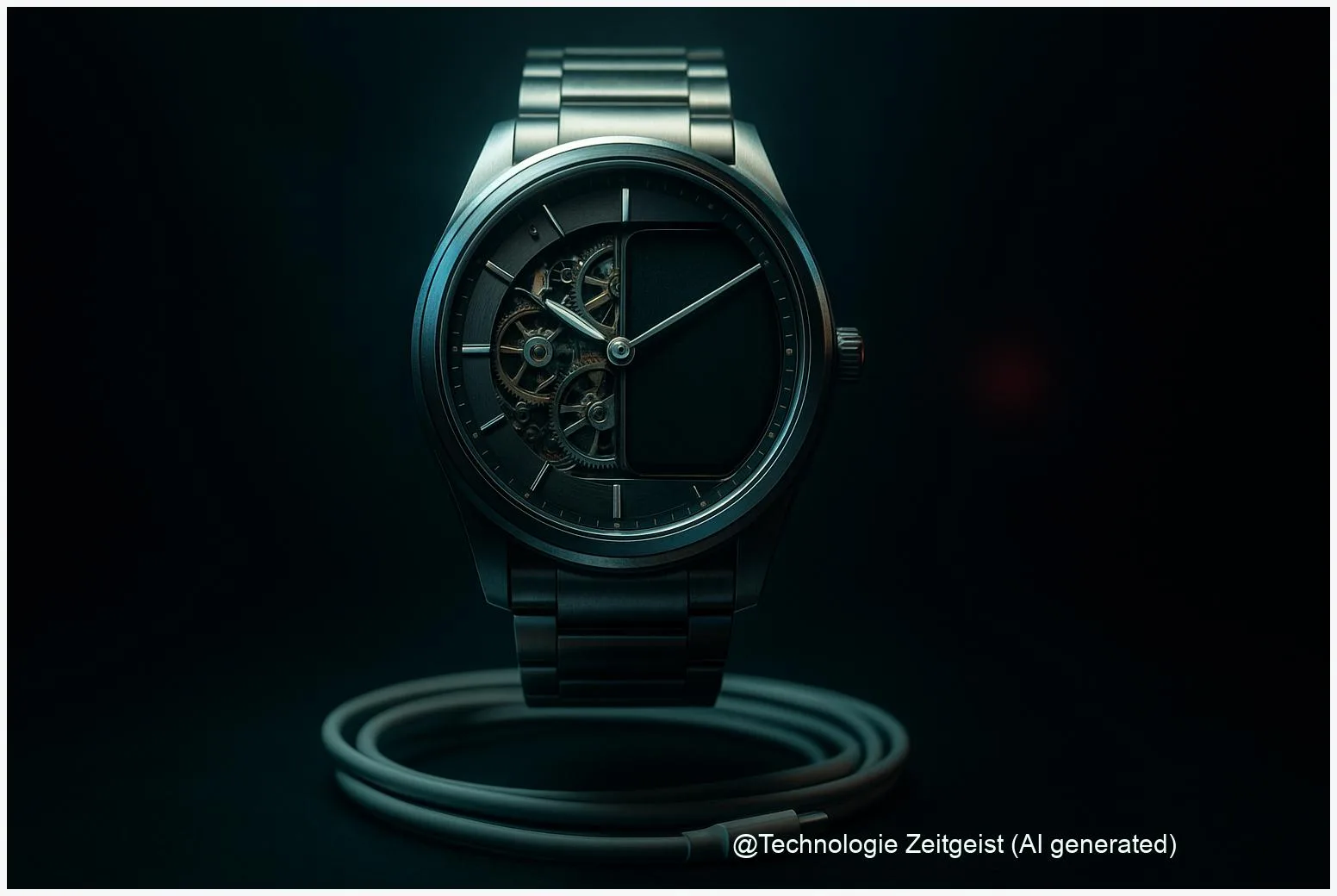
Tired of devices that need daily charging and constant pings? Many people are returning to simpler wrist tech for longer battery life, less distraction and clearer health signals. The Pebble smartwatch pioneered that approach and its story helps explain the current interest in minimalist wearables: durable hardware, e-paper or hybrid displays, and focused health features rather than endless apps. This article looks at how that cycle began, why it matters today and what to expect next.
Introduction
At first glance, smartwatches promised to replace phones, track workouts and surface reminders. For many users that promise translated into more screens, shorter battery life and frequent interruptions. A different path emerged from a small community and a crowdfunding success: Pebble, launched via Kickstarter in 2012, emphasised long battery life, a readable display and an open app approach. That combination appealed to people who wanted utility without the noise.
Fast forward: by late 2016 Pebble stopped producing hardware and sold key software assets to Fitbit, which marked the end of the company as an independent manufacturer though not the end of the ideas it popularised. Meanwhile, community projects like Rebble stepped in to keep services alive for existing devices. Today a handful of mainstream manufacturers and niche brands are adopting elements of that approach — hybrid displays, focused health sensors and multi‑day battery life — and this shift helps explain why simple designs are gaining attention again.
Why Pebble mattered
Pebble began as one of the first consumer smartwatches that a wide audience could buy and understand. Backed on Kickstarter in 2012 with substantial support, the first Pebble models used e‑paper or transflective displays (readable in daylight), offered week‑long battery life and focused on notifications and basic apps rather than a crowded app ecosystem. These design choices made the watch useful and unobtrusive.
Pebble showed that prioritising battery life and legibility can make a wearable feel like a practical device rather than a tiny smartphone.
The commercial story went two ways. The company’s Kickstarter success proved there was consumer interest, but larger competitors later moved aggressively into the space. In December 2016 Pebble announced it could no longer operate independently and sold software assets to Fitbit; hardware production and many planned products were cancelled. The result left existing device owners dependent on community support and on later efforts such as Rebble, which recreated key backend services.
If a quick comparison helps, the table below summarises the design trade‑offs that made Pebble distinct and that now reappear in many minimalist wearables.
| Feature | Description | Typical value |
|---|---|---|
| Display | E‑paper or transflective — good in daylight, low power | Monochrome / low refresh |
| Battery | Long life by limiting background activity | 5–10 days (or more) |
| Platform | Open APIs, community apps | Developer‑friendly |
Minimalist wearables: what changed
The term “minimalist wearables” describes devices that concentrate on a few clear functions — readable time, notifications, and selective health measurements — rather than a full app platform. That term appears increasingly in product announcements and reviews because manufacturers have learned that many users prefer focussed value over multifunction feature sets.
Three shifts explain the renewed interest. First, consumer expectations around health data have matured. Buyers now ask whether a sensor’s data is reliable and clinically meaningful rather than simply wanting more metrics. Second, a market correction has reduced growth in mass‑market full‑feature smartwatches; independent research found smartwatch shipments declined in 2024, signalling longer upgrade cycles and greater selectivity among buyers. Third, companies have developed hybrid designs that combine classic watch aesthetics with carefully chosen digital features such as ECG or SpO2 sensors. These hybrid products deliver the feeling of a traditional watch while adding specific health monitoring.
Some technical terms help here. A hybrid smartwatch pairs mechanical hands or an analogue look with a small digital module for notifications or measurements. ECG stands for electrocardiogram and is a short, clinical‑style measurement of the heart’s electrical activity; manufacturers typically stress that ECG on a watch is for screening and does not replace medical diagnosis. Transflective displays reflect ambient light to remain legible in daylight without consuming much power, which is why they are popular in minimalist devices.
Manufacturers such as Withings have released hybrid models with multi‑day battery life and health sensors, while independent reviews and market data show that these models often sit in a premium niche. For users who value steady data collection and minimal distractions, that trade‑off can be attractive: better overnight monitoring, fewer false alarms and a device that feels more like an instrument than a pocket computer.
Everyday life: how simple watches behave
In daily use, the differences between a high‑feature smartwatch and a minimalist wearable are practical. Minimalist devices typically run fewer background services, which reduces power draw and means users charge less often. That lower maintenance changes behaviour: a watch that lasts a week is more likely to be worn overnight for sleep tracking, which improves the continuity and usefulness of health signals.
Notifications are another area of noticeable change. Many full‑feature watches mirror a phone almost completely, creating constant interruptions. Simpler watches often offer a filtered notifications approach: allow calls and priority alerts, but mute social media noise. For people trying to reduce cognitive load, that difference alone can make a watch feel less intrusive.
On the health side, focused sensors tend to produce clearer outcomes when they are used consistently. For example, a device that records heart rate and temperature overnight can better detect trends if it is worn regularly — and regular use is more likely when charging is infrequent. Clinical features such as single‑lead ECG or validated SpO2 measurements are appearing in minimalist and hybrid devices; manufacturers usually explain limits clearly, noting that these are screening tools and advising medical consultation for abnormal results.
Community support also matters. When Pebble left the market, community projects such as Rebble recreated backend services so existing devices kept functioning. That episode shows another advantage of simpler systems: they are easier for communities to maintain and rehost because they depend less on proprietary cloud ecosystems. For owners of older hardware, active community projects can extend useful life by years.
Tensions and future scenarios
The return of simple wearables brings benefits and tensions. One tension is between privacy and convenience. Simpler devices often store less data in the cloud and perform more processing locally, which reduces exposure to data‑linkage risks. At the same time, fewer cloud features can limit cross‑device experiences such as voice assistants or complex automations.
Another tension lies in market economics. The full‑feature smartwatch market benefits from platform lock‑in: an operating system with many developers can create recurring revenues and strong margins. Minimalist wearables, by contrast, compete on hardware quality, sensor accuracy, design and the occasional subscription for advanced services. That structure favours established niche brands and premium offerings rather than mass commodity players.
There are also regulatory and clinical questions. When makers add ECG or other medical‑grade sensors they attract regulatory attention; approvals and clinical validation increase trust but also time‑to‑market and cost. This partly explains why hybrid and minimalist devices often appear more slowly and at higher price points than basic fitness bands.
Looking ahead, three plausible scenarios could unfold. One: mainstream platforms adopt select “less intrusive” modes and longer battery profiles as configuration options. Two: niche brands consolidate a premium segment focused on validated health features and traditional design. Three: community and open projects continue to support older devices, making legacy hardware viable for a longer period. For users, the practical implication is clearer: you can now choose a watch that fits how often you want to charge and how much data you want to share.
Conclusion
Simple wearables return because they solve concrete frustrations: short battery life, notification overload and opaque health signals. Pebble’s early emphasis on readability, battery and developer openness set design patterns that reappear in contemporary hybrid and minimalist devices. Market forces — slower shipment growth, more selective buyers and rising demand for credible health data — make room for these focused designs. Whether you prioritise battery life, clear health metrics or a calmer relationship with your phone, the current trend offers sensible choices rather than a single right answer.
Share your experience with simple wearables and join the discussion on what makes a watch genuinely useful.

Leave a Reply