
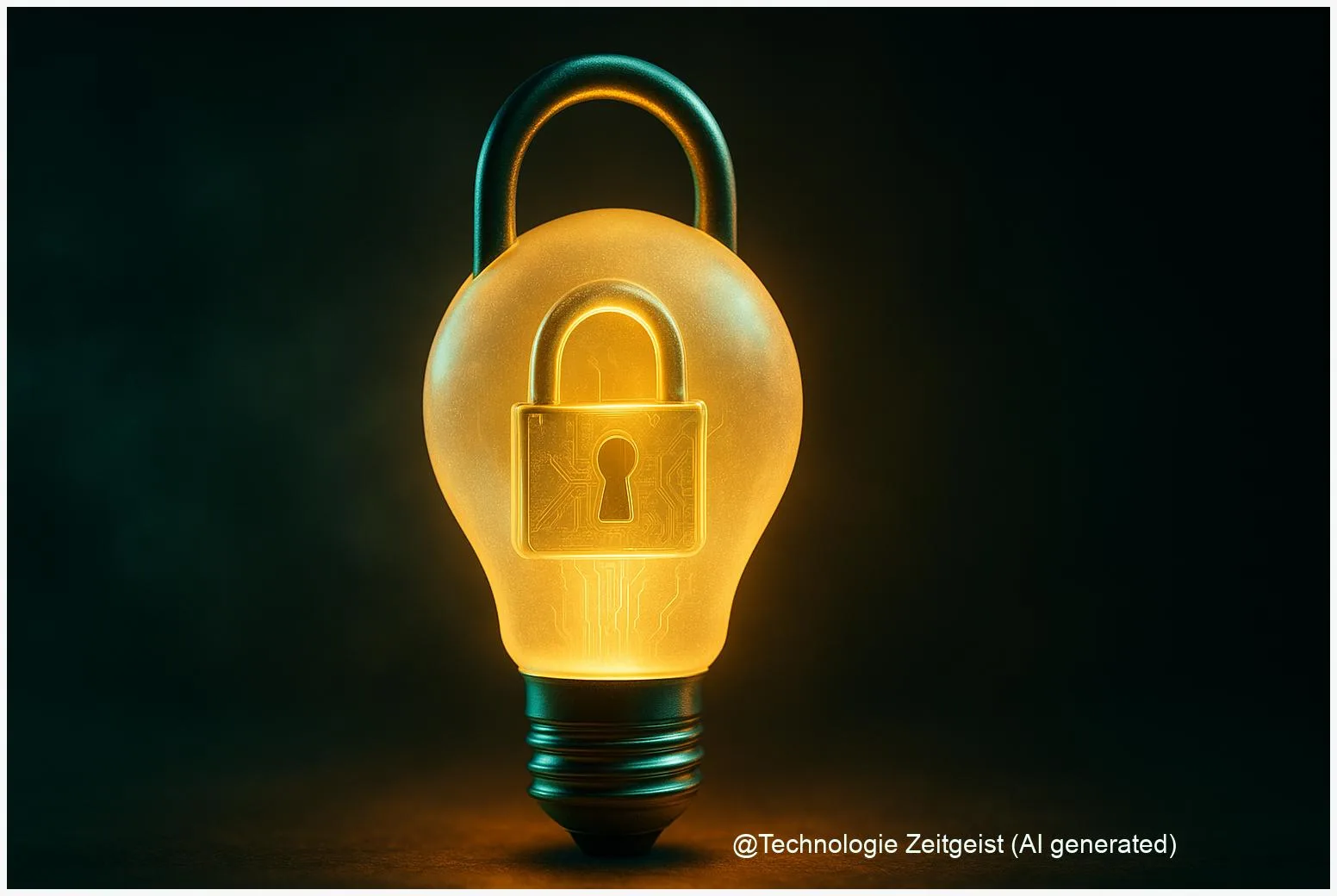
IKEA’s low-cost Matter smart bulbs have put the phrase “Matter smart bulb” into headlines because they make a modern, secure smart‑home standard suddenly affordable. Around 21 new Matter devices from IKEA include a range of bulbs priced for mass adoption; one demo mention of a $6 bulb captured attention but may reflect a particular model or promotion. For households and renters, Matter smart bulbs promise simpler setup, wider compatibility and lower entry cost — if the underlying Thread and certification pieces fall into place.
Introduction
Many homes have at least one smart light today, but mixed standards and confusing setups often make adding another device more trouble than it’s worth. IKEA’s 2025 smart‑home refresh changed that conversation by offering a large set of Matter‑compatible lights at very low price points in some markets. That raised a practical question: if a smart bulb costs about the same as a conventional LED, do smart homes finally become something everyone can manage and afford?
The change matters because Matter is a standard that focuses on compatibility and secure onboarding across brands. For people who want lights that simply appear in their phone, work with voice assistants they already use, and keep running even when the cloud is slow, the combination of low prices plus Matter over Thread may be decisive. This article walks through what a Matter smart bulb is, how it behaves in everyday rooms, what to check before buying, and what the near future likely holds for cheap, interoperable smart lighting.
What a Matter smart bulb is
A Matter smart bulb is a lamp that implements the Matter application standard, which uses Internet Protocol (IP) to speak the same language as other certified devices. In practice that means the bulb can be controlled by different apps and platforms that support Matter without brand‑specific bridges. Matter itself is an application layer; it relies on transports such as Thread (a low‑power mesh network) or Wi‑Fi for actual communication.
Thread is a wireless mesh protocol designed for battery‑efficient home devices. It creates a local network where bulbs and sensors forward messages for one another, improving range and reliability. Matter over Thread joins that robust local network with a shared, device‑level vocabulary so a motion sensor from one maker can turn on a bulb from another without extra setup.
Matter aims to reduce the friction of mixed vendor smart homes by standardising how devices are discovered, commissioned and controlled.
Technically, Matter uses IPv6/UDP as its transport at the application level. Commissioning, the secure first‑time setup, typically uses Bluetooth Low Energy (BLE) or Thread’s commissioning flows. After commission, a device can operate locally via Thread or Wi‑Fi and—if the user allows—connect to cloud services for remote control.
If numbers help: IKEA announced 21 Matter devices in its 2025 refresh and a subset of 11 bulb variants in the KAJPLATS line, with brightness up to 1 521 lumen for the strongest models. Media coverage mentioned a $6 example at a trade show; that figure likely references an entry model or a demo price rather than a global list price, so treat it as illustrative rather than definitive.
If a table clarifies differences between transport types, this quick comparison helps:
| Feature | Description | Value |
|---|---|---|
| Thread | Low‑power IP mesh network for local devices | Reliable, battery‑friendly |
| Wi‑Fi | Direct connection to home router; higher power | Good for high‑bandwidth devices |
How these bulbs work in a real home
Putting a Matter smart bulb into a lamp follows a familiar sequence: power it, start the household’s Matter commissioning flow from a phone or an existing Matter controller, approve a security code, and the bulb joins the network. The difference is that, once certified and commissioned, the bulb appears in any Matter‑aware app or assistant that shares the same Matter setup.
Two concrete scenarios show what changes for users. First, a renter with an existing smart speaker that supports Thread can add IKEA bulbs without buying a vendor bridge. The bulbs join the Thread mesh that the smart speaker helps manage, so the renter controls lights from the speaker’s app or the phone app interchangeably. Second, a household that already has a smart home hub can add dozens of inexpensive bulbs and distribute coverage: Thread’s mesh lets distant bulbs relay messages so a single border router reaches more rooms.
Despite the simplicity, some practical limits remain. Thread needs a Thread border router (a device that connects the Thread mesh to the home IP network) to reach cloud services and some integrations; many modern smart speakers and routers include this capability, but not all older devices do. Wi‑Fi bulbs bypass Thread but consume more power and may require separate Wi‑Fi provisioning steps.
People should also check a few details before purchase: the bulb fit (E27/E26, GU10, E14), the maximum lumen rating for room size, and whether the specific model supports colour or only tunable white. Finally, verify Matter certification or vendor statements—some early models ship with firmware updates that add full Matter support, so certification status can change after release.
Opportunities and risks to watch
Low prices for Matter smart bulbs open opportunities. More affordable devices lower the barrier to widespread local automation: whole‑house lighting, better schedules that save energy, and richer sensor‑to‑light interactions. For ecosystem builders, a large installed base of inexpensive Matter bulbs makes it easier to deliver features that work across brands, such as uniform scenes and multi‑room control.
There are also real risks and tensions. Price pressure can lead manufacturers to cut corners on hardware or long‑term software support. Cheap devices with limited flash memory or weak OTA (over‑the‑air) update plans may not receive important security or compatibility updates. Certification reduces this risk because it enforces interoperability tests, but the certification process itself costs money and takes time—so fast, low‑margin products might ship with promised updates rather than finished certificates.
Another concern is network design. Thread meshes rely on border routers and healthy topology; a home with a single border router and many devices may face partitioning or latency if the router is overloaded. Redundancy helps: multiple Thread‑capable devices (speakers, routers, dedicated border routers) distributed in the home improve reliability. For renters or small apartments, however, a single Matter‑capable speaker may be sufficient.
Privacy and cloud dependence are a third axis. Matter is built to allow local control, which keeps data in the home if users choose local operation, but many convenience features still require cloud accounts. Buyers should check the vendor’s privacy statements and whether local control is available for their preferred platform.
Where this could lead
If low‑cost Matter smart bulbs become widely available and are paired with growing Thread support in common routers and speakers, the next few years could see smart lighting become a default feature of new apartments and rental properties. That would mean programmable lighting and presence‑based behaviours become ordinary rather than niche—schedules that reduce wasted lighting, better night‑time safety lighting, and more responsive scene setting across rooms.
For device makers and integrators, the path forward includes clearer certification planning and stronger firmware support. Retailers and installers may need to adjust inventory and advice to consumers—focusing more on compatibility and the presence of a Thread border router than on brand‑exclusive ecosystems. For cities and housing providers, standardised, low‑cost smart lighting could enable simple energy‑efficiency programmes without complex bespoke integrations.
There are also technical directions to follow. Thread 1.4 and Matter 1.4 introduced features that make large installations and multi‑admin homes easier to manage; over time, expect firmware updates to improve device sharing, diagnostics and large‑home commissioning. For consumers, the practical implication is that an inexpensive bulb bought today may gain additional capabilities via updates, but only if the manufacturer commits to those updates.
Conclusion
Cheap Matter smart bulbs, as exemplified by IKEA’s 2025 lineup, change the economics of smart lighting: they make it feasible to outfit whole homes without brand‑locked bridges. That improves the likelihood that smart lighting moves from a curious add‑on to an ordinary household feature. However, the promise depends on certification, firmware maintenance and sensible home network design—especially Thread border router coverage. In short, a $6 reference price shows the direction, but long‑term value comes from devices that stay supported and integrate cleanly with a household’s controller and network.
Join the conversation: share your experience with smart bulbs and Matter on social channels or in a comment below.
In this article
Newsletter
The most important tech & business topics – once a week.

Leave a Reply