
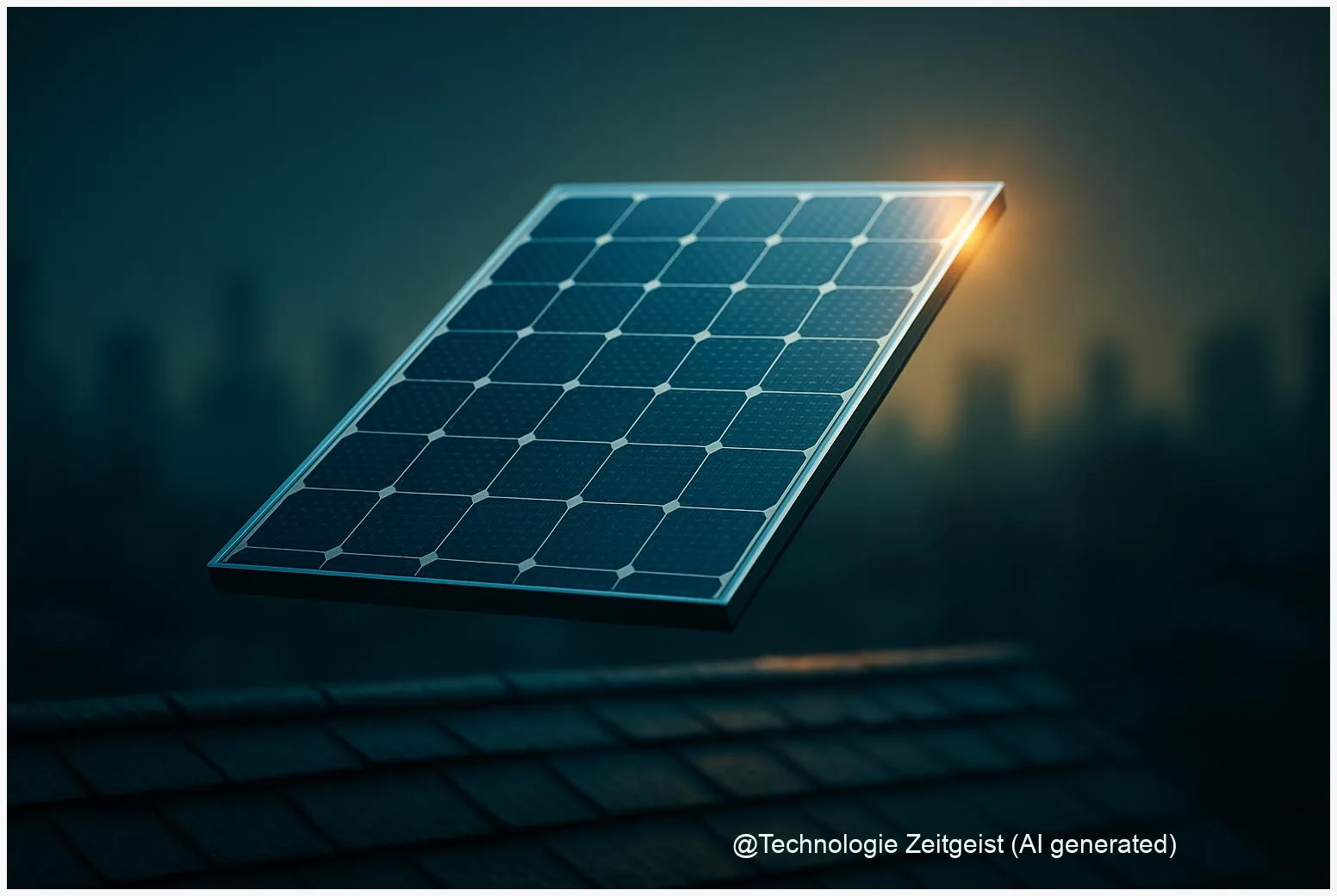
Lightweight 520W solar panels increase power per m², reducing panel counts and roof penetrations for many rooftop projects. Consider module area (≈1.9–2.3 m²), weight (varies by construction) and real-world performance (NOCT/PTC vs STC).
How 520W modules fit on roofs
Typical footprints are about 1.9–2.3 m²; power density ~225–275 W/m². Compare kg/module and kg/m²; check temperature coefficient and NOCT values.
Everyday installation scenarios
Example: a 5 kW domestic system can be met with ≈10×520W modules. A 50 kW commercial array requires roughly 96 modules (~200 m²). Lightweight modules can reduce dead load and the need for structural reinforcement; heavier glass-glass modules require more careful handling.
Opportunities and risks
Benefits: higher power density, fewer penetrations, lighter options for older roofs. Risks: ensure structural safety (dead and live loads), verify fire classification, real-world performance, warranty terms and certification status (IEC standards).
Conclusion
520W lightweight panels change practical trade-offs by increasing watts per panel and lowering weight. Still, always verify datasheets, kg/m², certifications and request static calculations where required to ensure safe, durable rooftop PV installations.



Leave a Reply