
Insights
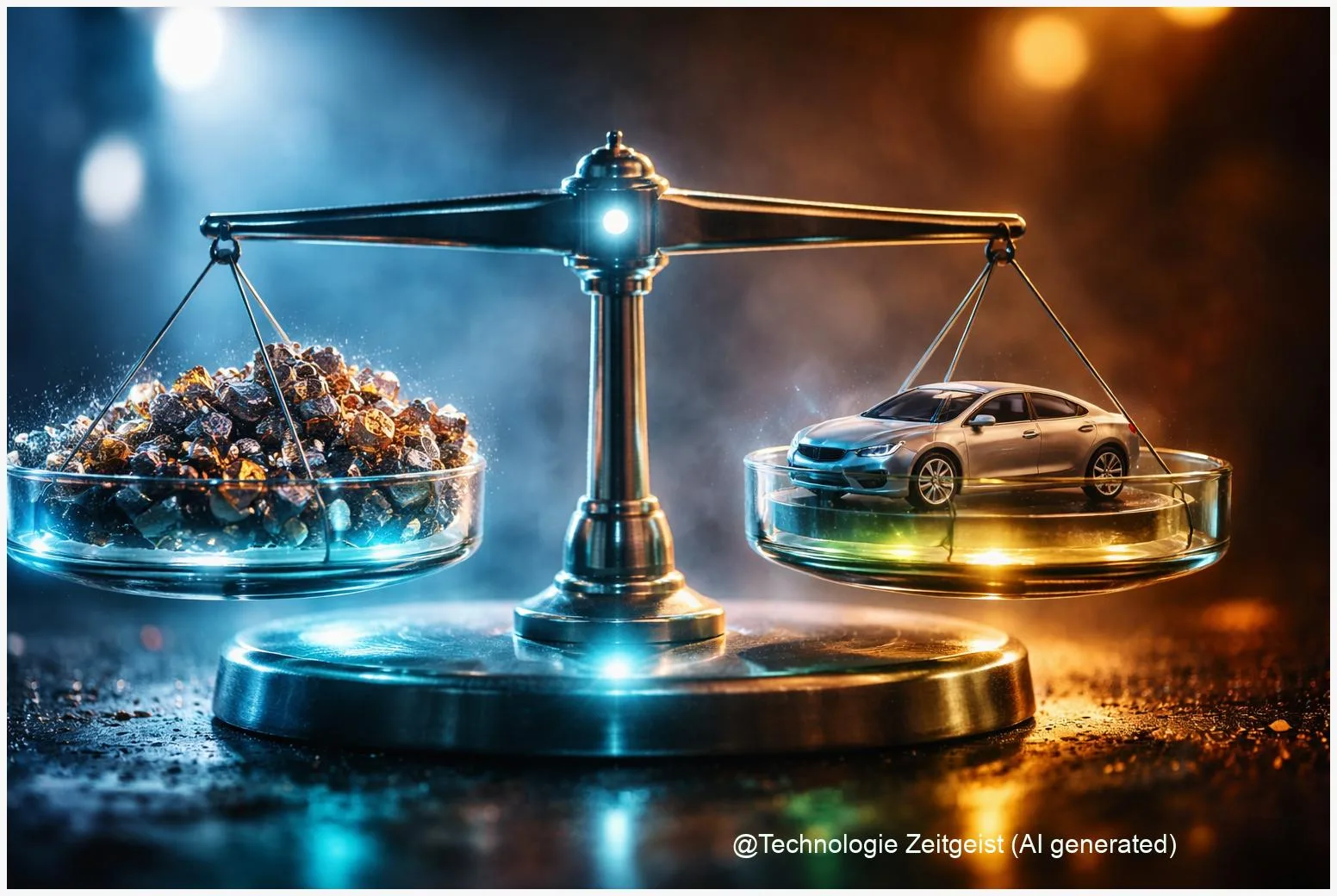
The EU–Mercosur trade deal could reshape how Europe accesses raw materials and cars from South America. This short update shows where the agreement stands, how it might affect EV and battery supply chains, and why any change in prices for European drivers is likely to arrive slowly rather than immediately.
Key Facts
- The EU Council authorised signature of the agreement on 9 January 2026, while Mercosur announced a signing date of 17 January 2026.
- Mercosur countries are notable suppliers of critical raw materials such as lithium, but most refining and cell production currently occur outside South America.
- Any downward pressure on European EV or battery prices from the deal is likely to be gradual and depends on investment, processing capacity and final ratification.
Introduction
Who: EU institutions and the Mercosur bloc. What: a comprehensive trade agreement with provisional signature steps. When: Council authorization came on 9 January 2026 and Mercosur announced signing for 17 January 2026. Why it matters: the deal opens trade and investment channels that could change how Europe secures batteries and EV parts.
What is new
EU ministers authorised the signature of the EU–Mercosur trade deal in early January 2026, a formal step that allows officials to sign the agreement. The text foresees phased tariff reductions across many goods, and an interim application of some trade chapters is planned while full ratification is pending. The bloc-to-bloc deal covers cars, parts and raw materials; Mercosur nations are known suppliers of lithium and other minerals. However, signature is not the same as full legal effect — the European Parliament and national parliaments in Mercosur states must still ratify the final treaty.
What it means
The agreement opens two channels that matter for EVs: easier market access for cars and improved raw-material routes. For batteries, the key point is supply chains. Mercosur can supply more lithium, but battery production needs refined chemicals, cathodes, anodes and cell factories. Today much of that refining and cell assembly happens in Asia. So the EU–Mercosur trade deal may lower costs for upstream inputs over time, but cheaper, finished batteries or lower EV retail prices in Europe require new investments in processing and long-term offtake contracts.
What comes next
Next steps are mainly procedural and strategic. Lawmakers must ratify the deal before it fully applies; until then some chapters may be provisionally applied. Industry actors will watch tariff timetables for vehicles and parts and assess whether to shift procurement or invest in local refining. For meaningful effects on EV prices in Europe, expect months to years: companies need to negotiate offtake contracts, build refineries or cell plants, and manage quality and sustainability checks.
Conclusion
The EU–Mercosur trade deal opens important trade and raw-material channels that could support Europe’s battery industry. However, immediate relief in EV or battery prices for consumers is unlikely without follow-up investments in refining and cell production and without completed ratification.
Join the conversation: share this article or leave a comment on how supply chains should adapt.

Leave a Reply