
Insights
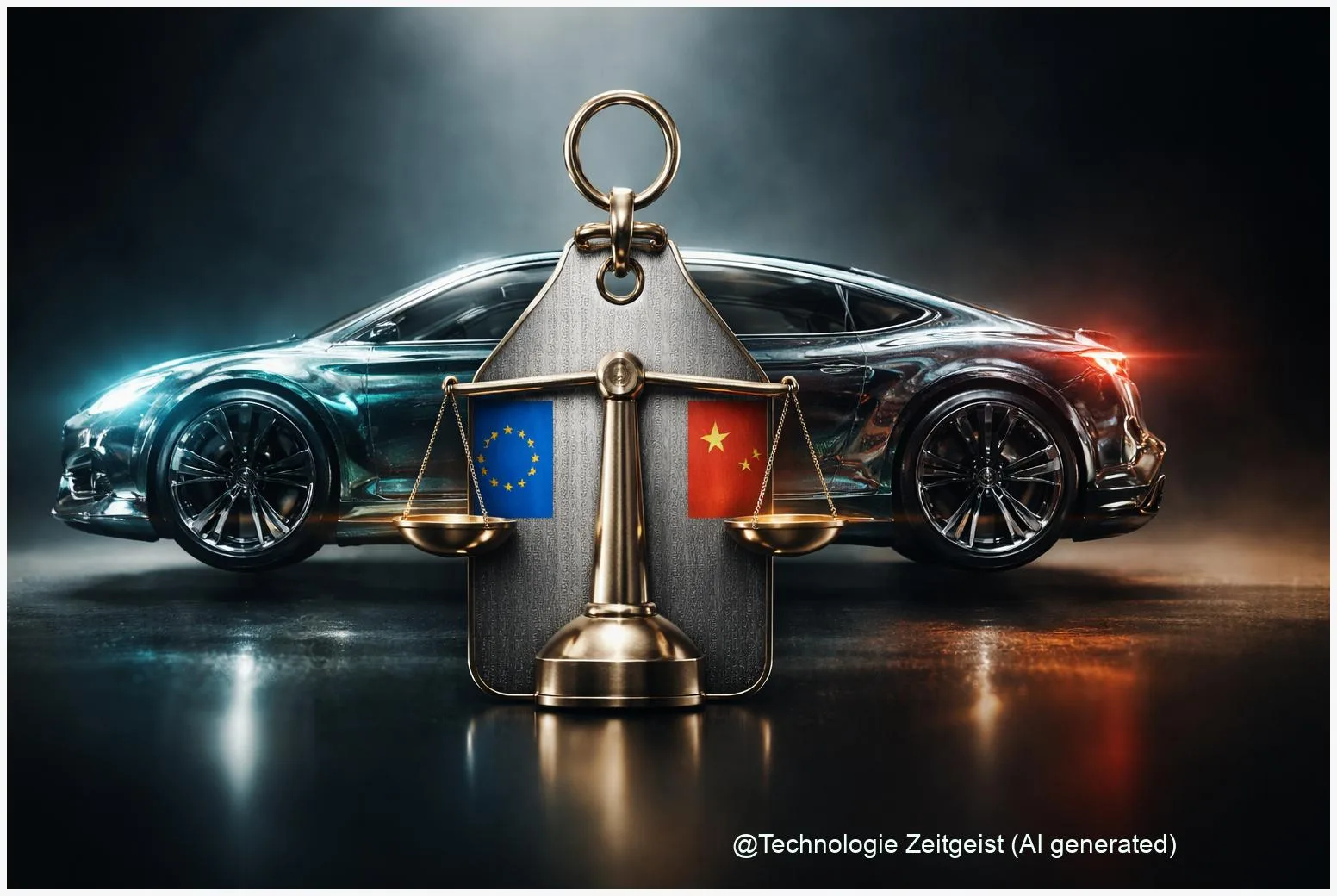
EU–China EV talks have opened a new path: exporters can offer model-specific minimum import prices instead of automatic tariffs. The European Commission published guidance on 12 January 2026 that frames how those undertakings would work and how customs would need to check them. This could change who pays for import levies and how fast consumer prices respond.
Key Facts
- The EU guidance (12 January 2026) allows model‑specific price undertakings as an alternative to tariffs.
- Price undertakings set a minimum import price and shift enforcement from collecting duties to verifying invoices and shipments.
- If accepted, undertakings can stop tariffs from being charged, which may keep importer or exporter margins higher while consumer prices could stay stable.
Introduction
The European Commission on 12 January 2026 published guidance that lets exporters propose model and configuration specific minimum import prices as an alternative to anti‑subsidy duties. The change follows months of talks and aims to avoid blunt tariffs while still limiting subsidised under‑pricing. For drivers and buyers, the key question is whether these deals will lower retail EV prices in Europe.
What is new
The new EU guidance allows Chinese and other foreign electric‑vehicle exporters to submit price undertakings — also called minimum import prices — for each model or configuration. There are two accepted approaches: a CIF‑based method that starts from past invoice prices and adds the previous duty margin, or a comparator method that uses the price of a similar unsubsidised EU model. If a submitted undertaking is accepted, customs would stop applying the duty for that exporter, but they would instead check each shipment against the agreed floor price.
This is not an automatic repeal of tariffs. The EU keeps trade‑defence instruments as a backstop, and acceptance of undertakings depends on documentary evidence and an enforcement plan from the exporter. The guidance was published on 12 January 2026 and marks a move from simple tariff collection toward transaction‑level price verification.
What it means
For consumers, the immediate effect may be limited. Anti‑subsidy duties imposed earlier reached substantial levels in past investigations, so moving to undertakings can keep headline retail prices similar while changing who receives the extra money. For example, if a car price is €30,000 and duties add 30 % (€9,000), a tariff makes that amount payable to the EU treasury. Under an accepted minimum price, the exporter could retain that margin instead of the duty being collected.
For industry and customs, the shift raises enforcement challenges. Instead of a single customs charge, authorities must verify invoice values, match shipments to model‑specific floors, and audit for hidden discounts or cross‑channel compensation. That requires more IT, more document checks and targeted audits. Smaller dealers and importers may face higher administrative overheads while large exporters must prove compliance with audited invoices.
What comes next
The next steps are procedural. Exporters that want tariff relief must submit undertakings with supporting invoices, a monitoring plan and declarations on sales channels. National customs authorities will need to integrate accepted floors into their declaration checks and set up post‑import audits. Expect a phased process as systems and sample‑based audits are built.
Open questions remain: how strict will enforcement be, how easily can exporters use discounts or bundling to undercut agreed floors, and whether the EU will accept a large number of undertakings or keep some tariffs in place. If enforcement is weak, consumers could see lower prices; if enforcement is strong, the change mainly shifts revenue from tariffs to exporter margins.
Conclusion
The EU–China EV talks have produced a mechanism that could avoid blunt tariffs while keeping market access open under agreed price floors. Whether shoppers see lower EV prices depends mainly on enforcement: rigorous checks keep prices steady but shift revenue, while weak checks could allow exporters to undercut floors and lower retail prices.
If you found this useful, share your view below and share this article with others interested in electric mobility.

Leave a Reply