
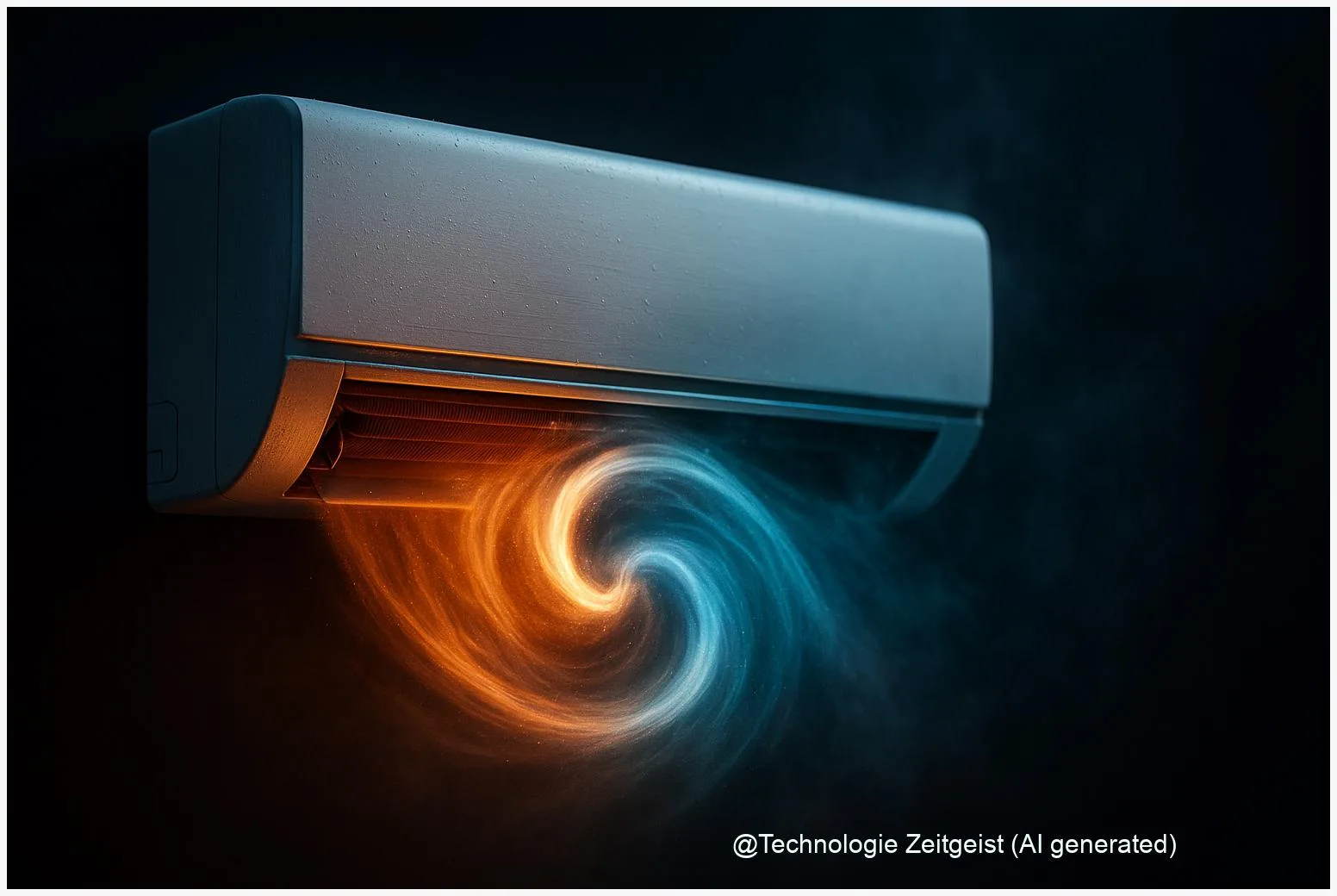
Ductless heat pump systems have become a practical way to heat and cool individual rooms without running ducts. They let you control temperatures per room, lower running costs compared with electric resistance heating, and avoid the heat losses that come with ductwork. For many households and small buildings, multi‑zone ductless systems reduce wasted energy and improve comfort—while requiring careful sizing and professional installation to deliver the expected savings.
Introduction
Are you paying to heat or cool rooms that are rarely used? Ductless systems put heating and cooling where people actually are: in the living room, a bedroom, or a home office. They are compact air‑source heat pumps with indoor units mounted on walls or ceilings and one outdoor compressor. Multi‑zone configurations let a single outdoor unit serve several indoor units with independent controls for each room.
That combination of zoned control and high equipment efficiency explains the surge in adoption across Europe and North America since the late 2010s. This article explains the technology and everyday examples, shows typical efficiency and cost trade‑offs, highlights risks to watch for, and points to the practical choices that matter when you consider replacing old electric heaters or patching an inefficient central system.
How ductless heat pumps work
A ductless heat pump is an air‑source heat pump that moves heat between inside and outside using refrigerant, a compressor and a set of indoor units. Each indoor unit has a fan and a heat‑exchanging coil and is controlled independently. Many manufacturers support multi‑zone setups in which one outdoor unit powers two to four (or sometimes more) indoor units through separate refrigerant lines. This design avoids ductwork and the losses associated with it.
Why does avoiding ducts matter? Central forced‑air systems lose heat in their ductwork — the U.S. Department of Energy notes that duct losses can exceed 30 % in poorly sealed or long duct runs. Those losses disappear with ductless units because air is not moved through a central network. The heat pump itself can deliver several units of heat for each unit of electricity consumed (the physics of a heat pump), so a modern ductless system typically uses far less energy than electric radiators for the same delivered warmth.
Key terms to know: COP (coefficient of performance) expresses how many units of heat the system moves per unit of electric energy at a given outside temperature; SEER and HSPF are seasonal efficiency metrics used for cooling and heating respectively. In practice, modern inverter‑driven ductless models adjust compressor speed continuously, which improves part‑load efficiency (the most common operating mode in homes).
Ductless multi‑zone systems combine localized control with the efficiency of air‑source heat pumps; the result is comfort where you want it and lower energy use if the system is sized and installed correctly.
Because performance depends on climate and usage patterns, efficiency ratings measured in the lab (COP, SEER, HSPF) give an indication but the real annual savings depend on how the system is used and whether unheated rooms remain off. In cold climates, choose models rated for low‑temperature operation; many cold‑climate heat pumps are certified with additional tests showing sustained capacity at low ambient temperatures.
Everyday use and installation examples
Think of a typical two‑storey house with bedrooms upstairs and a living area downstairs. A single central system might run to keep the whole house at one temperature even when only the downstairs is occupied. A multi‑zone ductless approach typically places one indoor unit in the living room, one or two in bedrooms and perhaps one in a kitchen or office. Each unit runs independently, so you can keep most zones at a lower setpoint while quickly heating the room you use.
Real installation examples show practical benefits. In retrofit jobs where houses lack ducts, ductless systems let owners add efficient heating without tearing ceilings or walls. For businesses like small shops or cafés, a multi‑zone system lets staff manage comfort for customers in the front room while keeping storage areas at a lower temperature. Fleet depots and workshops often pair heat pumps with building upgrades and local storage; for context on building‑scale energy choices, TechZeitGeist has recent coverage of depot‑scale battery systems.
On the ground, pay attention to three installation details: correct sizing, indoor unit placement, and condensate/drain routing. Oversized indoor units short‑cycle and lose efficiency; an installer should perform a Manual J heat loss/heat gain calculation to size each zone correctly. Indoor units work best where the airflow can distribute heat across the occupied area—placing a unit behind furniture or in a narrow corridor reduces effectiveness.
Cost examples vary widely by market and scale. Installed costs for multi‑zone ductless systems are typically higher than a single portable heater but lower than installing full ductwork. Operation costs are usually lower than electric resistance heating and can be competitive with gas or central systems once performance in the local climate and the price of electricity are taken into account. Also check for available incentives and rebates in your country or region that reduce upfront cost.
Opportunities, risks and tensions
Opportunities are clear: targeted comfort, reduced duct losses, and flexible installation in retrofits or additions. For households moving away from fossil‑fuel heating, ductless heat pumps provide an electrical path to lower carbon heating—especially if the electricity mix is decarbonising.
Risks and tensions stem from a few recurring issues. First, initial cost and poor installation can erode the benefits. A poorly sized or badly commissioned system uses more energy and causes complaints about draft or noise. Second, many of the efficiency numbers quoted in marketing compare the best case (center‑of‑glass or lab test values) with older baselines; those comparisons can be misleading unless you confirm the real installed performance.
Third, very cold climates challenge some air‑source models, although modern cold‑climate designs have improved low‑temperature capacity. Hybrid systems—heat pump plus a supplemental heater—remain a pragmatic option in areas with prolonged extreme cold. Fourth, aesthetics and indoor‑unit placement matter in living spaces; homeowners sometimes reject visible wall units or seek ceiling‑cassette variants that are less obtrusive.
Finally, smart controls and user behaviour influence returns. Zoning only saves energy if people actually reduce temperatures in unused zones. Some systems add occupancy sensors or integrate with home automation to limit run‑time in empty rooms, which improves savings and reduces simple user error.
What to expect next
Expect incremental improvements rather than a single breakthrough. Manufacturers are refining inverter compressors, cold‑climate refrigerant cycles and quieter indoor fans. Integration with home energy systems—solar, batteries and smart tariffs—will increase, enabling owners to run heat pumps when renewable generation or low‑cost electricity is available.
Market forces will push down prices as volume grows and as installers gain experience. Certification programs and standards (for example ENERGY STAR or regional labelling schemes) make it easier to compare models by consistent metrics. Energy policy and incentives will also remain important: grants and tax credits shorten payback times and help households cross the initial cost barrier.
For building owners, the pragmatic move is to define a clear energy and comfort target, then choose a multi‑zone approach that meets that target. In many renovations, a hybrid solution—ductless units for core living spaces plus an improved central distribution for whole‑house needs—makes economic sense. Document performance after installation using simple metering or a short monitoring period so you can verify savings against expectations.
Conclusion
Ductless heat pumps make multi‑zone heating attractive because they reduce duct losses and allow independent temperature control by room. When properly sized, installed and commissioned they often cut heating costs compared with electric resistance systems and increase comfort compared with poorly balanced central systems. The important checks are straightforward: confirm low‑temperature ratings for your climate, insist on a Manual J sizing and quality commissioning, and compare whole‑system performance rather than headline center‑of‑glass numbers. With these precautions, multi‑zone ductless heating is a robust option for many homes and small commercial spaces.
We welcome questions and experience reports from readers who installed multi‑zone systems—share practical tips and outcomes below.




Leave a Reply