
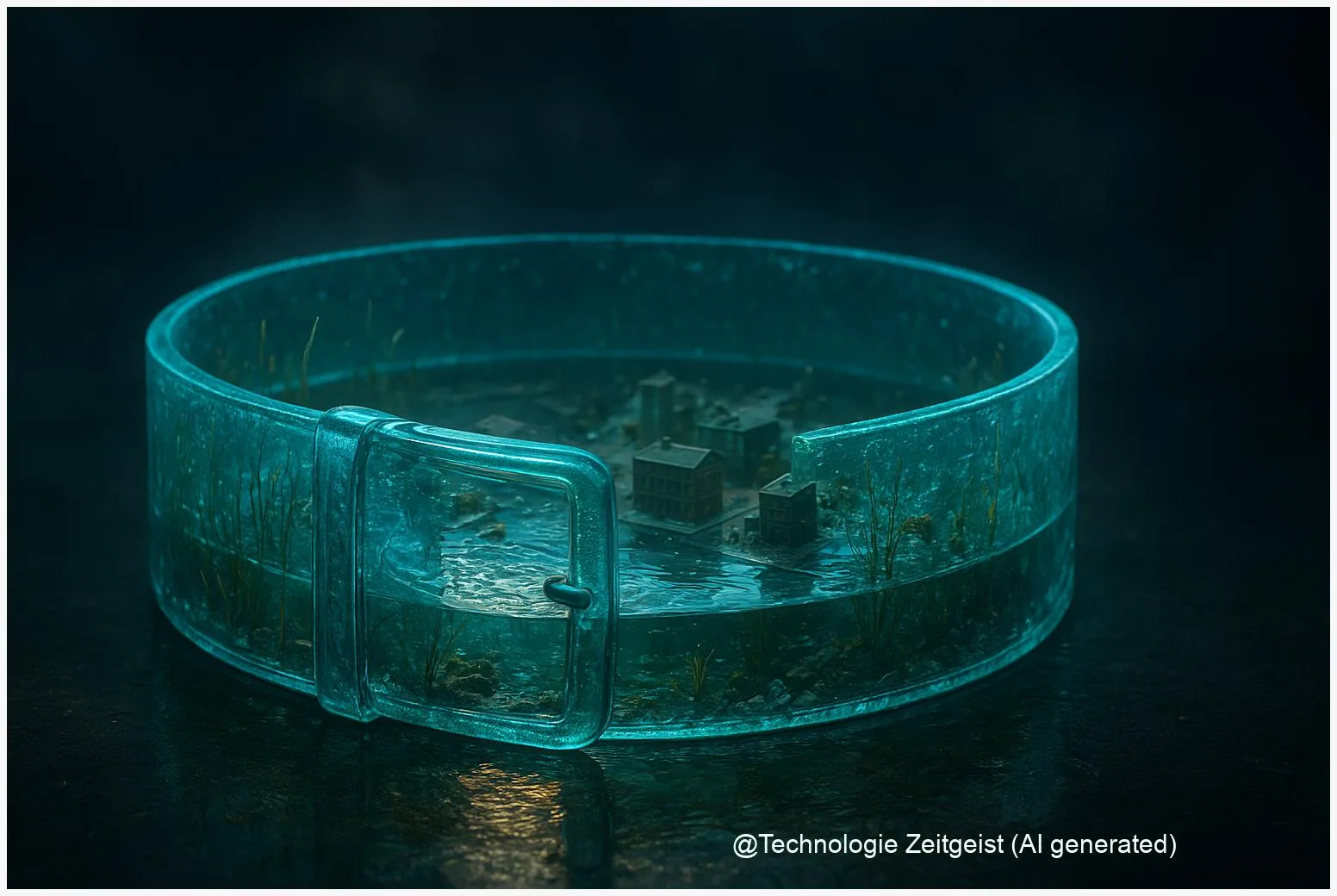
Bluebelts are a form of “living drainage” that use ponds, streams and wetlands to hold and slow stormwater before it hits streets and basements. The main benefit is lower peak flows during heavy rain, reducing local flooding and easing pressure on sewer pipes.
Introduction
Heavy rain in cities often overwhelms pipes built for older storms. Bluebelts keep water on the surface long enough for it to slow, spread and sink into vegetated basins.
How Bluebelts work
They use wetlands, detention ponds and small hydraulic controls to store runoff, settle sediments and slow peak flows.
Everyday examples and local results
Staten Island projects show reduced local flooding where systems are well maintained; modeling and monitoring support planning decisions.
Opportunities and trade-offs
Benefits include lower costs than full sewer replacement and habitat creation. Trade-offs include land needs and ongoing maintenance.
Where the approach can go next
Systematic monitoring, updated design for climate change, and maintenance funding improve outcomes.
Conclusion
Bluebelts can reduce flood peaks and improve water quality when well designed and maintained. Combine modelling and monitoring for durable results.



Leave a Reply