
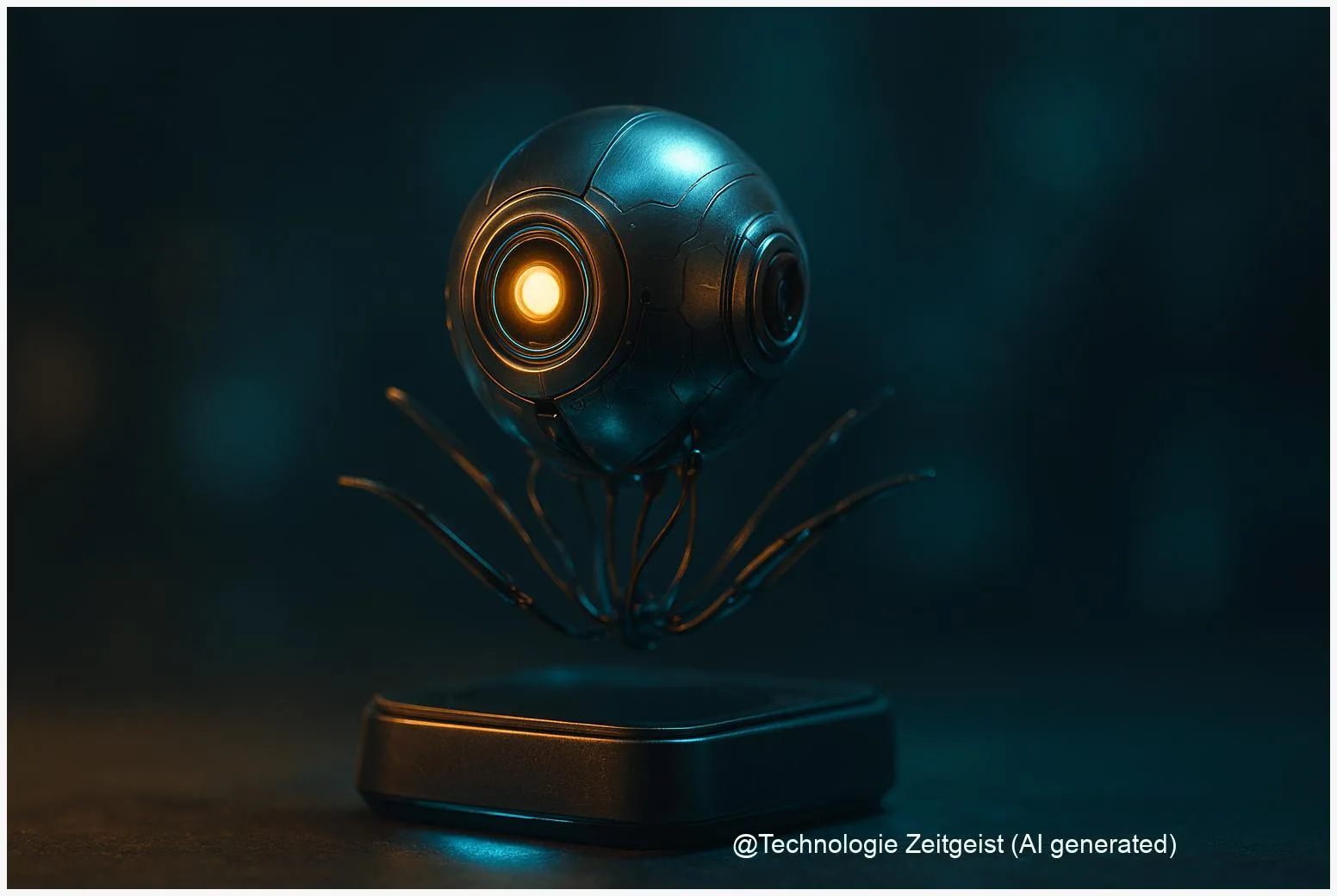
As affordable sensors and smaller language models meet improved battery and motor designs, AI companion robots are moving from novelty into everyday usefulness. In 2026, more consumer and care‑oriented models can hold short conversations, follow simple routines, and run privacy‑friendly features locally on the device. That combination promises clearer benefits for daily life—social interaction, reminders, simple monitoring—and makes purchasing and trial projects more practical for households and institutions alike.
Introduction
Public interest in robot pets and social machines is nothing new, but two developments in recent years have changed the equation: smaller, cheaper neural compute hardware plus compact AI models that can run without constant cloud access. These advances lower costs and make everyday features faster and more private. At the same time, manufacturers and startups have shifted business models toward subscription services, longer‑term software support and clearly defined pilot programs, which reduce risk for first buyers.
The combination matters because many companion features are inexpensive to run but depend on being present and reliable. A quick voice reply, an on‑device mood detection for a pet robot, or local transcription for a family conversation feel markedly different if they lag or send every recording to an external server. This article examines the technical basics, everyday applications, trade‑offs and likely developments through 2028—so readers can judge whether 2026 is indeed a tipping point for AI companion robots.
AI companion robots: how they work and what changed
The phrase “AI companion robots” covers a range of products from small, animal‑like devices that respond to touch and voice to tabletop helpers and more human‑shaped assistants. Technically, two categories matter most: the perception and interaction layer (microphones, cameras, touch sensors and motors) and the intelligence layer (models that process speech, manage simple conversations and handle routines).
A key technical term is on‑device inference: that means running a trained AI model locally to produce outputs (speech recognition, simple replies, or emotion cues) instead of sending raw audio or video to a remote server. On‑device models are often smaller or quantised—reduced in numerical precision to fit memory and compute budgets—so they trade some depth for speed, lower energy use and improved privacy.
The shift in 2026 is not one single breakthrough but the intersection of smaller models, better NPUs and clearer update pathways.
Three practical trends have converged recently: cheaper neural processing units and efficient system chips, model compression techniques that keep useful capability inside a few hundred megabytes or a couple of gigabytes, and software platforms that let manufacturers deliver model updates safely. Those changes make reliable local features possible for more products—and lower the minimum price point for a functioning companion robot.
For orientation, the table below compares three practical device attributes readers will see in product pages and reviews.
| Feature | What it affects | Typical 2026 range |
|---|---|---|
| On‑device model size | How complex the conversation or recognition can be | Hundreds MB to a few GB (quantised) |
| Local compute (NPUs) | How fast inference runs and how long it draws battery | Mid‑range client NPUs, optimized for short bursts |
Those ranges explain why some companion robots can give near‑instant responses and simple, private summaries, while others still rely on the cloud for richer dialogue. The practical implication: cheaper hardware plus compact models lets more vendors ship compelling basic companions in 2026; higher‑end conversational skills remain cloud‑centric for now.
Everyday uses: what these robots can do for daily life
In daily life, companion robots aim to deliver three types of value: social presence, lightweight assistance, and low‑effort monitoring. Social presence means the robot reduces feelings of solitude by reacting to speech and touch and by offering simple conversation prompts. Assistance covers reminders (medication, appointments), short translations, and quick local searches across files or calendars. Monitoring includes fall alerts or unusual sound detection, where local processing can keep sensitive data on the device.
Concrete examples already realistic in 2026 include:
- Short, local conversations and mood cues: robots respond to a few rounds of dialogue and express “attention” through sounds and gestures without sending the whole session to the cloud.
- Privacy‑first note‑taking and transcription: short meeting notes or voice memos transcribed on the device and optionally uploaded later.
- Interactive pet behaviour: autonomous play, tactile response and simple learning that adapts to a household’s routine.
Several real products and pilots demonstrate these use cases. For example, high‑end pet robots such as LOVOT focus on emotional engagement and have been studied in care settings for positive psychosocial effects; other consumer devices centre on reminders and soft interactions. These offerings differ in price and promise: premium models prioritise expressive hardware and polished motion; lower‑cost entrants aim for core conversation and reminders plus a subscription for cloud features.
When you evaluate devices, three practical indicators matter: what runs locally, how the device updates its models, and whether core features work offline. If a device keeps wake words and basic replies local but relies on the cloud for detailed comprehension, treat that combination as hybrid—fast and private for simple tasks, cloud‑enhanced for depth.
For deeper technical context on local AI in consumer devices, see our coverage of on‑device AI in PCs and robotics pilots—useful background when comparing companion robots and their software approaches.
AI PCs at CES: What on‑device AI changes in 2026 — explanatory piece on local models and device trade‑offs.
Promises and tensions: benefits, limits and safety
Benefits are straightforward: lower latency, reduced cloud costs, and stronger privacy guarantees when useful processing happens locally. For families and care institutions, that can mean more trust in the device and fewer regulatory hurdles for basic monitoring features. Several small clinical and ethnographic studies suggest companion robots can improve mood and engagement among older adults, although the evidence base remains limited and largely qualitative.
At the same time, important tensions require attention. First, a machine that appears social will be treated as social by people, so ethical product design and transparent capabilities are essential. Second, manufacturers supply many software stacks and proprietary models; that risks fragmentation of behaviour and safety standards across devices. Third, hardware economics matter: premium expressive robots remain costly to make, which limits broad adoption without subscription or RaaS models to spread expenses.
Safety and data governance are concrete concerns. Buyers should check whether devices provide clear settings to disable cloud features, how long raw audio is stored, and how vendors manage model updates and revocations. Platforms must offer secure update channels so a buggy or biased model can be patched without exposing users to risk.
Finally, the research picture is mixed. Studies from 2023–2025 show promising social effects for small groups, but randomized, long‑term trials are still rare. That means early claims about cognitive or clinical benefits should be read cautiously; companion robots can augment care and social contact, but they are not a substitute for human attention where that is needed most.
Where adoption could go in the next two years
Three plausible paths may unfold through 2028. In a conservative path, companion robots stay a premium niche for households that value novelty and expressive hardware. In a pragmatic growth path, cheaper hardware, tighter on‑device AI and clearer subscription models push companion robots into broader care, education and hospitality trials. In an accelerated path, strong cross‑vendor standards for updates and safety plus lower component costs make basic companions common in multihousehold living and small‑institution pilots.
What matters for a buyer in 2026 is how a device fits your priorities. If privacy and offline capability are important, check the product’s local processing claims and update policy. If expressive motion and pet‑like behaviour matter, prioritize units with high‑quality actuators and independent lab or user reviews. If cost and maintenance are key, examine total cost of ownership: hardware price, subscription fees and expected update cadence.
Factory robotics and humanoid pilots offer a parallel example of how form factor and use case shape adoption. Where a humanlike body unlocks a task—say, handling a variety of irregular parts—pilot projects often start in logistics or R&D lines before broader rollout. For a look at those industrial pilots and their lessons about integration and KPIs, see our article on humanoid robots in factories.
Humanoid Robots: The real reason factories want them now — a closer look at pilots, KPIs and workforce implications.
Conclusion
By 2026 the pieces are finally aligning: compact models, better on‑device compute and clearer commercial models make AI companion robots more practical than in prior cycles. The strongest, most reliable gains will be fast responses, basic conversational ability and improved privacy for routine tasks. More complex dialogue and deeply contextual reasoning will likely remain cloud‑assisted for some time.
For consumers and institutions considering trials, the pragmatic questions are simple: which features run locally, how are updates delivered, and what measurable KPIs (uptime, accuracy, and maintenance) will the vendor provide? Those answers, not marketing claims, decide whether any given product becomes a helpful presence in daily life.
Share your experience: if you’ve tried a robot pet or companion device, tell us what worked and what felt awkward—it helps others make better choices.

Leave a Reply